Best Pet Water Fountain for Cats with Filters: Stop Cats From Drinking Stale Water
Disclosure: This post may contain affiliate links. We may earn a commission on qualifying purchases at no extra cost to you.
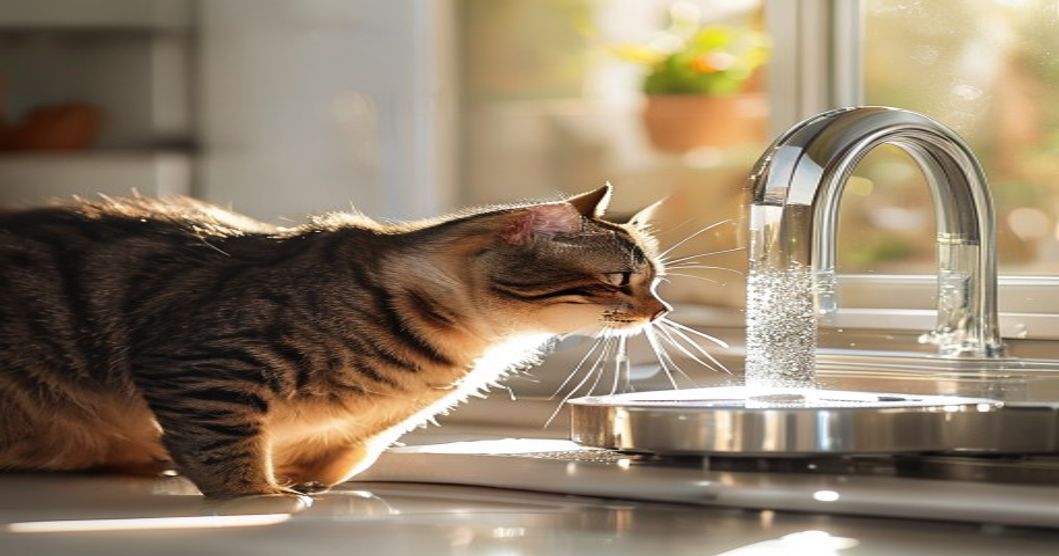
Your cat sits by the toilet bowl again. Or walks past their water dish to drink from the sink. Sound familiar? It’s not stubbornness—cats have strong instincts about water. They crave movement, freshness, and circulation. A stagnant bowl looks suspect to them, even if you filled it this morning.
Top Picks for Cat Water Fountains with Filters
Best Overall
If you have multiple cats or one that doesn’t drink enough, a stainless steel fountain with a tiered design gives water multiple circulation points and feels way less clinical than plastic. Stainless keeps water at a decent temperature, won’t scratch or stain, and survives extended daily use without falling apart. Best if durability and aesthetics matter to you.
Best Value
Small enough to fit on a shelf or bathroom counter, runs quietly, and takes up almost no visual real estate. Ceramic is gentler on cat whiskers—less splashing, less sensitivity. Holds about 30-50 ounces, which is fine for a single cat. The trade-off? Ceramic cracks if you drop it, and you’ll refill more often than with larger models.
Best for Water Quality
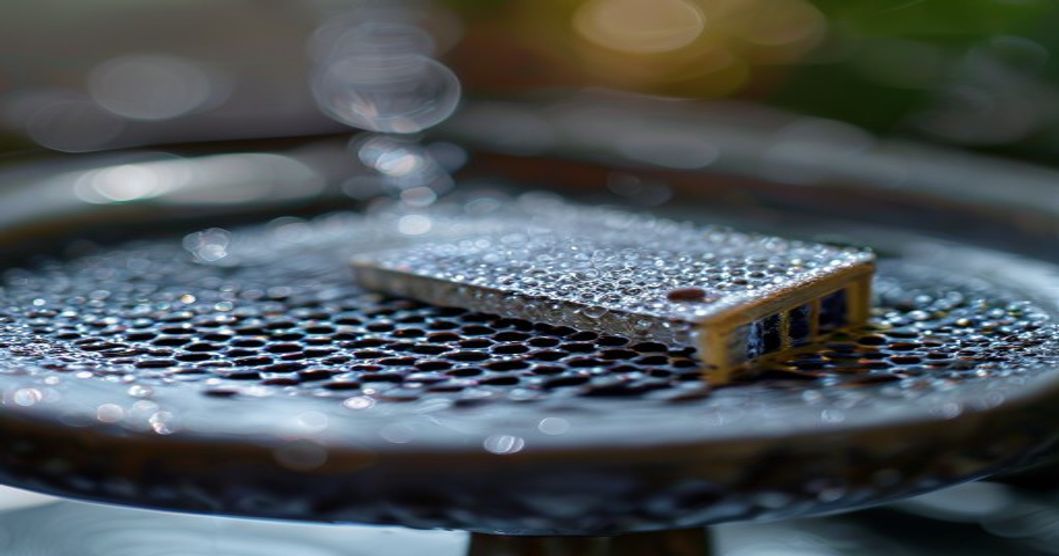
These prioritize filtration over looks. They usually have multiple filter cartridges—mesh pre-filter plus activated carbon—and cycle water faster than other models. Get one of these if your tap water is hard, heavily chlorinated, or your cat is picky about water taste or smell. You’ll change filters more often, but you’re genuinely improving water freshness.
Understanding What Makes a Fountain Worth Using
Before you pick a model, let’s be honest about what you’re actually solving. The number one reason cats ignore fountains: they’re filthy. A fountain sitting with the same water for days, grime building up in the pump, and a filter that hasn’t been changed in months isn’t better than a bowl. It’s worse because you spent money on something your cat avoids.
Real pet parents report three main failure points:
- Mineral buildup clogs the pump. Hard water leaves deposits that slow or block the motor. What started as inviting flowing water becomes a pathetic trickle your cat ignores.
- You forget about the filter. You buy a fountain, feel reassured the filter will handle everything, then completely forget it exists. A clogged filter isn’t filtering anything.
- Noise or splashing spooks your cat. Some fountains pump water aggressively, creating sound and splash that makes skittish cats stay away entirely.
These aren’t design flaws in quality fountains—they’re just maintenance realities. Most fountain owners hit at least one of these problems at some point.
Comparison: Key Features That Actually Matter
| Feature | Why It Matters | What to Look For |
|---|---|---|
| Material | Durability, how easy it is to clean, whether water stays cool | Stainless steel outlasts ceramic, which beats plastic. Plastic is cheapest but stains easily and holds odors like nobody’s business. |
| Capacity | How often you refill. Bigger means less frequent top-ups and more water surface area to cool. | Single cat: aim for 40-60 oz. Multiple cats: 80 oz or more. If you travel, bigger capacity genuinely helps. |
| Filter Type & Lifespan | Removes chlorine, odors, sediment. Multi-stage filters outperform single-layer ones every time. | Look for activated carbon plus mesh pre-filter. Check that replacement filters aren’t expensive or impossible to find. |
| Noise Level | Loud fountains scare off noise-sensitive cats. Quiet ones encourage use and won’t annoy you at night. | Search reviews mentioning quiet operation. Be wary of fountains praised only for “powerful” flow without any noise mention. |
| Cleaning Ease | Complicated disassembly means you’ll skip cleaning. Skipped cleaning means your cat stops using it. | Fewer parts win. Dishwasher-safe pieces save time. Pump should pop out without a struggle. |
Pros and Cons of Owning a Filtered Water Fountain
- Gets cats to drink more water (huge for cats with kidney issues or those that just don’t drink enough naturally)
- Filter strips out chlorine and odors that make tap water taste bad to cats
- Moving water stays fresh longer than water sitting in a bowl
- Regular filter changes can prevent mineral buildup
- Many cats find running water more interesting, so they stop pestering you at the sink
- Looks neater than bowls scattered all over the place
- Needs regular weekly cleaning and filter changes every 2-4 weeks (not a set-and-forget device)
- Replacement filters cost money over time
- Some noise-sensitive cats get spooked by pump noise
- Mineral deposits build up in pumps in hard water areas if you skip maintenance
- Takes up counter or floor space and needs an outlet nearby
- Can splash all over if your cat paws at it or the flow is set too high
- Not all cats will use them—some genuinely prefer a regular bowl
Filter Maintenance: The Real Deal
Here’s what fountain owners wish they’d known upfront: the filter isn’t optional, and it needs a real maintenance schedule.
Most activated carbon filters stop working effectively after about 2-4 weeks. In soft-water areas with decent municipal water, you might stretch it to a month. In hard-water regions—especially if you see white chalky stuff building up on the pump—swap it out every 10-14 days or whenever you see visible buildup. A clogged filter isn’t filtering anything.
Set a phone reminder when you install a new filter. Many owners buy a bunch of replacement filters upfront and keep them where they’re easy to grab. Nothing kills fountain use faster than realizing you’re out of filters when it’s cleaning day.
Between filter changes, rinse the bowl and wipe the pump intake every couple days. This quick step prevents biofilm and mineral gunk from piling up. Stay consistent with maintenance, and your cat will actually use the thing.
Who It’s For (and Who It’s Not)
This Fountain Is Right For You If:
- Your cat has had urinary tract infections or kidney problems and needs to drink more
- You have multiple cats and want to encourage drinking across the household
- Your tap water is heavily chlorinated or you’ve noticed your cat avoiding it
- You have counter or floor space and don’t mind a fountain sitting out
- You’re actually organized about maintenance and willing to clean and change filters regularly
- You have a power outlet near where your cat likes to drink
This Fountain Might Not Be For You If:
- Your cat has always liked still water in bowls and couldn’t care less about moving water
- You barely have counter space or you want a minimal aesthetic without electronics
- You travel a lot and won’t keep up with consistent filter changes and cleaning
- You have a very young cat that might use the fountain as a toy and splash everywhere
- You’re in a rental and don’t want to clutter the space with another appliance
- Your budget is tight (fountain plus ongoing filter costs add up)
- You live in a genuinely small space and can’t spare the square footage
Related Resources for Cat Care
A water fountain is just one piece of your cat’s overall hydration and health. If your cat’s dealing with dental issues on top of low water intake, check out enzymatic dog toothpaste for tartar removal—many cats benefit from good oral care as well. And if your cat spends time outdoors or near water, understanding waterproof gear like collars keeps them safe. For older cats that drink but also need comfort, orthopedic dog beds support their joints while they rest near their water source.
The Bottom Line on Cat Water Fountains with Filters
A filtered cat water fountain works because it taps into what cats naturally want: fresh, moving water. The filter is the bonus—it removes chlorine and odors that discourage drinking. But the fountain only succeeds if you actually maintain it: regular weekly cleaning, filter changes every 2-4 weeks, and keeping the pump clear of debris.
If your cat struggles with hydration, has a history of urinary issues, or you want to encourage better drinking habits, a stainless steel or ceramic fountain with a solid filter system is worth the investment for their long-term health. Just go in with realistic expectations: this isn’t a set-it-and-forget-it device. It’s a tool that works when you’re consistent with maintenance.
Go with stainless steel if you have multiple cats or want something that lasts. Pick ceramic if you’re tight on space and have just one cat. Either way, commit to the maintenance routine—that’s what separates a fountain your cat actually uses from an unused counter decoration. The filter system genuinely improves water quality and appeal.
Ready to upgrade your cat’s water setup? Search for cat water fountains on major retailers like Amazon to compare current models, pricing, and real customer reviews. Look for fountains where replacement filters are easy to find and reasonably priced.
Disclosure
This article contains affiliate links. As an Amazon Associate I earn from qualifying purchases. We recommend products based on quality, reliability, and real owner experience. Your purchase through an affiliate link supports our work at no extra cost to you.