Best Enzymatic Dog Toothpaste for Tartar Removal: What Actually Works (and What to Skip)
Disclosure: This post may contain affiliate links. We may earn a commission on qualifying purchases at no extra cost to you.
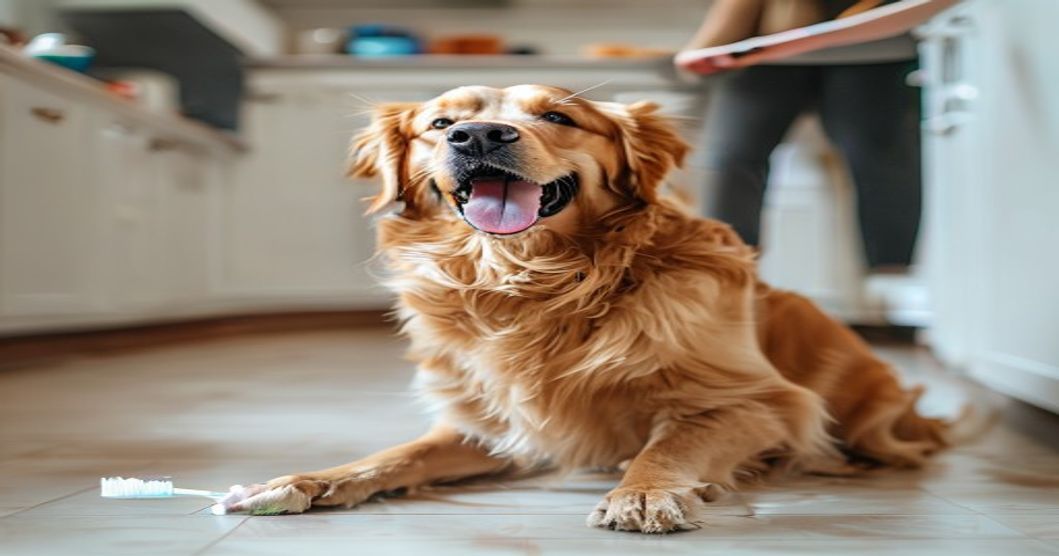
My neighbor’s dog, a seven-year-old beagle named Biscuit, had breath that could clear a room. At his last vet visit, the vet flagged early-stage periodontal disease — and my neighbor was shocked. She’d been giving him dental chews regularly. The catch? She’d never actually brushed his teeth. Does that sound like your setup?
This guide is built for pet parents who are just starting a dental routine or have tried a few products and aren’t getting the results they expected. I’ve pulled from ingredient research, vet dental guidelines, and the brutally honest reviews dog owners leave when a product flops repeatedly.
Why “Enzymatic” Isn’t Just Marketing Speak
The actual science: your dog’s mouth constantly builds a bacterial film called plaque. After a day or two without brushing, that plaque absorbs minerals from saliva and hardens into tartar — that rough, yellowish-brown stuff you see creeping up near the gumline. Tartar is the real problem. It’s porous, which means more bacteria hide in it, leading to gingivitis and eventually the painful, expensive world of periodontal disease.
Most dog toothpastes work purely mechanically: bristles scrub, mild abrasives lift plaque, end of story. Works fine if you’re brushing thoroughly every single day. Enzymatic formulas add chemistry to the mix. The enzyme system — typically glucose oxidase plus lactoperoxidase — reacts with your dog’s saliva to create compounds that literally disrupt bacterial cell walls. Bacteria can’t form biofilm as easily. Less biofilm means slower plaque formation, slower tartar buildup.
The practical win: enzymatic toothpastes keep working even after you stop brushing, for a short window. They’re more forgiving of a quick or less-than-perfect session than pastes with no enzyme. That’s why vets specifically recommend them.
One Ingredient You Need to Avoid Completely
First and foremost — scan the label for xylitol. It shows up in some dog dental products as a sweetener, and it’s genuinely toxic. Xylitol causes a sudden insulin spike in dogs, which tanks blood sugar fast, and at higher doses destroys the liver. The amount matters less than you’d think. Toothpastes designed to be swallowed (dogs can’t rinse and spit, so they always swallow) have to be 100% xylitol-free.
This is the failure point owners catch too late. A product might look solid, have slick packaging, get solid reviews — and still have xylitol hiding in there. Read the ingredient list every single time you buy a new formula. It’s not paranoia; it’s being a responsible pet parent.
A couple other ingredients worth a second look: sodium lauryl sulfate (SLS) is a foaming agent fine for humans but pointless and potentially irritating for dogs. Fluoride is another one to skip in swallowed products — it’s okay in human toothpaste because we spit it out, but dogs don’t. Any legitimate dog toothpaste should already be fluoride-free, but verify it anyway.
What Actual Good Enzymatic Dog Toothpaste Looks Like
Flip the tube over and check the active ingredients. You want the enzyme system spelled out clearly. The systems that hold up in veterinary dental research are:
- Glucose oxidase — turns glucose from saliva into hydrogen peroxide
- Lactoperoxidase — uses that hydrogen peroxide to create antimicrobial compounds that kill bacterial growth
- Lysozyme — breaks down bacterial cell walls directly
Not every formula uses all three. Some stick with glucose oxidase and lactoperoxidase together; others rely on lysozyme alone. The important part is that the enzymes are actually named on the label, not just “enzymatic” in big letters on the front.
The inactive ingredients affect whether your dog will actually cooperate. A paste your dog hates becomes a paste that lives in a drawer forever. Poultry flavoring — chicken or turkey — consistently wins with dog owners. Beef and bacon work for some. Vanilla mint sometimes gets stubborn acceptance. Pure spearmint or peppermint usually gets rejected; it’s what humans like, not dogs.
The Texture Issue Everyone Complains About
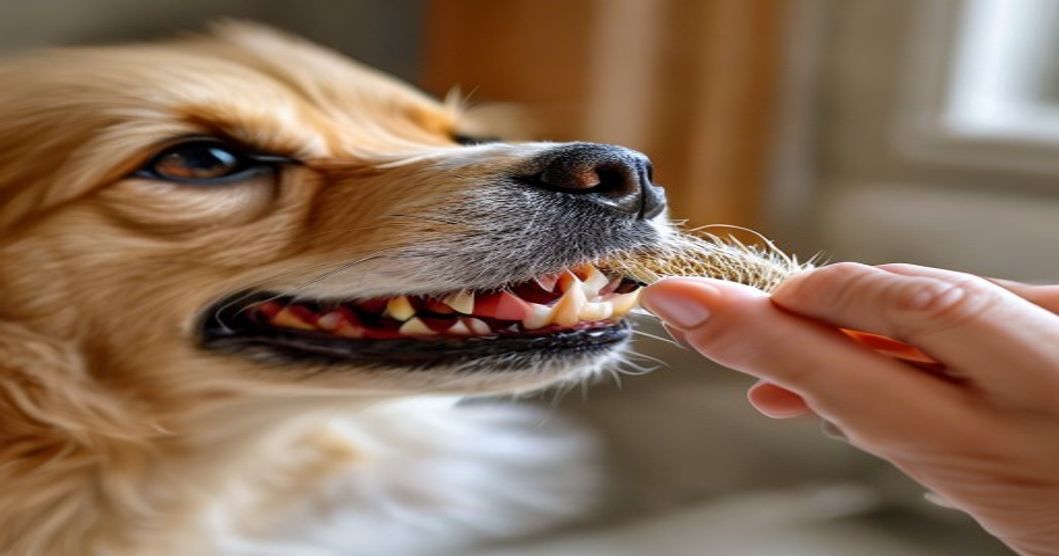
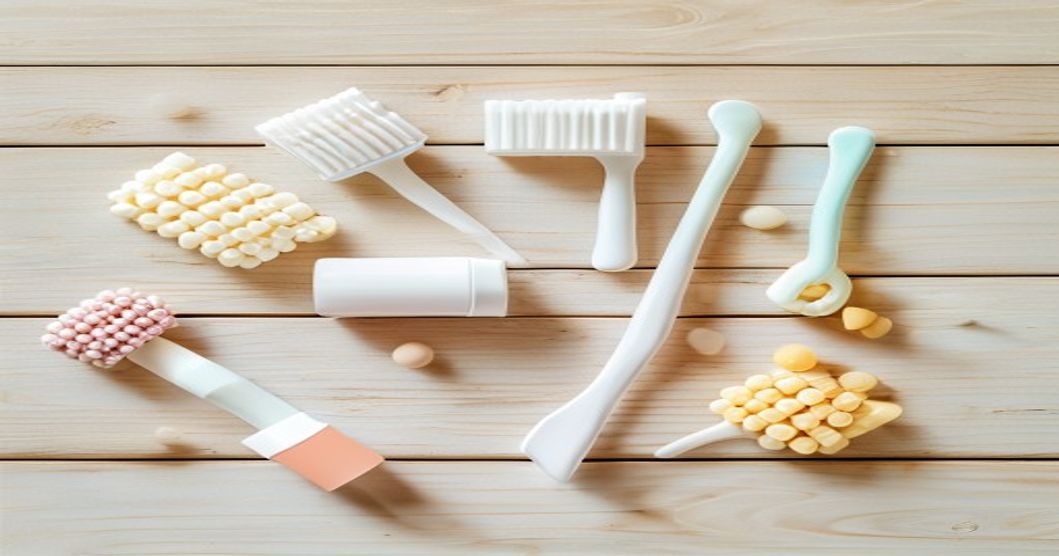
This one shows up constantly in one-star reviews. Some enzymatic toothpastes have a runny gel that slides right off the brush before you reach the back teeth. Others are thick and pasty in a way that turns dogs off just by the smell. There’s no universal winner, but here’s the workaround: if your dog tolerates the flavor but fights the toothbrush, try a finger brush instead. Finger brushes give you more control, they’re less threatening to smaller and medium-sized dogs, and you waste less product on the floor.
For dogs that refuse any kind of brush? Wrap a gauze pad around your finger, dip it in enzymatic paste, and rub it along the outer tooth surfaces. Not textbook brushing, but you’re still getting enzyme contact time. Miles better than doing nothing.
- Enzyme chemistry does its job even with shorter brushing sessions
- Safe if swallowed when it’s xylitol-free and fluoride-free
- Keeps working briefly after you stop brushing
- Attacks the bacterial root cause of plaque, not just the stain
- Multiple flavors help when you’re dealing with a picky dog
- Can’t remove tartar that’s already hardened — only a vet can do that
- Some formulas have runny gel that won’t stay on the brush
- Performance drops fast if you’re only brushing every few days
- Some products slap “enzymatic” on the label but have minimal enzyme content
- A handful of products claim to be dog-safe and still contain xylitol — always check the label
How to Actually Get Your Dog to Let You Brush
This is where most routines die. Toothpaste gets bought, gets used twice, the dog turns it into a wrestling match, and the tube ends up forgotten in a cabinet. The secret is slow conditioning, not forcing.
Week one: don’t brush. Just let your dog lick a tiny bit of paste off your finger. That’s the whole session. You’re teaching them that this flavor is safe and low-pressure.
Week two: put a small amount on a finger brush and let them chew on it for a few seconds. No actual brushing yet. Still just building the association.
Week three: do short passes along the outer surfaces of the front teeth. Give them a reward right after. Most dogs settle into reasonable brushing tolerance within a few weeks of gradual conditioning, versus the immediate resistance you get from trying to pin them down and scrub on day one.
The outer surfaces of the upper back teeth — the carnassial teeth — accumulate tartar fastest. They’re also the hardest to reach. Once your dog’s comfortable with brushing, spend the most time there. Focused work on those upper back molars matters more than thorough brushing of the easy-to-reach front teeth.
For dogs that genuinely won’t tolerate brushing (senior rescues with trauma histories, extremely reactive dogs), enzymatic dental wipes are a real option. You don’t get the mechanical scrubbing action, but the enzymes still contact the tooth surface, which beats zero. And dental chews with specific textures designed to abrade the teeth add another layer — they’re supplementary, though, not a replacement. I go deeper into related gear choices in this guide to best orthopedic dog beds for senior dogs, where I also talk about the bigger picture of senior dog health routines that stick.
When Enzymatic Toothpaste Actually Works — and When to Call the Vet Instead
Enzymatic toothpaste is your best bet for:
- Dogs under around five years old with no visible tartar — this is pure prevention, the ideal scenario
- Dogs with light plaque buildup and no visible gum inflammation
- Pet parents who already brush regularly and want to upgrade their formula
- Owners of small-breed dogs, who statistically get dental disease more often due to crowded teeth
Enzymatic toothpaste won’t fix:
- Thick brown or yellow calculus deposits on the teeth — that’s calcified tartar that a brush can’t remove, period
- Red, swollen, or bleeding gums — that’s gingivitis, and it needs a vet, not just better toothpaste
- Loose teeth or visible pain during chewing — vet visit, not a product fix
- An older dog who hasn’t had professional cleaning in years — toothpaste maintains after a cleaning, but it can’t replace one
Veterinary dental cleanings aren’t cheap and they do mean general anesthesia, which I get why some owners hesitate. But untreated periodontal disease means chronic pain and bacteria spreading to major organs. The cleaning is your reset button; consistent enzymatic brushing afterward is how you extend the time until the next one. That’s the actual framework.
By the way — the same principle of small daily habits adding up applies to your dog’s feeding setup. Elevated bowls actually matter for digestion and swallowing, especially in larger breeds. This guide to elevated cat food bowls for digestion is technically about cats, but the ergonomics logic transfers to dogs too if you’re overhauling your setup.
The Actual Daily Routine That Works
Put the toothpaste next to something you use every night — your own toothbrush, your phone charger, whatever bedtime thing you never skip. Habit-stacking is how dental routines survive the first month.
Use a pea-sized amount. More paste doesn’t mean better enzyme activity; it just creates mess and gets swallowed. Apply to the brush or finger brush, focus first on the outer surfaces of the upper back teeth, then do a quick pass along the sides. A short session every day beats a thorough brushing once a week.
Skip one night? Just brush the next night. The long-term consistency is what actually moves the needle on your dog’s dental health — not whether every single session is flawless.
The best enzymatic dog toothpaste is one with a named enzyme system, zero xylitol, zero fluoride, and a flavor your dog will actually tolerate — and that you’ll actually use every day. Those factors matter more than the brand or the price tag. Condition your dog gradually, concentrate brushing time on those upper back molars, add dental chews on harder days, and get a professional dental check if you’re already seeing buildup or gum problems. The toothpaste is maintenance; the vet visit is your baseline.
You can browse enzymatic dog toothpaste options on Amazon — check the current formulas, ingredient lists, and reviews before buying.
Disclosure: This post contains affiliate links. As an Amazon Associate I earn from qualifying purchases. This does not affect which products are discussed or recommended — editorial decisions are based on research and genuine usefulness to pet owners.