Best Elevated Cat Food Bowls for Digestion: A Complete Guide to Choosing the Right Height
Disclosure: This post may contain affiliate links. We may earn a commission on qualifying purchases at no extra cost to you.
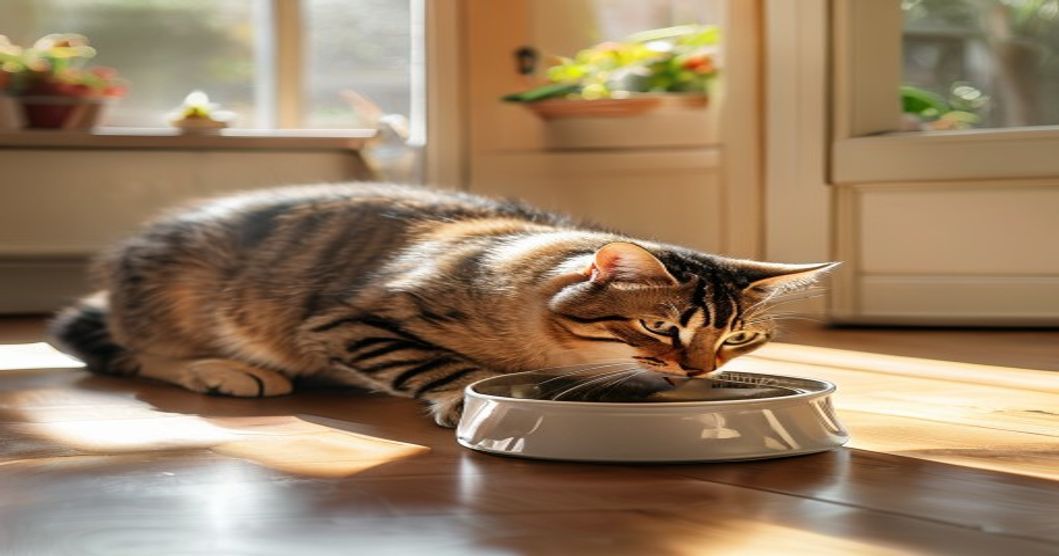
You’ve probably caught your cat doing something weird at mealtime—craning their neck at an awkward angle over a flat bowl, gagging mid-bite, or just straight-up preferring to drink from your water glass instead of their own. Sound familiar? An elevated cat food bowl might be the no-fuss solution you’re looking for.
Why Elevated Bowls Matter for Your Cat’s Health
Sure, cats evolved eating prey at ground level, but they weren’t hunched over for hours with their heads bent at weird angles. When your cat eats from a standard flat bowl on the floor, gravity and their own body mechanics work against them. Their neck curls. Their shoulders bunch up. Swallowing turns into way more effort than it should be.
That uncomfortable posture can mess with digestion. When a cat’s esophagus isn’t lined up right during swallowing, food creeps back up—which owners often confuse with hairballs or actual vomiting. Fixing the posture might help some cats avoid this problem altogether.
An elevated bowl lets your cat’s throat and esophagus sit in a more natural position. Their spine stays neutral-ish, and swallowing becomes less work. For older cats or those dealing with arthritis, this matters even more. Bending down to a floor bowl can hurt their joints and sometimes they’ll just skip eating entirely because it’s uncomfortable.
How to Measure for the Right Height
There’s no one-size-fits-all here. What’s perfect for a Maine coon is way too high for a tiny Siamese. Here’s the real way to get it right:
- Stand your cat on their back legs (or just measure while they’re standing normally).
- Measure from the ground up to their elbows.
- Your bowl should sit right around elbow height—their front legs should be nearly straight when they eat, not folded or stretched out.
- Most household cats do well with 4 to 6 inches. Bigger breeds or taller cats might want 6 to 8 inches, though every cat has their preference.
- Watch them eat and tweak the height if they’re straining or bending their neck more than feels right.
Honestly? Start with 4 inches and observe. Most cats seem to dig this height, and you can always add another inch if needed. It’s harder to build something that’s too tall.
Material Matters: What Works Best
Stainless Steel Bowls: Durable, light, heat-resistant. They don’t pick up odors or stains and wash up easy. The thing is, some cats don’t like the metallic taste or how their whiskers brush the rim, and these bowls slide all over smooth floors if the stand doesn’t have grip. Plus stainless steel gets cold fast, so water stays chilly—some cats prefer it warmer.
Ceramic Bowls: Heavy enough to stay put, look nice, and don’t change how food or water tastes. Ceramic also keeps things slightly warmer, which some cats prefer. But they chip and crack when dropped, and if the glaze gets damaged, bacteria can hide in there. Make sure any ceramic bowl says it’s food-safe and lead-free.
Bamboo or Melamine: Light and eco-friendly options. Melamine is basically indestructible but scratches and stains over time. Bamboo looks good and is sustainable, but it’s fragile and splinters if your cat chews on it. Neither one is ideal if your cat has a sensitive stomach, since they’re tougher to keep genuinely clean.
The best material is whatever your cat will actually use without fussing. If your cat’s picky or has food sensitivities, stainless steel usually wins because it’s simpler to keep bacteria-free.
Choosing Between Preset Feeders and DIY Solutions
You don’t need to shell out for a fancy elevated feeder. Tons of pet parents get solid results with basic setups.
Store-Bought Elevated Feeders: Complete units—a stand with one or two bowls attached or sitting in a frame. They’re convenient, look polished, and usually have non-slip feet. The downside is cost (which varies like crazy depending on the brand) and sometimes the bowl size is locked in, which sucks if your cat needs a different amount of food. Grab one where you can remove the bowls so you can swap them for whatever your cat likes best.
DIY Risers: A sturdy wooden box, a small table, or even stacked books under your cat’s regular bowl works fine. You get total control over height and bowl choice. But here’s the catch: whatever you use under the bowl has to be rock-solid. No tipping. No sliding. No falling apart. Cats can be messy or aggressive eaters, so stability is non-negotiable.
A lot of experienced cat owners test a DIY riser first to see if elevation actually helps, then upgrade to a real feeder if it does. That’s smart—no point spending money if your cat shows zero improvement.

Features That Reduce Common Complaints
Not all elevated bowls are made equal. Here are the pain points owners keep running into:
Tipping and Sliding: Even slightly raised bowls shift during eating if the base isn’t weighted or textured right. Look for feeders with rubber feet that grip, a wide base, or a heavy frame. Give the bowl a gentle sideways push—it shouldn’t budge.
Water Splashing: If you’re using one feeder for both food and water, water bowls tip easier because cats paw at water more. Some feeders have separate spots with different rim heights, which helps. If water’s the problem, try a separate elevated water bowl or a cat fountain somewhere else in your home.
Narrow Bowls That Pinch Whiskers: Cats’ whiskers are sensitive, and having them rub the sides of a narrow bowl is irritating. Pick bowls around 4 to 5 inches wide or bigger so their whiskers have room. Wide, shallow dishes beat deep bowls every time.
Hard-to-Clean Crevices: Some multi-part feeders have gaps where food gets stuck, especially where the bowl meets the stand. Ask yourself: Can I pop the bowl out? Can I wipe corners without special tools? Bacteria love tight spaces, so if it’s easy to clean, your feeder stays healthier.
Introducing Your Cat to an Elevated Bowl
If your cat’s eaten from a floor bowl their whole life, they might be skeptical about the new thing. Here’s how to make the switch painless:
- Put the elevated bowl next to the old one. Let them check it out without pressure. They might sniff and walk away—totally normal.
- Put their favorite food or a treat in the elevated bowl. Make it worth checking out.
- Gradually move the old bowl farther away over a few days. This naturally pushes them toward the new feeder.
- If they still aren’t into it, fill the elevated bowl with the exact food they love. Hunger is a solid motivator.
- Give it at least one to two weeks. Eating habit changes take time, especially for older or anxious cats.
- Watch portion sizes during the switch. Some cats might eat more or less from an elevated bowl at first while they adjust.
If your cat still isn’t having it after two weeks, they might genuinely prefer the floor bowl—and that’s fine. Not every cat responds the same way to elevation. But if they do start using it, wait another week or two to see if their digestion gets better or if vomiting episodes drop off.
Signs Your Cat Is Benefiting
How do you actually know if this is working? Watch for these kinds of improvements:
- Less coughing or gagging during or right after meals
- Fewer regurgitation or vomiting episodes
- Relaxed eating posture (no more neck arching)
- Better appetite or more excited eating
- Less drooling or food mess around the bowl
- Better overall mood or more energy (eating might feel less stressful for them)
Changes show up in days or take a few weeks. If you spot improvement, the elevated bowl is probably doing real work. If nothing changes after three weeks, the problem might be food sensitivity, eating too fast, or something your vet needs to check out.
When an Elevated Bowl Isn’t Enough
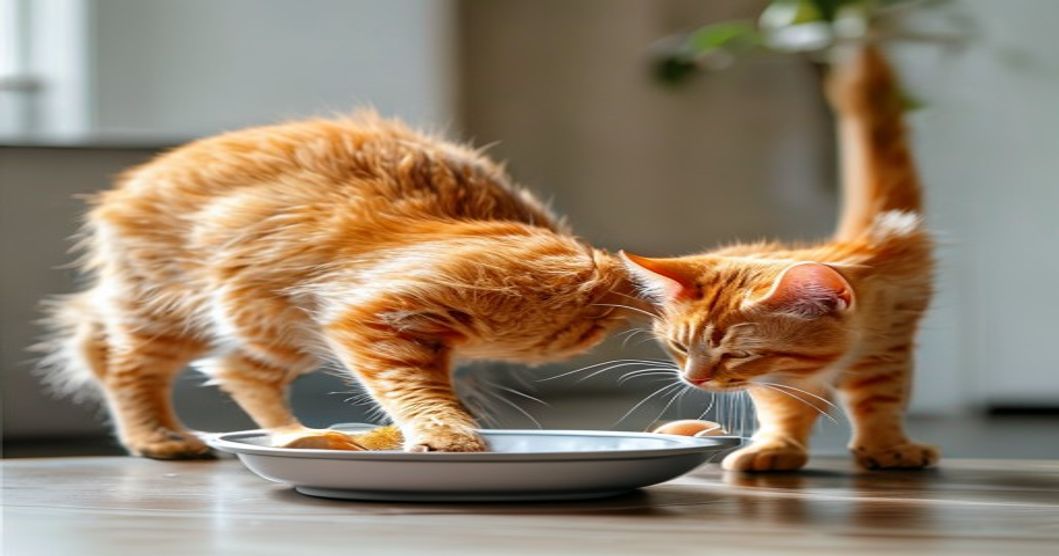
Elevated bowls help, but they’re not a fix-all for digestion issues. If your cat still vomits, regurgitates, or seems uncomfortable, try adding these:
Slow-Feeder Inserts: Lots of cats scarf down food too fast, which triggers vomiting. Slow-feeder bowls have ridges or bumps that make them eat smaller bites. They’re cheap and fit inside your elevated bowl.
Smaller, More Frequent Meals: Instead of one big meal, feed smaller portions two or three times daily. Less food in the stomach at once might ease digestion.
Wet or Softened Food: If kibble goes down too fast, try wetting it with a little warm water or switching to wet food. It’s gentler on the esophagus and digestive system.
Spacing Food and Water: Some cats do better when their food and water bowls are a few feet apart, which mimics how they’d naturally eat—not right next to the watering hole.
Veterinary Consultation: Ongoing vomiting or regurgitation can point to food allergies, inflammatory bowel disease, acid reflux, or other things. If the elevated bowl and slower eating don’t help in three weeks, get your vet involved.
Maintenance and Hygiene Tips
An elevated bowl only works if you keep it clean. Bacteria and mold thrive in that moist food and water environment.
Daily Cleaning: Wash bowls in hot soapy water every single day, especially with wet food. Dry them totally before refilling.
Weekly Deep Clean: Once a week, take the feeder apart if you can and wipe down the stand and base. Look for cracks, splinters, or water pooling anywhere.
Monthly Inspection: Check for mold hiding in corners, rust on metal, or broken non-slip feet. Swap out worn pieces or replace the whole feeder if it’s not stable anymore.
Food Storage: Keep dry food in an airtight container away from moisture. Moldy kibble causes digestive upset.
A clean feeder is a healthy feeder. This is where a lot of pet owners drop the ball—they assume the elevated bowl does everything and skip regular cleaning, which is just as important.
Budget-Friendly Alternatives
Money tight? You’ve got options that don’t skimp on function:
- Used feeders from local pet groups or Facebook Marketplace: Gently used stands cost way less than new retail.
- DIY wooden riser: A simple box or platform from scrap wood is cheap and totally customizable to your exact height.
- Adjustable risers: Some brands sell platforms where you can change bowl height, which rocks if you’ve got multiple cats of different sizes.
- Your cat’s regular bowl on a sturdy box: Real talk: this solves the problem for a ton of cats. If it works, there’s zero reason to spend more.
Don’t let cost stop you from trying an elevated setup. The cheapest solution that actually works is the best solution.
Who Benefits Most From an Elevated Bowl
Cats that might benefit: Senior cats (arthritis makes floor eating painful), cats with chronic vomiting or regurgitation, larger breed cats, and cats recovering from surgery (easier eating takes stress off).
Cats that probably don’t need one: Young, healthy kittens and cats with zero digestion problems. If your cat eats fine and shows no discomfort, leave well enough alone.
Not for cats with specific conditions: If your cat has megaesophagus (a condition where the esophagus gets all stretched out), your vet might want them eating from an elevated position during and after meals. That’s a special case—stick to what your vet says for your cat’s specific issue.
An elevated cat food bowl is a practical, cheap fix that tackles a real biomechanical problem many cats face. If your cat gags, regurgitates, or acts uncomfortable eating from the floor, it’s worth a two-week test drive. Aim for 4 to 6 inches high, grab a stable base and easy-to-clean material, and give your cat time to adjust. Mix it with slower eating habits and good cleaning, and a lot of cats improve noticeably in a couple weeks. For specific advice on the right feeder and height for your cat, talk to your vet—they know their medical history and can nail down a feeding setup that fits their actual needs.
Related Reading
Want to optimize more of your cat’s day? Check out our guide on the best automatic cat feeder for every budget and lifestyle, which covers timed feeders that pair well with elevated bowls. If you’ve got both cats and dogs at home, our articles on the best washable dog bed for heavy chewers and interactive dog toys to prevent boredom might help you manage a multi-pet household better.
Disclosure: This article contains affiliate links. As an Amazon Associate I earn from qualifying purchases. We may earn a commission if you click and make a purchase, at no extra cost to you. This helps support our work creating honest pet care guides. All opinions are our own.