Best Interactive Dog Toys for Boredom: Stop Destructive Behavior Before It Starts
Disclosure: This post may contain affiliate links. We may earn a commission on qualifying purchases at no extra cost to you.
You walk past your bedroom on a quiet Tuesday afternoon and stop. Your dog has shredded the corner of your mattress. Again. The couch pillow from last week is still a pile of stuffing in the trash. The problem is obvious: he’s bored out of his mind.
Boredom in dogs isn’t just annoying—it’s destructive. A restless, under-stimulated dog will find ways to entertain himself, and most of those ways involve your furniture, your shoes, or your patience. The fix isn’t punishment or extra walks (though walks help). It’s the right toys: ones that make your dog actually think, solve problems, and work for his rewards instead of just lying around waiting for dinner.
Top Picks: Interactive Toys That Actually Work
Best Overall
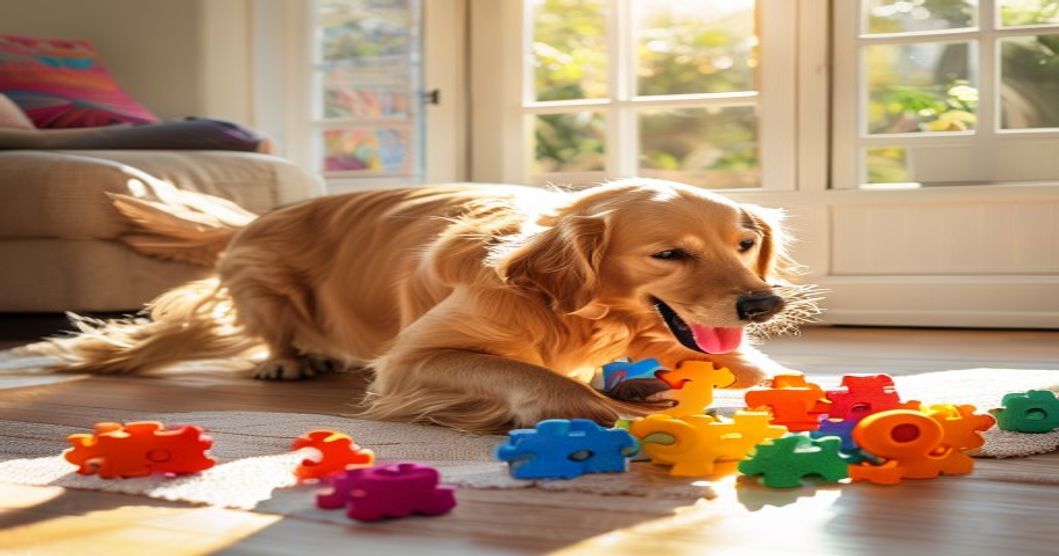
Puzzle toys (balls with adjustable compartments, sliding-tile designs) force your dog to roll, spin, or manipulate them to get kibble or treats out. It mimics natural foraging and can keep dogs busy for extended stretches. Works best for dogs motivated by food who won’t become frustrated trying to crack them open.
Explore on Amazon →
Best Value
Sniff mats (flat mats with pockets and crevices) and foraging toys (fabric rolls or boxes with hidden treats) tap into your dog’s natural drive to search and root around. They’re cheap, usually washable, and work for all sizes and ages. A sniffing session really does provide solid mental exercise. Especially good for anxious or older dogs who need gentler play.
Best for Social Play
Rope and tug toys invite you and your dog to play together. They’re not “interactive” in the puzzle sense, but they’re critical for bonding and burning off energy. Big caveat: watch closely with strong chewers. Frayed rope can cause choking or intestinal blockages if your dog swallows chunks. Skip rope toys entirely if your dog tends to shred and eat them.
Why Boredom Matters (And Why Your Couch Doesn’t Stand a Chance)
Dogs aren’t built to sit still all day. In the wild, they hunt, explore, solve problems, and interact with their pack constantly. A house dog, especially one alone for hours, gets none of that. His mind goes unstimulated. His body tenses. Anxiety builds. By evening, he’s not just restless—he’s desperate for something to do, and your furniture becomes the answer.
Here’s what dog owners report when their dogs aren’t getting enough mental stimulation:
- Destructive chewing (furniture, baseboards, shoes)
- Excessive barking or whining
- Hyperactivity and inability to settle down
- Digging, pacing, or obsessive behaviors
- Aggression or reactivity on walks
- Stress-induced eating or poor digestion
Interactive toys don’t replace exercise or training, but they fill a gap that static toys and kibble bowls can’t touch. They make your dog work for his food and fun, which mimics what he’d naturally do and can trigger those feel-good chemicals in his brain.
Comparison: Interactive Toy Types at a Glance
| Toy Type | How It Works | Best For | Playtime (varies by dog) |
|---|---|---|---|
| Treat-Dispensing Puzzle | Dog manipulates toy to release treats | Food-motivated dogs, all ages | Typically 20+ minutes |
| Sniff Mat / Foraging | Hide treats in pockets; dog sniffs to find | Anxious, senior, gentle chewers | 10–20+ minutes |
| Tug Rope | Two-way pull; you + dog play together | Social, high-energy, supervision needed | 15–30+ minutes |
| Squeaky / Plush | Dog carries, shakes, pounces on toy | Prey-drive dogs (lower supervision) | 5–15+ minutes |
| Automatic Ball / Launcher | Motorized; throws ball for solo fetch | High-energy, fetch-obsessed dogs | Extended periods |
Pros and Cons: What Works, What Doesn’t
- Mental stimulation reduces boredom and destructive behavior
- Taps into natural instincts (foraging, hunting, problem-solving)
- Can be used solo or during supervised play
- Helps manage anxiety and stress
- Slows down eating, which can help with digestion
- Much cheaper than replacing furniture
- Some dogs get bored after a few days (you have to rotate toys)
- Heavy chewers can destroy them or choke on pieces that break off
- Puzzle toys can frustrate dogs who don’t understand how to use them
- Rope toys shed fibers and can cause intestinal blockages if swallowed
- Treat-dispensing toys add extra calories to your dog’s daily intake
- They need regular cleaning, especially sniff mats and food toys
What Experts and Pet Owners Actually Say About Interactive Toys
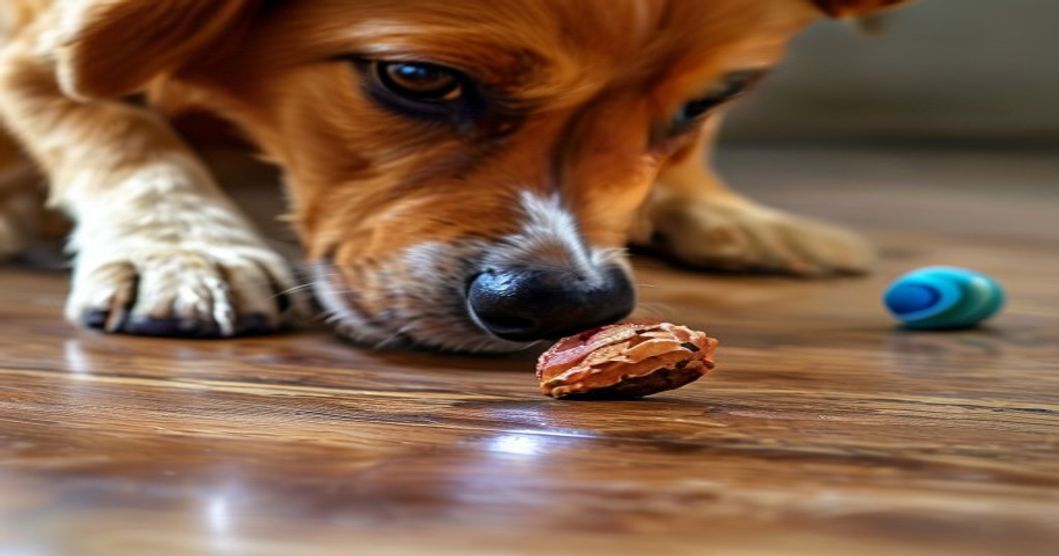
Veterinarians and animal behaviorists often recommend interactive toys for boredom prevention. Research shows that dogs lacking mental stimulation can develop behavioral problems, and puzzle-based play provides the kind of mental engagement that physical exercise alone doesn’t. A puzzle session or sniff mat activity really can tire out a dog’s brain.
Real owners have mixed experiences:
- Success stories: “My Golden stopped shredding the couch after I started rotating puzzle toys. He’s calmer, sleeps better, and doesn’t seem anxious waiting for meals anymore.”
- Mixed results: “My Beagle cracked the puzzle toy in two days. Now I just hide treats around the house, and that keeps him occupied way longer.”
- Safety wake-up calls: “My Lab swallowed rope toy strands and ended up needing surgery. We only use them with direct supervision now.”
The reality: there’s no one toy that works for every dog. Your dog’s personality, how hard he chews, whether he cares about treats, and his intelligence all matter. That’s why trying different toys and rotating them regularly actually works.
How to Choose the Right Interactive Toy for Your Dog
Consider These Four Factors
1. Age and Size
Puppies need softer, smaller toys they can carry around. Senior dogs benefit from low-effort sniff mats and slow feeders. Large dogs need toys built to last; tiny dogs need appropriately sized puzzles (most toys designed for large dogs will bore or overwhelm a small dog).
2. Chewing Intensity
Gentle chewers can handle rope, plush, and standard puzzle toys. Aggressive chewers need heavy-duty rubber puzzles, Kongs, or sturdy foraging mats. If your dog destroys everything, skip toys with small removable parts.
3. Motivation Type
Is your dog food-obsessed? Treat-dispensing toys are your answer. Does he love the thrill of the hunt or squeaky sounds? Prey toys might work better. Is he a social dog who loves playing with you? Tug toys are his language.
4. How Much Time You Can Supervise
Some toys are safe to leave out unsupervised; others (rope, anything with small parts) need watching. If you work long hours, stick with durable sniff mats, puzzle toys designed for solo use, or automatic ball launchers.
A Practical Strategy: Rotation and Keeping Things Fresh
Here’s the real trick to stopping the couch-destruction cycle: variety. Keep four or five interactive toys around, but only leave two or three out at a time. Swap them every couple of days. This approach—novelty rotation—keeps your dog engaged. His brain thinks, “Wait, the puzzle toy’s back! How does this work again?” instead of “Yeah, I’ve seen this a million times.”
Rotating also makes toys last longer. A puzzle toy that’s boring your dog to tears will stay fresh and useful if you put it away and bring it back later.

Who These Toys Are For (And Who They’re Not)
Perfect For:
- Dogs home alone for long stretches during the day
- High-energy breeds (Border Collies, Huskies, Australian Shepherds, Labs)
- Puppies learning to settle down and entertain themselves
- Dogs with mild to moderate anxiety or stress
- Dogs prone to destructive chewing or excessive barking
- Owners willing to rotate toys regularly and supervise play
Not the Best Fit If:
- Your dog has a history of eating non-food items (serious intestinal blockage risk)
- Your dog has severe separation anxiety (toys alone won’t fix this; you need professional help)
- You don’t have time to clean, swap out, or watch your dog play
- Your dog is on a restricted diet or has stomach issues (extra treats mess with calorie counts and can upset digestion)
- Your dog has dental problems (hard toys can cause pain)
- You’re renting and can’t risk toy-related damage
Safety Red Flags Every Owner Should Know
Before you buy, watch for these:
- Loose seams or stuffing: Check the stitching on plush toys. A toy falling apart is a choking hazard.
- Small, removable parts: Bells, buttons, and squeakers on toys meant for power chewers often pop off—and become blockage risks.
- Rope and string toys: These show up in vet surgeries all the time. Use only under supervision.
- Toxic materials: Steer clear of toys with lead paint or non-food-grade rubber. Check reviews online for safety red flags.
- Size problems: Too small and it can lodge in your dog’s throat; too large and your dog can’t actually interact with it.
- High-calorie treats: Puzzle toys with rich, fatty treats can cause weight gain or digestive upset. Use kibble-based puzzles for regular play and ask your vet if you’re concerned.
When in doubt, supervise the first few play sessions, watch for choking or swallowing, and talk to your vet if your dog has a reputation for eating things he shouldn’t.
A Final Note: Toys Are Part of the Solution, Not the Whole Answer
Interactive toys help combat boredom, but they work best alongside regular walks, training, and time with you. A dog getting daily exercise plus a puzzle toy waiting at home is likely a happy, well-adjusted dog. A dog with just a puzzle toy and nothing else will still struggle. Use these toys as one piece of a bigger enrichment picture.
Boredom quietly destroys homes and your dog’s mental peace. The best interactive toy for your dog is the one that matches his personality, chewing style, and life—which usually means combining treat puzzles, sniff mats, and tug toys, rotated regularly to keep things interesting.
Start with one puzzle toy or sniff mat and see what your dog gravitates toward. Build from there. Most importantly: watch the early sessions, rotate regularly, and remember that interactive toys prevent boredom but don’t replace walks, training, or your attention.
Shop Interactive Dog Toys on Amazon →
Related Resources for Pet Owners
Looking to tackle boredom and enrichment? These guides may help too:
- Best Pet Camera for Your Home: A Complete Guide for Pet Owners — Monitor your dog while you’re away and catch boredom behavior early
- Best Automatic Cat Feeder: A Complete Guide for Every Budget & Lifestyle — The enrichment principles here apply to slow-feed bowls for dogs too
- Best Dog Harness for Your Pup: A Complete Guide to Choosing the Right Fit — Proper gear for comfortable, frequent walks and outdoor time
Disclosure: This article contains affiliate links. As an Amazon Associate I earn from qualifying purchases. When you click a link and make a purchase, we may receive a small commission at no extra cost to you. This helps support our site so we can continue testing and reviewing products for pet owners.