Best Heated Pet Bed for Winter Outdoor Cats: Waterproof Options Compared
Disclosure: This post may contain affiliate links. We may earn a commission on qualifying purchases at no extra cost to you.
When winter hits and your outdoor cat needs warmth, a heated bed isn’t just nice to have—it’s essential. The real challenge is finding one that actually survives freezing temperatures, won’t short out from moisture, and won’t empty your wallet. I’ve heard from plenty of owners who bought the wrong type once, watched it waterlog or fail, and then finally invested in something that actually works.
Why Most Heated Beds Fail Outdoors (and How to Avoid It)
The biggest mistake? Buying an indoor heated pet bed and hoping it survives outside. Spoiler: it won’t. Here’s what actually happens:
- Moisture sneaks in. Rain, snow melt, and ground dampness creep through gaps around the heating element. Indoor beds barely seal anything.
- Cords corrode and fray. Even a “protected” cord in cold, wet conditions can lose its insulation layer or trip your breaker.
- Insulation turns to mush. Cheap foam soaks up water and becomes useless within weeks.
- The heating element dies. Water plus electrical element equals a short circuit—sometimes after just days of wet exposure.
Owners tell me they grab an inexpensive indoor heated bed (usually $40–$80), put it on a covered porch, and it fails after the first hard frost. The heating might still technically work, but the thermostat quits or the cord develops a fault. Then they bite the bullet and buy a proper outdoor model ($80–$150+) and wish they’d done that first.
Key Features That Actually Matter for Outdoor Winter Beds
Waterproof outer shell. Look for “fully waterproof,” not just “water-resistant.” The cover should be tightly sealed polyester or vinyl, not canvas. Seam-sealed construction is your gold standard.
Insulation underneath. The bed needs a solid base—either foam that resists water or a thermal layer on the bottom. This stops ground cold from draining away the heat. Many outdoor beds sit on feet or a platform, which also helps with drainage and airflow.
Heating element design. The best outdoor beds completely enclose and seal the heating element, not just tuck it into a pouch. Check the specs for words like “potted” or “sealed”—that means the element is fully isolated from moisture.
Thermostat control. A thermostat cycles the bed on and off as temperature changes. This cuts electricity use and stops the element from wearing out as fast. Beds without one run constantly, which wastes energy and burns out the heating faster.
Cord entry and protection. The power cord should enter through a sturdy grommet, not just poke through fabric. Better models have a strain relief or weatherproof connector. You should also be able to run the cord along a wall or under an eave, not across open ground where animals or weather can damage it.
The Comparison: Outdoor Heated Bed Types
Here’s how the main types stack up:
| Bed Type | Heating Power | Waterproofing | Price Range | Best For |
|---|---|---|---|---|
| Enclosed pod with thermostat | Moderate to high wattage, thermostat-regulated | Fully sealed, seam-sealed cover | $120–$180 (check current pricing) | Cold climates (below 20°F); long winters; maximum warmth retention |
| Flat heated mat + insulated box | Moderate wattage | Mat is waterproof; box needs a roof | $80–$120 (check current pricing) | Moderate climates; budget-conscious owners; simpler setup |
| Heated bed pad (thin, under bedding) | Low wattage | Pad waterproof; needs external shelter | $40–$70 (check current pricing) | Garage, shed, or covered porch only; not exposed outdoor |
| Low-watt plug-and-play insulated nest | Low wattage, passive insulation retention | Basic water-resistant cover | $50–$100 (check current pricing) | Mild winters; supplemental warmth; low power draw |
Choose an Enclosed Pod If…
Your region gets winters where the temperature regularly drops below 20°F (-7°C) or stays cold for months on end. An enclosed pod with a thermostat is the gold standard because:
- The walls and insulation trap heat, so the inside feels much warmer than outside air.
- Your cat can burrow deep inside, away from wind and snow.
- Fully sealed construction means rain and moisture rarely touch the heating element.
- The thermostat only runs heat when it’s needed, which extends how long the element lasts.
The downside? Higher upfront cost ($120–$180 or more), it takes up more space, and some cats are wary of enclosed designs at first. Most warm up to it within a few days though.
Choose a Flat Heated Mat + Box If…
You’re in a moderate climate (20s–40s°F range) and want flexibility. A waterproof heated mat inside a sheltered insulated box or existing cat shelter gives you:
- Lower upfront cost and easier to store or swap out.
- The ability to use the mat inside a shelter you already own or build something custom.
- Fewer moving parts (just the mat), so fewer things can break.
The catch: the box itself has to be insulated and have a roof. A plain cardboard box with a mat inside won’t hold heat. The mat provides warmth; the enclosure provides insulation.
Don’t Use a Thin Pad Without Shelter
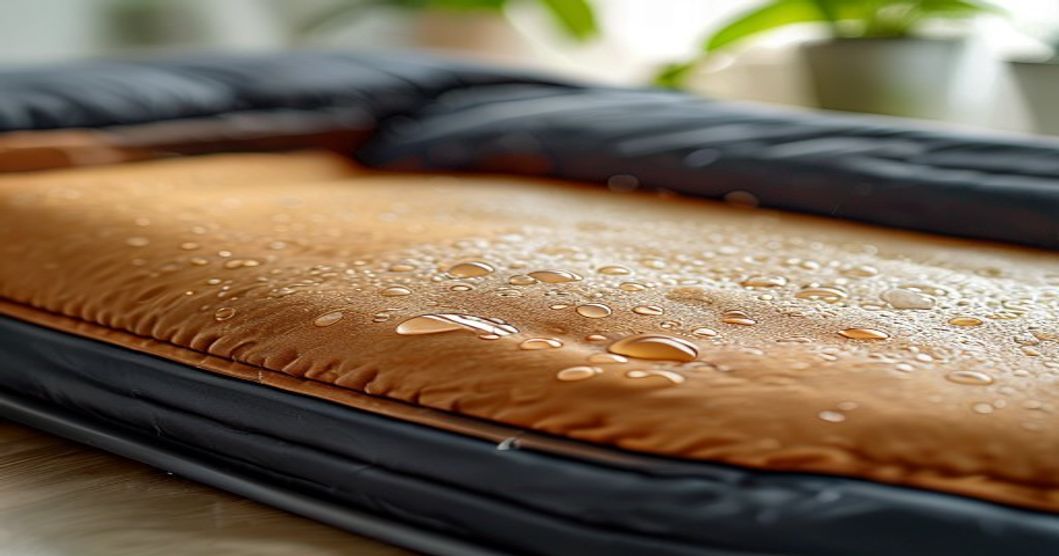
A heated pad or thin mat on its own, sitting on a porch with no insulated box or roof overhead, will disappoint you fast. Yes, the element might be waterproof, but:
- Wind pulls heat away instantly.
- Wet weather soaks any bedding you pile on top.
- Your cat’s exposed to the elements, so she probably won’t use it much.
- Without insulation underneath, ground cold neutralizes the heating.
If you have a covered spot—garage, shed, or a porch overhang—a thin pad under blankets can work. Otherwise, save your money.
- Keeps outdoor cats safe during extreme cold (prevents hypothermia and frostbite).
- Cuts down on stress and illness from prolonged cold exposure.
- Daily operating cost is modest (most heat bills are pretty small).
- Cats figure out how to use them without any training.
- Thermostat models save energy by cycling on and off only when needed.
- Enclosed designs protect from wind, rain, and snow.
- Initial cost ($80–$180+ depending on the model and what’s available).
- You need an outdoor outlet nearby or a safe extension cord setup.
- Cheap models fail in wet conditions within a single season.
- Some cats are hesitant about enclosed designs at first (though most adjust).
- You have to protect the cord and plug from moisture and chewing.
- If the thermostat fails, the bed might run constantly (fire hazard) or stop heating entirely.
Real-World Installation Mistakes to Avoid
Leaving the cord exposed. This is the most common failure point owners report. A frayed or wet extension cord can short out, trip your breaker, or create a safety hazard. Route it along a wall or fence, under a roof overhang or protective conduit, and use a weatherproof outlet cover if the outlet’s outside. Even better: plug into an indoor outlet and run the cord through sealed conduit or along a sheltered wall.
Placing the bed in a drafty spot. A heated bed loses warmth fast in the wind. Heat dissipates before your cat can really benefit from it. Set it in a corner, against a wall, or under an eave. Some owners build a small wind break with a board or tarp to shield the entrance.
Not elevating it off wet ground. If the bed sits directly on wet soil or pavement, moisture creeps up from below and gets into the insulation and heating element. Lift it a few inches with feet, a pallet, gravel, or a platform.
Using it without a roof or cover. Even a “waterproof” bed will collect rain and ice if left completely exposed. A simple overhang, garage opening, or a waterproof cover above the entrance keeps water from pooling on top.
How to Tell If Your Cat Is Actually Staying Warm
Your cat won’t necessarily be visible using the bed—outdoor cats often slip in at night or during storms. Signs she’s actually using it:
- The bed feels warm or hot to the touch in the morning.
- You see matted fur, paw prints, or loose hair inside.
- On very cold nights, she’s not shivering or huddled somewhere else on your porch.
- (Optional) A motion camera or pet camera lets you confirm she’s using it at night.
If the bed’s always cold and you never see signs of activity, check the placement. Is it in a wind tunnel? Too exposed? Near something that scares her? Cats are picky, and moving the bed a few feet can make all the difference.
Maintenance and Winter Care
To keep a heated bed working all season:
- Check the cord every few weeks for fraying, cracks, or bare copper. Replace immediately if you spot damage.
- Clear ice and snow off the roof and entrance regularly so water doesn’t pool or freeze inside.
- Wipe the exterior dry after heavy rain or sleet when you can, especially around the seams.
- Use a weatherproof outlet cover or unplug during extreme thunderstorms (power surges and wet conditions are risky).
- Feel the thermostat if it seems unusually warm; a failed thermostat may be stuck on. Unplug and contact the manufacturer if something feels off.
- Replace bedding inside if it becomes matted, wet, or filthy. Bedding does the insulating; wet or matted bedding loses heat fast.
Related Gear That Helps
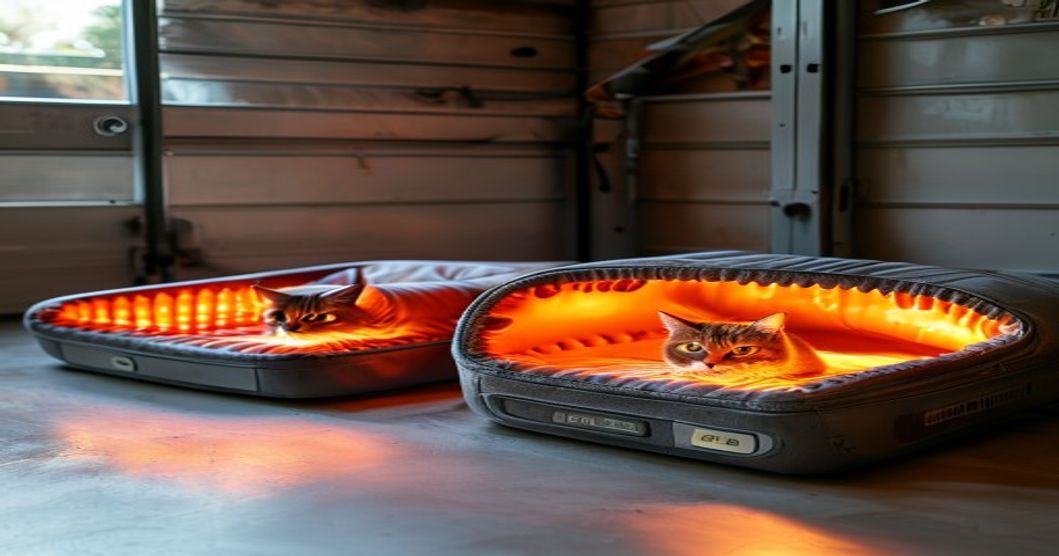
A heated bed is the foundation, but a few other things boost winter safety:
A covered water source. Cold water freezes or gets contaminated with snow. A heated water bowl or sheltered water station near the bed keeps your cat from leaving that warmth for a drink. (Our guide on the best pet water fountain for cats with filters covers outdoor-rated options.)
A weather-resistant food box. Set food in a sheltered spot close to the heated bed so your cat doesn’t waste energy traveling in the cold.
A backup shelter. Some outdoor cats rotate between favorite spots. A garage, shed, or insulated cat house gives her options on nights when the heated bed is wet or if the power fails.
Cost and Budget Breakdown
A good heated bed is an investment, but here’s the reality:
- Initial cost: Usually $80–$180+ for a quality outdoor-rated bed (more than indoor beds, but it lasts multiple years).
- Electricity cost: Pretty modest during winter with typical usage. Check your model’s wattage and your local rates to get exact numbers.
- Replacement bedding or inserts: $10–$25 per year if needed.
- Lifespan: A good bed lasts 3–5 years with proper care, which brings the annual cost down significantly.
Compare that to an emergency vet visit for hypothermia or frostbite ($500–$2,000+), and a heated bed looks like smart money.
For outdoor cats facing winter, an enclosed, fully waterproof heated bed with a thermostat is your best bet. Look for solid construction, sealed heating elements, good insulation, and weatherproof cord entry. Don’t bother with indoor-only models—they fail outdoors within weeks. Install it in a sheltered spot, elevated off wet ground, with the cord protected. Most outdoor cats use these beds consistently once they find them, especially on cold nights. The upfront cost ($120–$180+ depending on the model and what’s available) buys you peace of mind and real safety for your cat.
Who This Is For (and Who It Isn’t)
This is for you if:
- You have an outdoor or feral cat (or a colony) that stays outside at night.
- You live in a climate with freezing winters, ice, or heavy snow.
- You want to lower the risk of hypothermia and avoid pricey vet bills for cold-related issues.
- You have an outdoor outlet or can safely run an extension cord.
- You’re willing to invest upfront in quality and pay modest electricity bills through winter.
This isn’t for you if:
- Your cat lives indoors full-time (a regular indoor bed is cheaper and fine).
- You live somewhere mild where winter temps rarely drop below 40°F (a regular insulated shelter is enough).
- You have no outdoor outlet and can’t safely run an extension cord to a sheltered area.
- You can’t monitor the bed or do basic upkeep (cord checks, clearing ice and snow).
- Your outdoor space is too exposed or windy; a heated bed won’t help without some shelter.
Final Thoughts
Winter outdoor cat safety boils down to three things: warmth, shelter, and water. A good heated bed gives your cat warmth and a safe, cozy refuge on the coldest nights. Add a sheltered spot, a nearby water source, and regular check-ins, and you’ve done right by her. Don’t skimp on the initial purchase—buying the wrong bed in November and watching it fail in January teaches a painful lesson. Spend appropriately upfront, pick a model rated for outdoor use, and you’ll sleep easier knowing your cat has real protection all winter.
Disclosure: This article contains affiliate links to Amazon. As an Amazon Associate I earn from qualifying purchases. We’re committed to recommending products based on genuine usefulness and reader need, not affiliate commission.