Best Pet Food Storage Containers to Keep Kibble Fresh and Safe in 2026
Disclosure: This post may contain affiliate links. We may earn a commission on qualifying purchases at no extra cost to you.
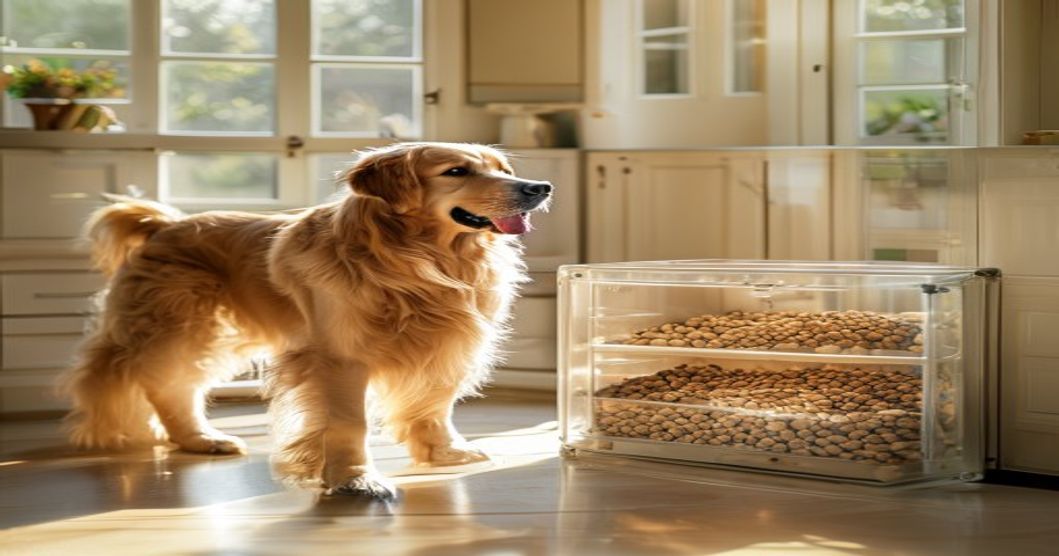
Here’s the mistake I see pet owners make over and over: they bring home a big bag of kibble, tear it open, fold it up with a chip clip, and leave it in the pantry. Then they wonder why their dog gets an upset stomach, or why the food starts smelling stale after two weeks. The truth is, once you open that bag, oxygen and moisture are your enemies—and most people’s storage methods are losing that battle.
An airtight container with a solid gasket seal is non-negotiable for keeping dry pet food fresh and safe. The difference between a vacuum-sealed container and a flimsy plastic bin is the difference between food staying safe for weeks versus spoiling in days and inviting bacterial growth that can make your pet sick.
Why Pet Food Storage Containers Actually Matter
Pet food spoils for three main reasons: oxygen exposure (oxidation), moisture, and temperature swings. When kibble oxidizes, it loses nutritional value and develops a stale, rancid smell. Moisture invites mold and bacterial growth—salmonella, listeria, and E. coli can all thrive in damp kibble. Most zip-lock bags, even when folded carefully, don’t create a true airtight seal. A clip holds the top together, but air still creeps in around the edges.
A proper food storage container seals out oxygen and humidity. The difference isn’t just about taste—it’s about your pet’s health. Food stored properly for 3-4 weeks is nutritionally superior and safer than food that’s been slowly oxidizing and absorbing ambient moisture for a month in a paper bag.
Side-by-Side: Container Types Compared
| Container Type | Seal Quality | Durability | Best For |
|---|---|---|---|
| Locking clip containers (plastic with gasket) | Excellent (if gasket intact) | Very good; gasket may stiffen over time | Most pet owners; everyday use |
| Flip-top or hinged containers | Good (rubber seal) | Very good; hinge is potential weak point | Frequent access; quick scoop refills |
| Vacuum or pump-seal containers | Superior (removes air) | Good; pump mechanism can fail | Long-term storage; extended freshness |
| Glass with airtight lids | Excellent (gasket seal) | Excellent; breakage risk | Aesthetic preference; premium budget |
| Original bag with chip clip | Poor (no true seal) | Fair; bag degrades | Not recommended for storage over 1-2 weeks |
The honest truth: a locking-clip plastic container with a rubber gasket is the sweet spot for most households. It’s affordable, reliable, and genuinely airtight. Vacuum-seal containers are overkill for most pets—they cost more and the pump mechanism can wear out. Glass looks beautiful on a shelf but weighs a ton when filled with 30 pounds of kibble.
Locking-Clip Containers vs. Flip-Top: Which One Do You Need?
This is where the decision gets practical. Both styles seal well, but they solve different problems depending on how you feed your pet.
Locking-Clip Containers
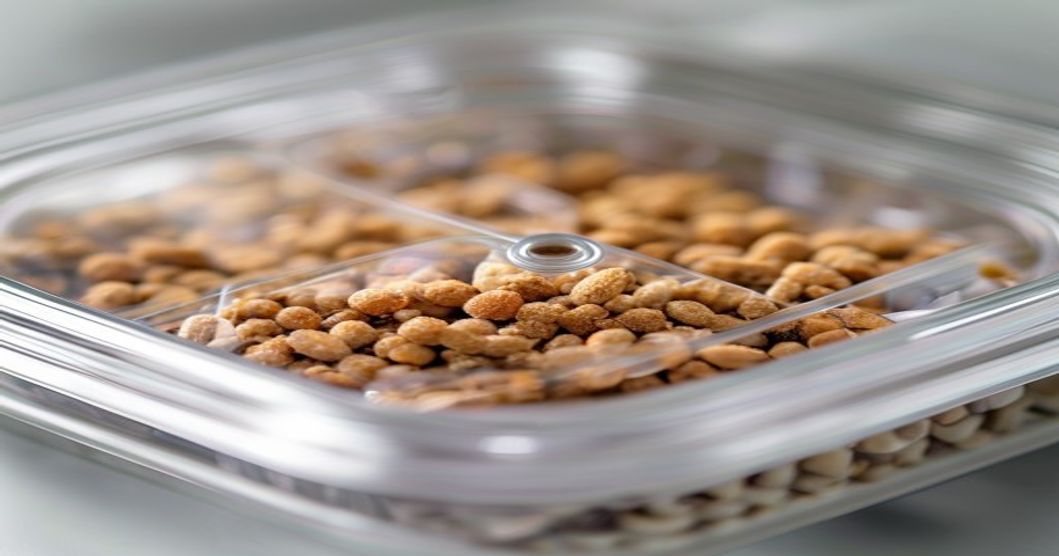
These have four corner clips or a snap-lock mechanism that press down tightly onto a rubber gasket. When sealed correctly, they create a reliable airtight barrier. The downside: every time you open and close them, you have to manipulate the clips, which can feel tedious if you’re scooping food multiple times a day. Some pet owners find the clips loosen slightly after months of heavy use.
Best if you scoop once daily or less, and your pet eats a consistent portion. The container lives in a pantry and gets sealed up immediately after use.
Flip-Top or Hinged Containers
A single hinged lid opens and closes with a casual push—no fussing with clips. The lid presses down onto a rubber seal. The convenience is real, especially if you have multiple pets or feed on a strict schedule. However, hinged lids depend entirely on the gasket staying intact and the hinge staying properly aligned. A broken hinge or a cracked gasket, and your seal fails silently.
Best if you open the container multiple times daily and value speed and ease. Also good for households with kids or elderly family members who might struggle with clip mechanisms.
- Keeps kibble fresh 3-4 weeks (vs. 1-2 weeks in an open bag)
- Blocks oxygen, moisture, pests, and odors
- Prevents bacterial and mold growth
- Easy to label and stack in small spaces
- Affordable ($15-50 for quality containers)
- Gasket dries out and cracks if stored in hot/dry areas
- Clips wear and no longer seal tightly after 1-2 years
- Container not washed between refills (food debris harbors bacteria)
- Oversized containers hold food too long; kibble oxidizes
- Hinges break if lid is forced or dropped
What to Look for When Buying
Seal quality. Open the container in the store if possible. The gasket should be flexible (not hard or cracking) and sit evenly in the groove. Press down on the clips or lid—you should feel solid resistance, not a soft give.
Size that fits your routine. A 35-50 quart container fits most 20-30 pound kibble bags. Measure your pet’s daily intake (usually printed on the bag) and work backward. A container that holds 3-4 weeks’ worth is ideal. Larger than that, and you’re storing stale food.
Food-grade plastic or glass. BPA-free polypropylene (marked “PP”) is the standard for pet food containers. Glass is heavier but lasts longer and doesn’t absorb odors. Avoid thin, flimsy plastics that won’t hold a seal or may leach chemicals over time.
Easy to clean. The gasket should be removable so you can wash it thoroughly. A container with a hard-to-reach seal will trap food debris and bacteria. Check reviews for how people actually clean them.
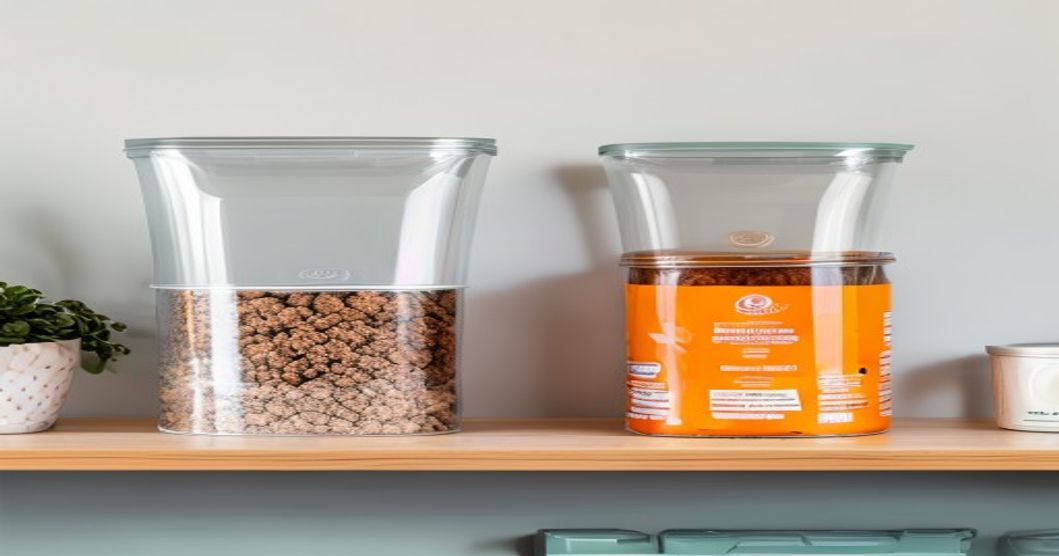
Label space or clear sides. You want to see when you’re running low on kibble. A clear container lets you check at a glance. If it’s opaque, look for a label area so you can write the food brand, purchase date, and expiration date.
Choose a Locking-Clip Container If…
- You scoop once daily or less and want a set-it-and-forget-it solution.
- Your pet’s food lives in a pantry or closet (not constantly accessed).
- You want the most affordable, reliable option with minimal maintenance.
- You prefer a no-fuss design with no moving parts to break.
Choose a Flip-Top Container If…
- You open the container multiple times daily and value speed.
- You have kids or elderly family members who struggle with clips.
- Your pet’s container sits on the counter or in an easily accessible spot.
- You’re willing to inspect the gasket regularly for wear.
Storage Practices That Protect Your Pet
The best container fails if you don’t use it right. Here are the non-negotiable rules:
Wash every refill. Every single time you add fresh food, wash the container and especially the seal with warm soapy water and dry completely. Food debris, oils, and dust accumulate and harbor bacteria. This takes five minutes and extends freshness by weeks.
Store in a cool, dry place. A pantry away from the stove is ideal. Heat and humidity degrade kibble and weaken gaskets. Never store pet food in a garage, basement, or uninsulated shed where temperature swings are wild.
Keep the original bag inside or nearby. That bag has the expiration date, feeding guidelines, and batch number. If your pet gets sick, you need that information. Toss the original once you’re confident the food is safe, but refer to it first.
Label with the purchase date and expiration date. Use a waterproof marker or a printed label. Kibble can look fine and smell okay while still past its safe window. An expiration date removes guesswork.
Never mix old and new. If you buy a new bag before finishing the old one, finish the old food first. Mixing creates a chaotic freshness timeline. The newer kibble oxidizes slower than the older stuff, so they won’t age evenly.
I know a pet owner whose dog had chronic diarrhea for months. The vet couldn’t find anything wrong—until they realized the kibble was being stored in a humid pantry in a paper bag, slowly growing mold spores invisible to the eye. Switched to an airtight container, cleaned it properly, and the dog’s issues cleared up in two weeks. That’s a real case of a storage container changing an animal’s quality of life.
What About Wet Food or Mixed Diets?
Airtight containers are designed for dry kibble. Wet or canned food requires refrigeration after opening and spoils much faster—usually within 3-4 days. Store opened cans in the fridge in glass containers with tight lids, or leave them in the original can covered with a plastic lid.
If you feed a mixed diet (kibble plus wet food), store the kibble in a dedicated airtight container separate from any wet food prep areas. Cross-contamination isn’t usually a risk, but keeping them separated makes handling cleaner and prevents odor transfer.
Recognizing When Your Current Storage Is Failing
Signs your container or method isn’t working:
- Stale, rancid, or off smell — kibble is oxidizing and oils are breaking down.
- Visible mold or discoloration — moisture has crept in; do not feed to your pet.
- Your pet refuses the food or gets an upset stomach — spoilage can trigger digestive issues.
- Insects or rodent droppings in the container — the seal is broken or not tight enough.
- Gasket is hard, cracked, or no longer fits snugly — seal is compromised; replace the container or gasket.
Any of these is a sign to switch storage methods or upgrade your container. Your pet’s health depends on it.
Who This Approach Is For and Who It Isn’t
This Works Well For:
- Pet owners feeding standard dry kibble or pressed kibble diets.
- Households that want to extend kibble freshness and save money (fresh food = less waste).
- Pets with sensitive digestions or allergies, where food quality and contamination matter.
- Multi-pet households where you’re managing several food types and preventing cross-contamination.
- Anyone living in a humid climate or with pests (containers block insects and rodents).
This May Not Be Your Priority If:
- You feed only fresh or raw food (those have different storage needs).
- You buy kibble in very small quantities (few days at a time) and use the original bag.
- Your budget is extremely tight (though containers are a one-time $20-50 investment, not recurring).
- You live in a dry climate with a rodent-free, temperature-stable home (less critical, but still recommended).
Even if you think you’re in the “not necessary” camp, I’d challenge that. A proper container costs less than one emergency vet visit for food poisoning. It’s cheap insurance for your pet’s health.
Stop storing kibble in the original bag with a chip clip. It’s costing you money in spoiled food and risking your pet’s health. A locking-clip airtight container (around $25-40) is the best single investment you can make in your pet’s nutrition. Wash it every refill, store it in a cool, dry place, and you’ll keep kibble fresh 3-4 weeks instead of days. Your pet will eat better, digest better, and you’ll have fewer emergency vet calls. That’s not just smart storage—it’s good pet parenting.
Related reading: if you’re thinking about automating feeding, check out our guides on automatic cat feeders with dual chambers, slow-feed automatic feeders, and feeders with backup batteries to round out your feeding setup.
Disclosure: This article contains affiliate links. We may earn a commission if you purchase through these links at no additional cost to you. As an Amazon Associate, I earn from qualifying purchases. We only recommend products we believe genuinely serve your pet’s health and safety.