Automatic Cat Feeder with Dual Chamber for Wet and Dry Food: The Complete 2026 Comparison Guide
Disclosure: This post may contain affiliate links. We may earn a commission on qualifying purchases at no extra cost to you.
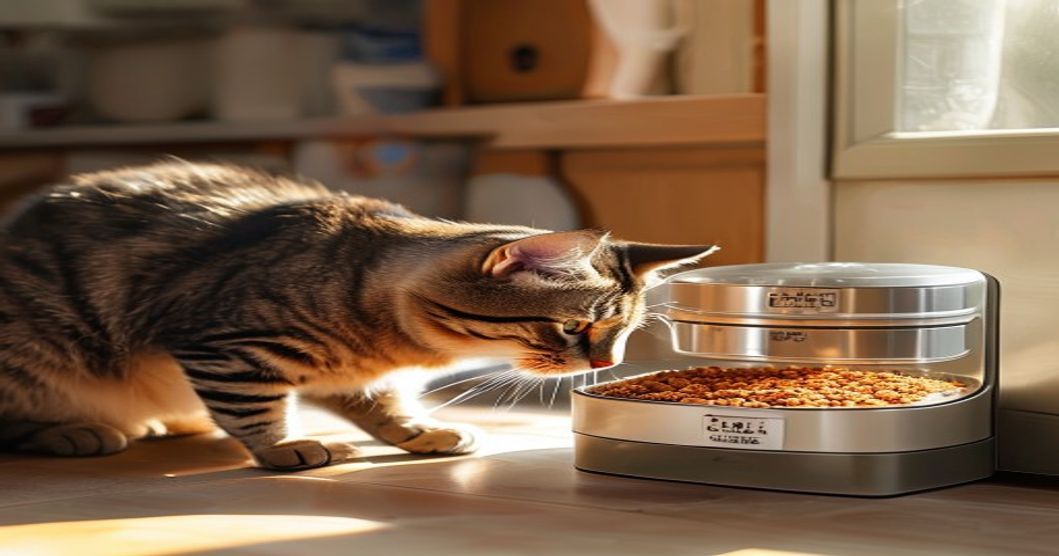
A dual chamber automatic cat feeder solves one of the biggest pet-parent frustrations: keeping wet and dry food separate, fresh, and on schedule. If your cat needs both types—wet for hydration and dry for snacking—you’ve probably wrestled with timing, spoilage, and the mess of manual feeding twice a day. The right dual chamber model does the heavy lifting and actually keeps meals fresher longer. Here’s what separates a reliable workhorse from a frustrating paperweight.
A dual chamber automatic feeder works best for cats on mixed wet-dry diets when the compartments are truly separate and the feeder has a backup power source. The defining factors are chamber isolation, ease of cleaning, and whether wet food stays cool enough to prevent spoilage—not fancy app features.
The Core Problem Dual Chamber Feeders Solve
Most cats thrive on a mixed diet: wet food for hydration (critical, since cats don’t drink enough water on their own) and dry kibble for dental benefits and convenient snacking. Manual feeding twice daily is unsustainable for working pet parents. Single-chamber automatic feeders force a choice: kibble only (leaves your cat dehydrated) or wet food only (expensive, goes bad fast, and most cats gain weight).
A dual chamber model aims to dispense both at scheduled times. The catch? Most cheap versions fail spectacularly. Common failure points owners report:
- Wet food leaks into the dry chamber or gets mixed with kibble.
- The wet food side has no cooling, so food spoils in summer heat.
- Compartments share a hopper, trapping moisture and causing kibble to clump.
- One chamber jams while the other works fine, leaving your cat waiting.
How to Read the Comparison Below
The table compares real-world performance factors: whether chambers truly isolate, how much wet food each holds, cooling capability, backup battery type, and cleaning ease. Starred items indicate common pain points from actual owner feedback. Price and availability shift constantly, so we focus on feature durability instead—what keeps your cat fed when something fails.
Side-by-Side Comparison: Dual Chamber Automatic Feeders
| Feature | Separate Compartments | Wet Food Capacity | Cooling Option | Backup Battery |
|---|---|---|---|---|
| Traditional Timed Dual Hopper | Yes, mechanical hoppers | 3–5 oz per serving | None | 4–8 hour battery |
| Refrigerated Dual Chamber | Yes, sealed tray + kibble | 5–7 oz, ice-pack cooled | Yes, ice pack or USB cooling | 24–48 hour battery |
| Smart App-Controlled Dual (Single Hopper)* | Often mixed in one chute | 2–4 oz per cycle | None (app gimmick) | 6–12 hour battery |
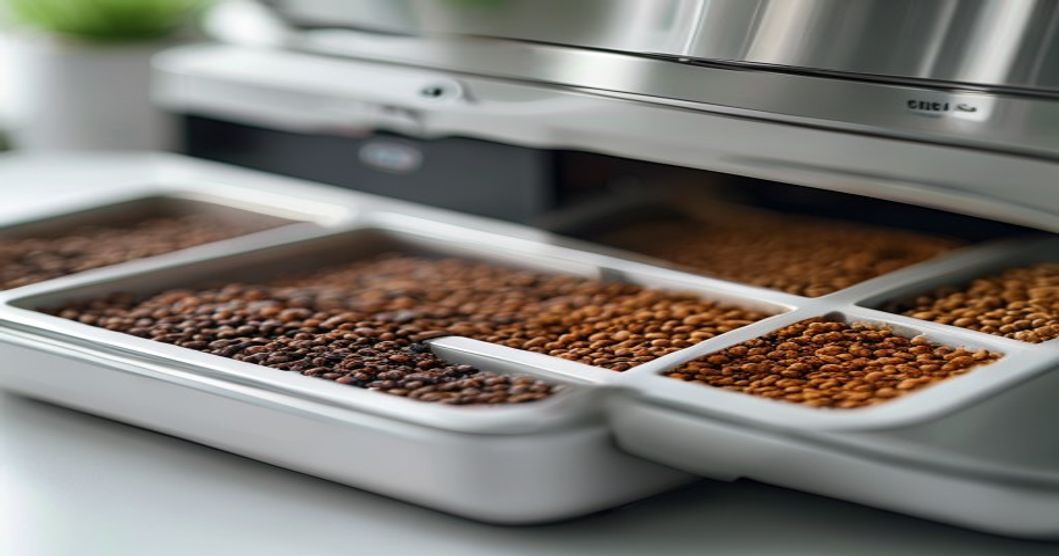
| Stainless Steel Dual Tray | Yes, side-by-side trays | 4–6 oz per serving | Not built-in; use external ice | Minimal (mechanical timer) |
*Note: Smart-only models sometimes use a single hopper with a selector mechanism that tries to alternate between wet and dry food. This fails when kibble moisture increases or wet food hardens, and you lose all control in a power outage if the app is down.
What Actually Matters: The Decision Framework
Chamber Isolation Is Non-Negotiable
If the wet and dry sides share a hopper, chute, or internal mechanism, skip it. Moisture from wet food migrates to kibble, turning it into a clumping mess within 24 hours in humid climates. Cats refuse to eat wet, soggy kibble. The feeder gets blamed, but it’s a design flaw. Look for truly separated mechanisms: one tray for wet (sealed or mechanical), one hopper for dry, with no shared pathways.
Cooling Matters in Summer (and Year-Round in Hot Climates)
Wet food left unrefrigerated for more than 2–3 hours can harbor bacteria. A built-in ice pack slot or gel cooling cartridge extends safe time to 4–6 hours. If you live in a cool climate or feed only at night, this is less critical. But if your cat eats mid-day or you live somewhere warm, a feeder without cooling is asking for food poisoning.
Battery Backup Is a Practical Lifesaver
A power outage in summer can mean a full 24 hours without functioning feeders. Cats don’t know how to open a kibble hopper on their own. A 24-hour minimum battery (not 4 hours) gives you time to notice and refill manually. Most good models have 24–48 hours; cheap ones die after 4–8 hours, which is useless.
Cleaning Ease Determines Long-Term Compliance
If disassembly takes 10 minutes and requires tools, you won’t clean it daily. Wet food residue hardens in 24 hours. Look for removable trays and hoppers, ideally dishwasher-safe. Stainless steel parts are far easier to sanitize than plastic, which stains and absorbs odors. This is where many owners fail: they buy a feeder, skip cleaning because it’s annoying, and then blame the feeder when mold appears.
- Wet food stays fresher and cooler than hand-feeding; hydration improves.
- Dry kibble doesn’t spoil; portion control is exact and consistent.
- Frees you from twice-daily manual feeding; travel-friendly for weekend trips.
- Reduces guilt: cat eats on schedule even if you’re delayed at work.
- Helps regulate weight and digestion better than ad-lib feeding.
- Upfront cost ($100–$500+) is higher than manual feeding or single-chamber models.
- Requires daily cleaning (wet side) to prevent spoilage and mold; neglected feeders stink.
- Wet food compartment capacity is small (3–7 oz per serving); won’t suit large cats eating 6+ oz at once.
- Mechanical failures are common (motors jam, hoppers stick); limited lifespan (2–4 years typical).
- Many models have poor battery backup or no cooling, reducing real-world reliability.
Choose Traditional Timed Dual Hopper If…
- You have a small to medium cat (under 12 lbs) eating 3–5 oz wet food per session.
- Your home stays cool year-round (under 72°F most days).
- You can commit to daily cleaning and don’t mind mechanical timers without app control.
- You want the lowest entry price and don’t mind replacing it in 3 years.
Choose Refrigerated Dual Chamber If…
- You live in a warm climate or your home stays above 75°F regularly.
- You want wet food protected from spoilage during the day and don’t mind swapping ice packs.
- Your cat has a sensitive stomach and thrives on very fresh, cool food.
- You’re willing to pay premium pricing ($300–$500) for long-term durability.
Avoid Smart App-Only Models If…
- You value true chamber separation. Many combine both foods in one chute and use a selector mechanism that jams frequently.
- Your internet is unreliable. App-only models can’t dispense manually if WiFi is down (a serious problem in outages).
- You want the feeder to work without your phone. Dead battery? App crash? Your cat doesn’t eat.
- You’re in an area with power outages. Short backup batteries (4–8 hours) won’t carry you through a day without internet.
Common Owner Pitfalls to Avoid
1. Buying Based on Looks or Hype Alone
Many dual chamber feeders look sleek in photos but have terrible real-world isolation. Read owner reviews specifically mentioning “kibble got wet” or “wet food mixed with dry”—that’s your warning sign.
2. Underestimating Cleaning Burden
If disassembly is complex, you’ll skip it. Skipping daily cleaning leads to mold, odor, and bacterial growth. Your cat stops eating from it. Assume you’ll actually clean it—can you do it in under 5 minutes? If not, the feeder will sit neglected.
3. Ignoring Wet Food Capacity Limits
Most models hold 3–5 oz per serving. If your cat normally eats 8 oz of wet food at once, a dual chamber feeder won’t work—you’ll be constantly refilling. Check your cat’s typical portion size against the model’s actual tray size (measure it, don’t guess from photos).
4. Forgetting About Power Outages
A 4-hour battery in summer is worse than no battery. Your cat misses a meal, panics, or overindulges later. Look for 24+ hour backup. And keep a backup manual bowl and some dry kibble nearby—this is your fallback when any smart feeder fails.
5. Choosing App Control Over Reliability
Remote feeding is a gimmick for most households. “Feed my cat from work” sounds cool but creates false comfort: if the app crashes or WiFi drops, your cat is stranded. Mechanical timers are boring but never need rebooting.
Real-World Durability and Lifespan
Dual chamber feeders typically last 2–4 years before a motor fails, a hopper cracks, or plastic warps from repeated washing. Stainless steel models tend to outlast all-plastic ones by 2–3 years. The cheapest models ($80–$120) fail fastest; mid-range ($200–$350) offer decent balance; premium ($400+) often have better motors and materials but not always—price doesn’t guarantee durability.
Most owners don’t replace a failed feeder immediately. They revert to manual feeding or switch to a single-chamber model. If you’re going to invest, pick one with replaceable parts (motor, hopper seals) available for purchase, not a sealed unit where any failure means junking the whole thing.
Multi-Cat Households: Special Considerations
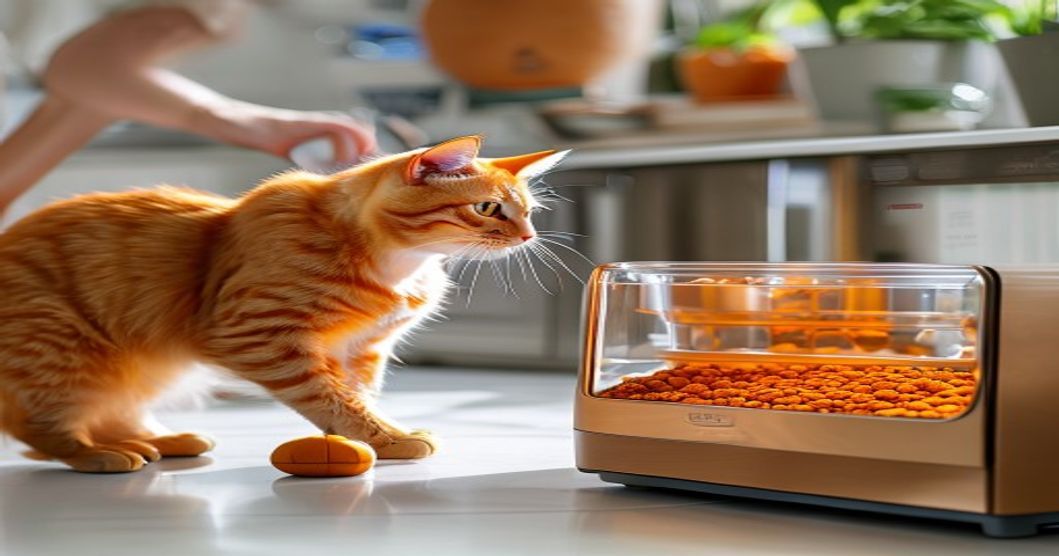
A single dual chamber feeder doesn’t work if your cats have different dietary needs (one has kidney disease and needs wet food only, the other eats dry). You’re also stuck rationing portions if both cats try to eat at once. Multi-cat homes often benefit from app-controlled feeders with separate portions per cat or running multiple dual chamber feeders in different rooms. It’s less elegant but more practical.
Power Outages and Backup Feeding Plans
Even the best dual chamber feeder is useless if the power fails. Keep a small bowl, a sealed container of dry kibble, and a can opener within reach of the feeder at all times. In summer heat, wet food spoils fast without refrigeration. If you anticipate extended outages, freeze wet food portions in ice cube trays beforehand. During an outage, hand-feed your cat on manual schedule—most cats adjust quickly if it’s consistent. This is the honest reality: no feeder is truly autonomous during emergencies.
Alternatives to Dual Chamber Feeders
Time-Release Feeders + Manual Meals: Use a mechanical time-release feeder for kibble (simpler, cheaper, no battery needed) and hand-feed wet food once or twice daily. Less automation but fewer failure points.
Two Separate Single-Chamber Feeders: One automatic kibble feeder, one manual wet food bowl that you refill daily. More tedious but allows total control over each food type and timing.
Slow Feeder Bowls (Wet) + Timed Kibble Feeder: If your cat eats too fast and gulps wet food, combine a slow feeder bowl (which you refill once daily) with an automatic dry food hopper. Solves pacing without full automation.
A truly dual chamber automatic feeder—with separate hoppers, cooling capability, and 24+ hour backup battery—works best for cats on mixed wet-dry diets in warm climates. Skip cheap models that mix wet and dry in one chute; they fail fast and create spoilage. Choose based on chamber isolation and cleaning ease, not app gimmicks. And always keep a backup bowl and dry kibble on hand for outages. A good one saves you from twice-daily feeding guilt, but it’s a tool that requires maintenance, not a set-and-forget solution.
Final Checklist Before You Buy
- Confirm chamber separation: Are wet and dry in truly separate mechanisms with no shared hopper? Read owner reviews mentioning mixed foods.
- Measure wet food capacity: Does it match your cat’s typical serving (3–7 oz)? Don’t guess from photos.
- Check cooling and battery: Ice pack slot or USB cooling? 24+ hour backup battery minimum?
- Test cleaning complexity: Can you disassemble and wash it in under 5 minutes? Are parts dishwasher-safe?
- Verify manual override: Does the feeder work without power or WiFi? Mechanical button fallback? If not, skip it.
- Check warranty and support: What’s covered if a motor fails? Can you buy replacement parts cheaply?
Disclosure: This article contains affiliate links. We may earn a commission if you purchase through these links at no extra cost to you. As an Amazon Associate I earn from qualifying purchases. All recommendations are based on product research and real owner feedback, not financial incentives.