Best Automatic Cat Feeder with Slow Feed Mode for Cats That Eat Too Fast 2026
Disclosure: This post may contain affiliate links. We may earn a commission on qualifying purchases at no extra cost to you.
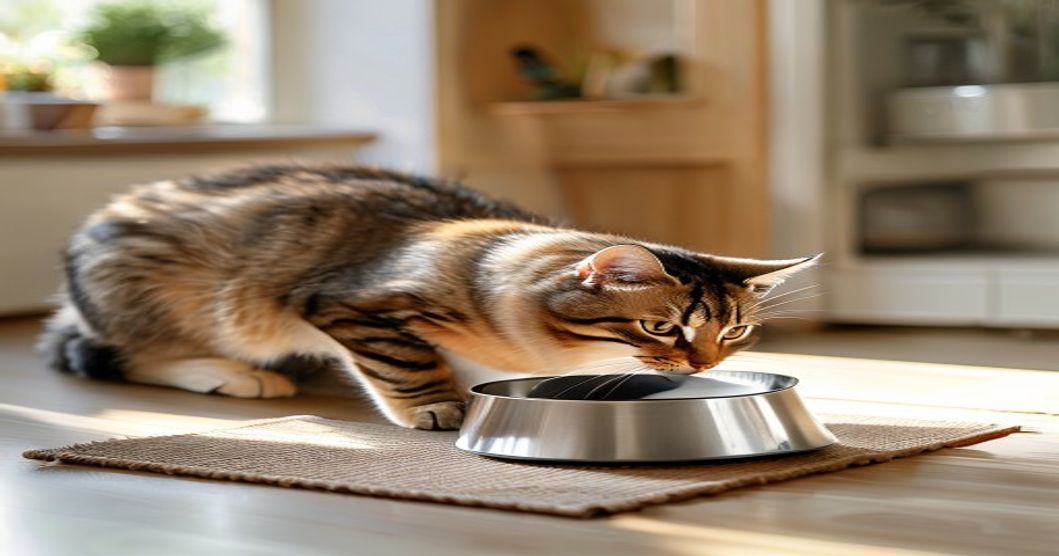
If your cat inhales kibble like there’s no tomorrow, you’ve probably watched in horror as she races through a full bowl in seconds, then asks for more. That frantic eating isn’t cute—it’s a red flag for digestive upset, vomiting, and creeping weight gain. An automatic cat feeder with slow feed mode is one of the smartest moves you can make to protect her health. Unlike standard feeders that dump an entire portion at once, slow feed models dole out kibble in tiny, controlled portions over several minutes, forcing your cat to eat at a pace her stomach can actually handle.
A slow feed automatic feeder solves fast eating by releasing kibble in controlled micro-portions over minutes. Best overall approach: a feeder with adjustable portion sizes, easy disassembly for cleaning, and a silent motor that won’t startle your cat at meal times. Aim for stainless steel bowls, dishwasher-safe parts, and a backup manual feeding option in case of power loss.
Top Choice
For any cat that bolts food. A feeder that lets you dial in portion size and release speed gives you control over how fast your cat eats. Stainless steel bowls are easier to clean and resist bacteria buildup better than plastic.
Check Amazon →
Best Value
If your cat is an extreme gulper, look for a feeder with truly tiny micro-portions—some models release just 2–3 kibbles at a time. This is the most effective way to physically prevent speed eating. Works best if your cat is patient enough for the slow distribution.
Premium Option
If you have multiple cats with different eating speeds or dietary needs, an app-controlled feeder lets you set individual schedules and portion sizes remotely. Often includes slow feed modes and real-time consumption tracking so you know exactly who ate what.
Why Slow Feed Mode Matters More Than You Think
The moment you bring home a feeder marketed as “slow feed,” you’re making a decision about your cat’s long-term health. Here’s what most pet parents don’t realize: a cat that eats too fast isn’t just annoying—she’s at serious risk.
Rapid eating stretches the stomach beyond its comfort zone, triggering regurgitation within minutes of the meal. She’ll vomit, you’ll clean it up, and you’ll both be frustrated. Over weeks and months, that pattern leads to obesity because her brain never gets the signal that she’s full. By the time satiety hormones kick in, she’s already downed a day’s worth of calories. Add digestive stress, and you’re looking at vet visits, medications, and a heavier cat who moves less and develops joint problems.
A slow feed automatic feeder addresses the root cause: portion psychology. Instead of one big dump, your cat gets a trickle of kibble over 5–15 minutes. Her stomach doesn’t bloat. Her satiety hormones actually work. She feels fuller on less food.
Key Features to Compare
| Feature | Why It Matters | What to Look For |
|---|---|---|
| Portion Size Range | Lets you match your cat’s daily calorie needs without overfeeding | Adjustable from 1/8 cup to 1/2 cup per meal; micro-portion models dispense 2–5 kibbles at a time |
| Release Speed | Controls how many kibbles drop per second—slower = harder to gulp | Models with adjustable speed settings (1–10 kibbles per 30 seconds) give maximum control |
| Bowl Material | Plastic traps bacteria and odor; stainless steel is safer and lasts longer | Stainless steel or ceramic; avoid plastic bowls unless dishwasher-safe |
| Disassembly & Cleaning | Daily cleaning prevents kibble dust buildup and mold in the dispenser mechanism | Tool-free or single-screw disassembly; dishwasher-safe parts (bowl, hopper); motors that don’t need soaking |
| Motor Noise Level | Loud feeders can startle noise-sensitive cats or wake you during night feedings | Models rated under 50 decibels; read owner reviews for real-world noise feedback |
| Backup Power / Manual Override | Power outages happen; you need a way to feed your cat if the motor dies | Battery backup, manual release lever, or separate emergency feeding port |
The Hidden Challenge: Maintenance
Here’s what sellers don’t advertise: a slow feed feeder with a complex dispenser mechanism is a dust trap. Every time kibble tumbles through the release mechanism, tiny fragments accumulate. Owners who skip daily cleaning report jammed dispensers, erratic feeding, and mold growing inside the hopper.
The worst offenders are models with lots of plastic curves and nooks. Kibble dust gets into crevices, combines with moisture from humid air or your cat rubbing her face on the bowl, and turns into a gummy paste that locks up the whole system.
Look for feeders where the hopper, bowl, and dispenser come apart completely without tools. Dishwasher-safe components are a game-changer—you can rinse and dry everything daily in under a minute. If the motor housing isn’t waterproof, hand-wash and air-dry the whole unit every week.
One more trap: some “slow feed” models advertise tiny portions but have a dispenser that skips or stutters. You’ll set it for one kibble per second and end up with three kibbles dropping, then nothing for 10 seconds, then a jam. Read owner reviews carefully for reports of inconsistent dispensing.
Slow Feed Feeder vs. Traditional Automatic Feeder
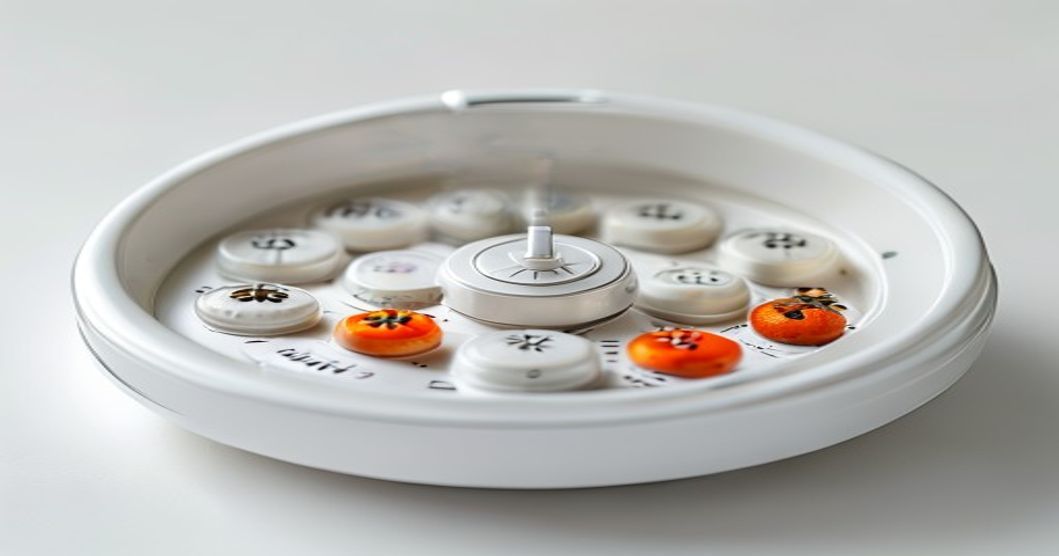
A standard automatic feeder dumps a pre-measured portion into the bowl once or twice a day. It works fine for cats with normal eating habits, but for a fast eater, it’s like handing her an all-you-can-eat pass.
A slow feed feeder releases that same portion in slow, controlled bursts. Instead of finishing a meal in 30 seconds, your cat spends 10–15 minutes eating, and the dispenser monitors how much actually leaves the hopper so you can adjust if needed.
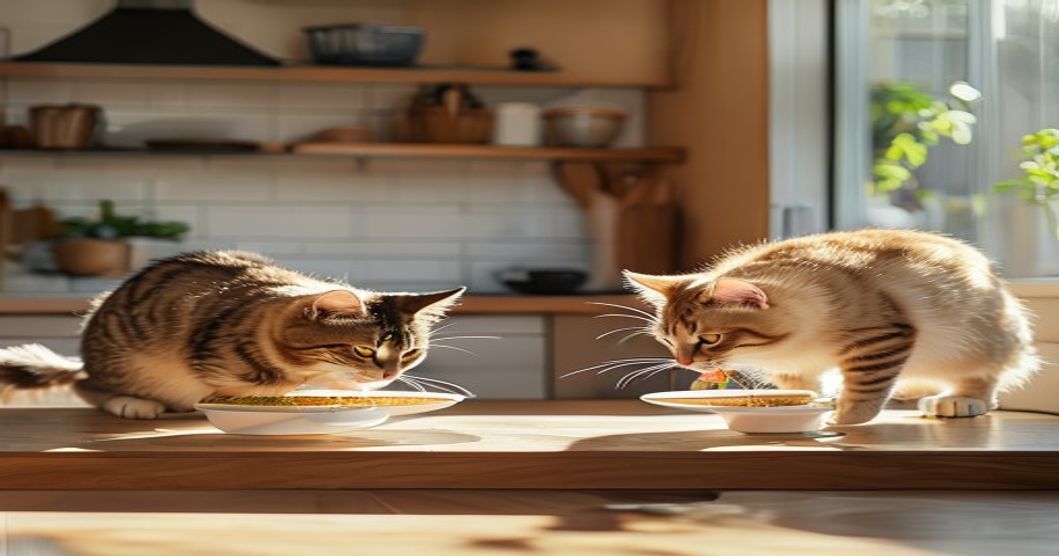
For multi-cat households, some app-controlled slow feeders let you schedule different portions for different cats—and they actually track consumption, so you know if the big cat is stealing from the little cat’s bowl. That’s a feature you won’t get from a basic model.
Common Mistakes to Avoid
Starting on the fastest setting: If your cat is used to bolting food, jumping straight to true micro-portions (1–2 kibbles per second) can frustrate her. Start at medium speed and dial it down over a week so she adjusts psychologically.
Ignoring the hopper seal: If the hopper seal isn’t airtight, kibble gets stale, absorbs moisture, and clogs the mechanism. Check that your feeder has a rubber gasket on the hopper lid.
Overloading the feeder: Some owners fill the hopper to the brim. That weight strains the dispenser motor and can cause jams. Fill only to the recommended line (usually two-thirds full).
Skipping the test run: Buy the feeder, set it up, and run it for an hour while you watch, with no food in the bowl. Does it dispense smoothly? Is the motor quiet? Is the timing consistent? Catch design issues before your cat’s first meal.
Slow Feed Feeder Specs Checklist
Use this before you buy:
- Portion size range matches your cat’s daily calorie needs (check with your vet first)
- Release speed is adjustable and goes down to at least 1 kibble per 2 seconds
- Bowl material is stainless steel or ceramic, not plastic
- Hopper and dispenser come apart completely for daily cleaning
- Motor noise is under 50–60 decibels (test it in a store if possible)
- Hopper seal is airtight (rubber gasket, not a loose snap-fit)
- Manual override or emergency feeding port in case of power loss
- Timer is accurate (set for 6 AM, check that it actually fires at 6 AM, not 6:15 AM)
- Owner reviews mention no jamming, mold, or rusting after 3–6 months of use
Who This Feeder Is For (and Who It’s Not)
- Cats that gulp food in under a minute and then vomit
- Overweight cats who need portion control and slower eating to feel full
- Indoor cats with no exercise outlet who eat out of boredom
- Multi-cat homes where one cat is a speed eater
- Owners away 8+ hours who want meals spread across the day
- Cats with very sensitive stomachs—consult your vet first
- Kittens under 6 months (portion control is different)
- Cats who eat wet food or a mix of wet and dry (most slow feeders are dry-only)
- Owners who aren’t willing to clean the feeder daily
- Cats with arthritis or mobility issues (elevated feeders may be painful)
See Also
If you’re managing feeding challenges across a household, check out our guides for specific situations:
- Best Automatic Cat Feeder with Backup Battery for Power Outages 2026 — crucial if you live somewhere with unreliable power
- Best Automatic Cat Feeder with App Control for Multi-Cat Households 2026 — if you have more than one cat with different dietary needs
- Best Automatic Cat Feeder with Stainless Steel Bowl for Wet Food: A Practical Guide for 2026 — if your cat eats a mix of wet and dry kibble
A slow feed automatic feeder is one of the most effective tools for stopping speed eating before it becomes a chronic health issue. The best models combine adjustable micro-portions, stainless steel bowls, easy disassembly for daily cleaning, and quiet motors. Start by measuring your cat’s daily calorie needs with your vet, then choose a feeder whose portion range covers that target. Commit to daily cleaning, test the motor before the first meal, and monitor your cat’s weight every 2–3 weeks. Within a month, you’ll see a calmer cat with fewer digestive upsets and a healthier eating pace.
Explore Slow Feed Feeders on Amazon →
Disclosure: This article contains affiliate links. If you click and purchase through Amazon, I earn a small commission at no extra cost to you. As an Amazon Associate I earn from qualifying purchases. All opinions and recommendations are my own, based on feature comparisons and owner feedback, not compensation.