Best Waterproof Dog Collar for Swimming: Durable, Safe & Loved by Real Pet Parents
Disclosure: This post may contain affiliate links. We may earn a commission on qualifying purchases at no extra cost to you.
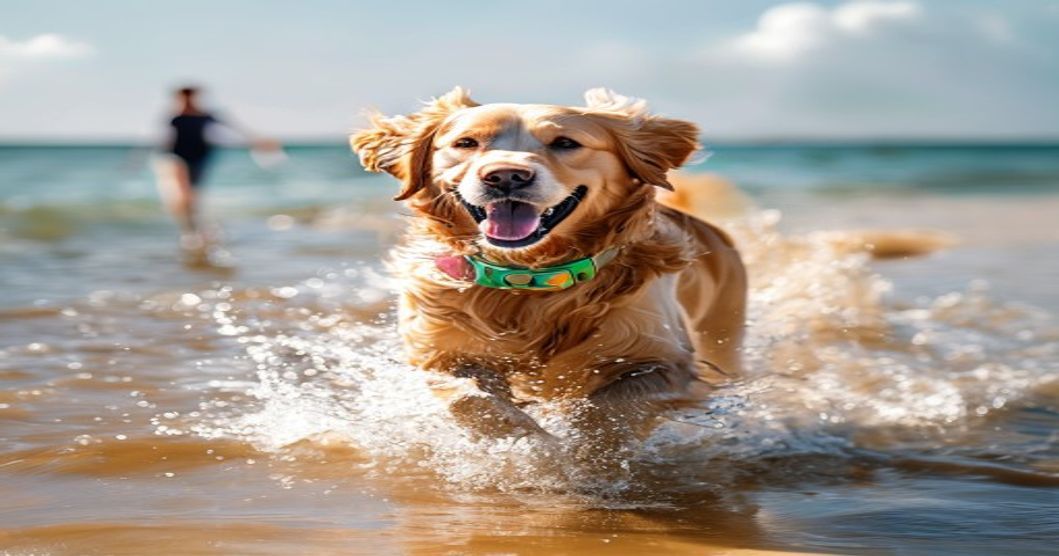
Your dog bolts toward the lake on a hot summer day, and suddenly you’re wondering: will that collar actually hold up? Regular fabric collars soak up water like a sponge, turn into a cold, soggy mess, and start stinking within hours. Even worse, they trap moisture against your dog’s skin—basically creating a petri dish for mold and bacteria. If your pup swims regularly, or even just splashes around during warm months, a waterproof dog collar isn’t a luxury. It’s the difference between a happy dog and one scratching at itchy skin or dealing with collar rot.
Top Picks: Waterproof Dog Collars by Need
Top Pick
Neoprene dries in a few hours, feels soft on sensitive necks, and holds up to chlorine and salt water. This is the go-to for dogs that swim often and need comfort during extended water time.
Explore Options →
Great Value
Tough, affordable, and built to last years. Marine-grade nylon won’t absorb water and handles rough play and saltwater beaches without complaint. Best if you want something reliable without breaking the bank.
See Deals →
Premium Pick
Made from recycled ocean plastic, waterproof and lightweight. These are solid for the environment—though they tend to cost more and may not handle heat as well as neoprene. Right for eco-minded owners who don’t want to compromise on water safety.
What Makes a Waterproof Collar Actually Waterproof?
The word “waterproof” gets thrown around loosely. A collar labeled waterproof won’t necessarily repel water 100%—it just won’t soak it up or fall apart when wet. Real waterproof collars rely on one of three main material types:
Neoprene. Same stuff as wetsuits. It’s soft, breathable, and traps a thin layer of air that lets it dry relatively quickly—usually within a few hours. Neoprene is generally comfortable on sensitive skin. The trade-off: quality neoprene costs more upfront.
Marine-grade nylon. Tightly woven synthetic fabric with a water-resistant coating. Lighter than neoprene, dries reasonably fast in air, and is seriously durable. Most owners report their marine-grade nylon collars lasting several years of regular use. They start out a bit stiff but soften with wear.
Recycled plastic or PVC blends. Tough, lightweight, and affordable. Newer collars made from recycled ocean plastic are environmentally friendly. Trade-off: they can feel uncomfortable in extreme heat and don’t have the flexibility of neoprene or padded nylon.
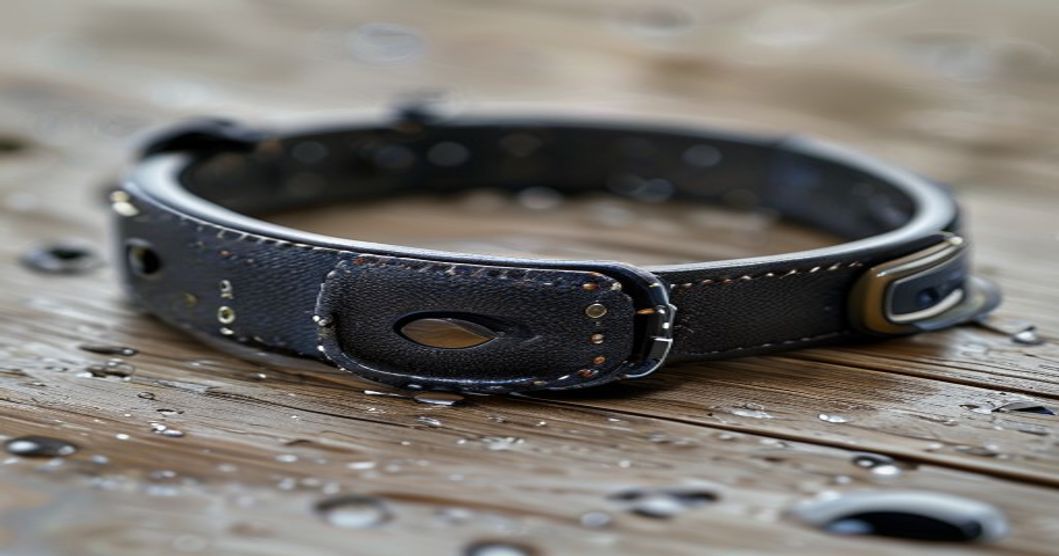
What really matters is reinforced stitching, corrosion-resistant metal (or plastic) hardware, and a secure buckle. Cheap waterproof collars usually fail where things attach, not in the material itself.
| Material Type | Drying Time | Comfort Level | Durability | Best For |
|---|---|---|---|---|
| Neoprene | A few hours | High | Very Good | Regular swimmers, sensitive skin |
| Marine-Grade Nylon | A few hours | Good | Excellent | Rough play, budget-conscious owners |
| Recycled Plastic | A few hours | Fair to Good | Good | Eco-conscious owners, occasional swimmers |
Common Failure Points Pet Parents Actually Encounter
You can buy a solid waterproof collar, but certain design flaws will tank its performance in the water. Here’s what owners commonly report going wrong:
Cheap plastic buckles that corrode. Metal D-rings and buckles are usually better, but they rust in saltwater or chlorine if they’re not stainless steel or anodized. Plastic buckles won’t corrode but crack under stress or snap if your dog pulls hard. The sweet spot: corrosion-resistant metal with plastic snap points—the snap gives before the collar tears.
Fabric seams that leak. Waterproof material fails when water sneaks through the stitching. Hunt for sealed seams or collars where fabric is glued and stitched together. Single-threaded seams can separate after heavy water use.
Collars that smell after drying. A collar that technically dries but holds moisture inside develops a funk over time. Breathable materials help, but what really works is hanging it to dry in a ventilated space—not stuffed in a damp bag. If odor happens, try a mild white-vinegar rinse (1 part vinegar to 3 parts water), then air-dry completely.
Soft padding that falls apart. Padded waterproof collars are comfortable, but the padding is often just glued on. Salt water and chlorine degrade the adhesive. Quality padding is stitched down, not bonded.
Reflective trim that peels off. Reflective stitching generally outlasts reflective patches (which peel easily). Make sure reflective elements are stitched or molded into the material, not glued on top.
Sizing and Fit: The Often-Overlooked Safety Factor
A waterproof collar means nothing if it slips off or chokes your dog. Dogs that swim hard—especially retrievers or water-loving breeds—need collars that stay put during vigorous movement.
Measure your dog’s neck with a soft tape, then add about half an inch to an inch for comfort. When fastened, you should fit two fingers between the collar and neck. For stockier dogs with shorter snouts (Bulldogs, Pugs), buy breed-specific collars—they’re usually shorter and wider, so they don’t press on the throat.
Adjustable collars with multiple holes are safer than fixed-size ones because you can get the fit just right. Some use plastic side-release buckles (like backpack straps)—quick to adjust but can pinch skin if not positioned carefully. Metal releases are usually more secure.
Test any new collar in a bathtub or kiddie pool before trusting it in open water. Watch how it sits on your dog’s neck and check for rubbing or irritation afterward.
Maintenance: How to Keep Your Waterproof Collar Actually Waterproof
The biggest mistake owners make is buying a quality waterproof collar and then ignoring it. Saltwater, chlorine, sand, and mud break down even premium materials if you let them dry caked on.
Rinse after every swim. Fresh water is your collar’s best friend. Hose it down after lake, ocean, or pool sessions to remove salt, chlorine, and debris. This single habit can extend a collar’s life significantly.
Air-dry in shade. Hang the collar in indirect sunlight or a well-ventilated spot. Direct sun for long stretches fades color and may degrade some materials. Never shove a wet collar into a closed bag or leave it in a hot car—trapped moisture breeds mold and stink.
Inspect hardware regularly. Check D-rings, buckles, and stitching often, especially if you swim a lot. Corrosion or loose stitching means it’s time for a replacement before it fails in the water.
Store dry in a cool place. Keep your collar in a drawer or shelf—not a humid basement or garage. Some owners store theirs in a mesh laundry bag so air keeps circulating.
- Dries fast without absorbing water
- Resists mold, mildew, and odor
- Won’t fall apart from chlorine or saltwater (with rinsing)
- Soft materials comfortable on sensitive skin
- Reflective options boost visibility in low light
- Lightweight and easy to pack for trips
- Good materials cost more than regular collars
- Some dogs need time adjusting to a snug collar
- Cheap buckles and D-rings corrode or break
- Requires rinsing after every swim to stay in shape
- Padding can wear through or peel with heavy use
- Some neoprene collars feel stiff in cold weather
Who This Gear Is For (and Who Should Skip It)
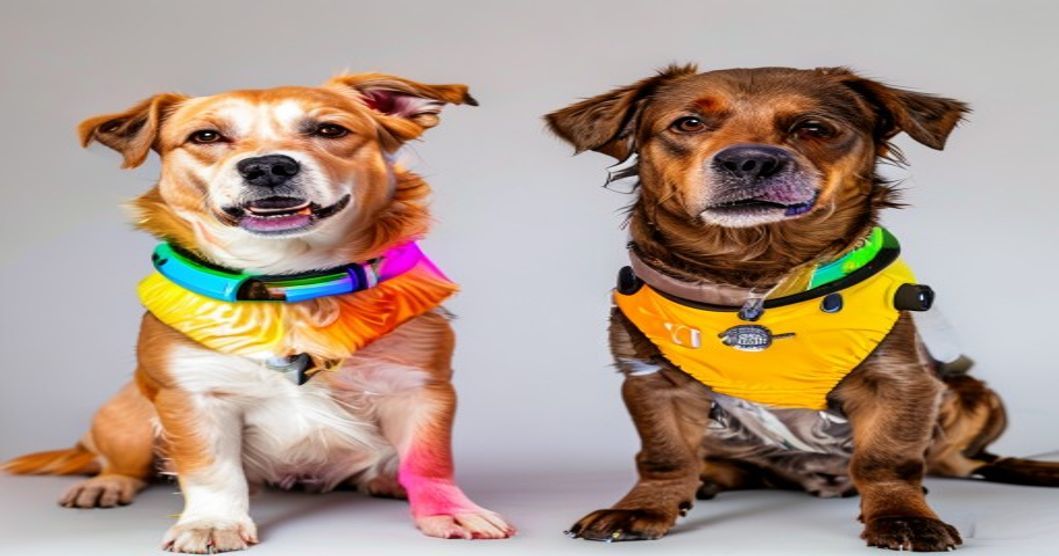
Perfect for: Dogs that swim regularly, water-loving breeds (Labs, Golden Retrievers, Spaniels), dogs with sensitive skin or fabric allergies, multi-dog homes where one loves water, and owners living near lakes, beaches, or with pools.
Not necessary for: Dogs that rarely or never swim, indoor dogs, or small breeds that only see water during baths. If your dog wears a collar just for ID tags and walks—and avoids water—a regular collar works fine and costs less. Same goes for dogs that swim once or twice yearly in a dry climate. A standard collar with good rinsing might work, though waterproof is still safer.
How Waterproof Collars Compare to Other Water-Safety Gear
A waterproof collar is just one piece of the puzzle. Many owners also buy flotation vests or harnesses for dogs new to swimming or weak swimmers. Orthopedic dog beds for senior dogs that resist water are increasingly popular for post-swim rest.
If your dog swims in chlorinated pools, rinse their eyes and ears afterward—chlorine causes irritation. Some vets suggest waterproof ear covers or a post-swim rinse, especially for floppy-eared dogs. A waterproof collar won’t prevent ear infections, but combined with good post-swim hygiene, it’s part of keeping your dog safe in water.
Don’t overlook dental health either. Chlorine and saltwater exposure affect oral health over time. Vets recommend regular brushing with enzymatic toothpaste for water-loving breeds. It’s not obvious, but overall water-safety habits support your dog’s whole-body wellness.
Real Talk: When to Replace a Waterproof Collar
Even the best waterproof collar doesn’t last forever. Most owners get several good years out of regular-use collars. Replace it sooner if:
- The buckle is cracked, corroded, or won’t click securely
- The D-ring is bent, loose, or rusted
- Padding is peeling, cracking, or exposing what’s underneath
- Seams are splitting or water pools inside
- It reeks of mildew even after rinsing and drying
- Reflective trim is peeling or completely faded
Putting off replacement risks the collar slipping off during a swim, which is a real drowning hazard. When in doubt, get a new one.
A quality waterproof dog collar is one of the smartest buys for any owner with a water-loving dog. It solves the moisture-trapping, moldy mess that regular fabric collars create and keeps your dog’s neck dry, comfortable, and safe. Neoprene gives you excellent comfort; marine-grade nylon delivers durability and value. Whichever you pick, rinse it after every swim, inspect the hardware regularly, and swap it out when damage shows. Your dog’s skin—and your peace of mind—will be better for it.
Shop Waterproof Collars →
Disclosure: This article contains affiliate links. As an Amazon Associate I earn from qualifying purchases. We may earn a commission if you click through and make a purchase, at no additional cost to you.