Best Orthopedic Dog Bed for Senior Dogs: Memory Foam vs. Egg-Crate vs. Bolster Compared

Disclosure: This post may contain affiliate links. We may earn a commission on qualifying purchases at no extra cost to you.
My neighbor’s 11-year-old Labrador, Biscuit, spent two winters sleeping on a poly-fill bed that had completely flattened out. She’d get up in the morning stiff and slow, and my neighbor assumed it was just age. Then she switched Biscuit to a proper orthopedic bed — one with a real foam core — and within a few weeks, Biscuit was bouncing to the door again at breakfast time. Not a miracle cure, but the right sleeping surface makes way more difference than most people realize.
If you’re here, you’ve probably already decided you need an orthopedic bed. The real question is: which one? Memory foam, egg-crate foam, and bolster beds all claim to be orthopedic, but they work completely differently, they wear at different rates, and they fit different dogs. I’m breaking down exactly what each style does well — and where each one quietly falls apart.
The Three Types of Orthopedic Dog Beds — What’s Actually Inside
Walk into any pet store and every plush bed claims to be orthopedic. Here’s what you’re actually looking at.
Memory Foam Beds
Memory foam (viscoelastic foam) slowly conforms to your dog’s body shape, spreading weight across the surface instead of creating pressure points at hips, elbows, and shoulders. The critical part: density matters way more than just thickness. A thick bed made from cheap, low-density foam will flatten out in a few months — you’ll literally feel the floor through it. High-density memory foam resists compression and lasts significantly longer. This is what most veterinary rehab specialists recommend for dogs recovering from surgery or dealing with chronic arthritis.
The real downside? Memory foam traps heat. Dogs that run hot or live in warm climates often avoid the bed entirely. And quality ones are genuinely heavy — moving a large dog’s memory foam bed around for cleaning is a legitimate workout.
Egg-Crate Foam Beds
Egg-crate foam has that waffle-like surface pattern that bumps up surface area and air circulation. It’s softer and lighter than memory foam, and the open structure keeps it noticeably cooler. It’s solid for dogs who overheat, or if you need a backup travel bed.
The real failure point: egg-crate foam compresses fast. For a lighter dog it’s fine. For a heavy senior dog, the peaks flatten relatively quickly and you’re back where you started. It also grabs fur and debris like velcro, so cleaning is a hassle.
Bolster (Orthopedic) Beds
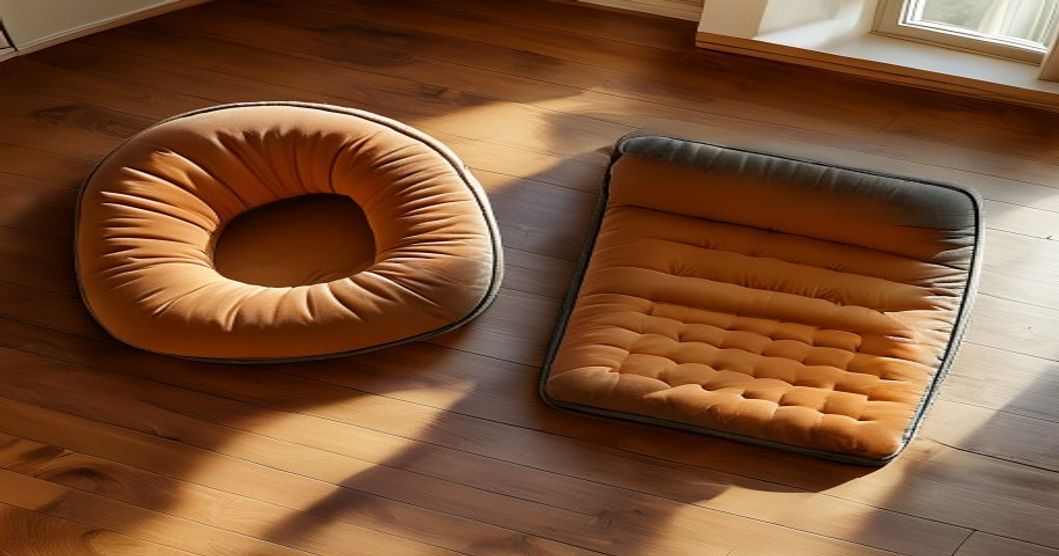
A bolster bed has raised, cushioned edges — like a couch bumper. Dogs lean against them, and a lot of them find it comforting. But here’s the problem: the fill. Many bolster beds pack poly-fiber stuffing in both the walls and the base. That’s not orthopedic support, that’s just a soft bed with walls around it. A bed that actually helps pairs raised foam or fiber edges with a solid foam base underneath. Without that firm base, your dog’s sleeping on compressed fluff.
Entry and exit matter too: bolster edges vary wildly. A dog with hip dysplasia stepping over a tall wraparound bolster can strain a joint on the way in or out. Look for a three-sided bolster with one low or open side instead.
Head-to-Head: Memory Foam vs. Egg-Crate vs. Bolster
| Feature | Memory Foam | Egg-Crate Foam | Bolster (Foam Base) |
|---|---|---|---|
| Joint pressure relief | ⭐⭐⭐⭐⭐ Excellent | ⭐⭐⭐ Moderate | ⭐⭐⭐⭐ Good (with firm base) |
| Heat retention | Runs warm — can deter hot dogs | Coolest option — good airflow | Moderate — depends on cover fabric |
| Ease of entry/exit | Easy — no edges to step over | Easiest — flat, low profile | Varies — low-entry styles are fine; wraparound = risky |
| Durability | High (dense foam lasts years) | Lower — peaks compress under heavy dogs | High base / lower fill walls over time |
| Cleanability | Cover removable; foam spot-clean only | Traps hair; harder to wipe clean | Cover usually machine washable; foam spot-clean |
| Best for | Large breeds, post-surgery recovery, serious arthritis | Small/medium dogs, warm climates, travel use | Dogs that curl up, dogs who want a sense of security |
| Common failure point | Cheap density bottoms out fast; heat deters some dogs | Too soft for heavy seniors; surface grabs debris | Tall bolster edges are a fall/strain hazard for arthritic dogs |
Pros and Cons at a Glance
- Memory foam actually redistributes weight — it’s the most clinically backed option for joint pain
- Egg-crate keeps dogs cool and is usually the lightest to move around
- Bolster edges help anxious or elderly dogs feel secure, which cuts down nighttime restlessness
- Removable, machine-washable covers on all three protect the foam and handle incontinence
- Waterproof liners (check if they’re included or sold separately) keep foam from absorbing urine permanently
- Low-density ‘memory foam’ beds that bottom out — press the foam with your fist; if you hit the hard base, walk away
- Wraparound bolster walls with no open side — it’s a real joint strain risk for dogs with limited hip mobility
- Egg-crate foam under a large senior dog compresses into a flat mat way faster than you’d expect
- Memory foam heat issues — some dogs just stop using the bed by summer without a cooling option
- Beds labeled orthopedic but packed with only poly-fill — that’s just a soft bed, period
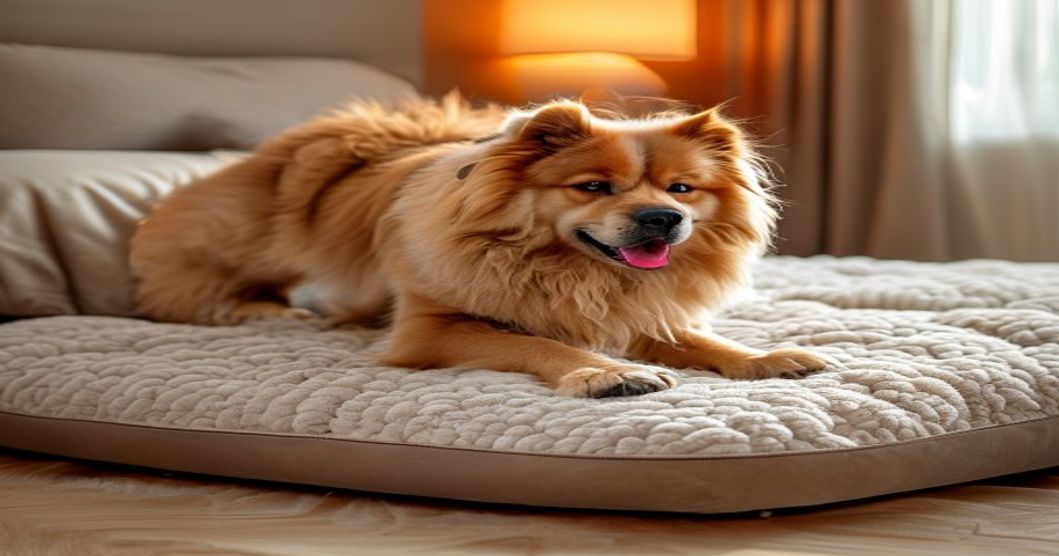
Choose Memory Foam If… / Choose Egg-Crate If… / Choose Bolster If…
Choose Memory Foam If:
- Your dog is a large or giant breed (Lab, German Shepherd, Great Dane) — these dogs put serious weight straight down on whatever surface they’re on
- Your vet has mentioned joint issues, hip dysplasia, elbow dysplasia, or arthritis — memory foam’s pressure distribution is directly relevant to these problems
- Your dog had surgery recently and is still in recovery
- Your dog sleeps stretched out, not curled up — flat memory foam is perfect for sprawlers
Choose Egg-Crate Foam If:
- You have a small or medium senior dog who won’t compress the foam too quickly
- Your dog sleeps hot, you live in a warm climate, or your dog avoids warm surfaces
- You need something light and easy to move — great for a dog who follows you from room to room
- Budget is tight and your dog is on the smaller side
Choose a Bolster Bed (with firm foam base) If:
- Your senior dog still curls up when sleeping and naturally leans against walls or furniture
- Your dog seems anxious or restless at night — bolster edges calm a lot of dogs down
- Your dog’s mobility is moderate, not severe — they can still step over or settle into a low bolster without straining
- You want a bed that actually looks neat in your living room (bolsters hold their shape better)
If your dog has serious mobility issues and you’re also dealing with destructive chewing from boredom or stress, check out Best Interactive Dog Toys for Boredom: Stop Destructive Behavior Before It Starts — mental stimulation matters just as much as physical comfort for senior dogs that can’t move around much.
What Actually Fails: Common Complaints from Real Pet Owners
This is the part most bed guides completely skip. Here’s what shows up constantly in owner reviews and vet forums:
The ‘fist test’ failure. Press your closed fist firmly into the center of the foam. If you feel the hard base through the foam, the density is too low for a medium or large dog. This catches a ton of budget orthopedic beds.
Covers that shrink or warp in the wash. Senior dogs need their covers washed constantly — incontinence, drooling, the whole thing. A cover that comes out warped after a few washes defeats the whole purpose. Look specifically for covers that are machine wash and dryer-safe at normal heat.
Waterproofing that isn’t waterproof. Some beds claim waterproof covers that are really just water-resistant — fine for a splash, useless for repeated accidents. If your senior dog has any track record of incontinence, add a dedicated waterproof liner between cover and foam even if the cover says it’s waterproof. Urine in foam never fully leaves.
Foam that off-gasses. New memory foam often smells chemical-y for the first few days. Most dogs ignore it, but sensitive dogs will avoid the bed during this window. Unwrap it early and air it out before your dog tries it.
Who This Is For — and Who Should Look Elsewhere
This type of bed is a good fit if your dog:
- Is 7+ years old (large breeds age faster — a 7-year-old Lab is already senior)
- Gets stiff getting up in the morning or after naps
- Has been diagnosed with any joint disease, arthritis, or musculoskeletal condition
- Has always slept on a hard floor or worn-out bed — even without a diagnosis, support makes a difference
- Is recovering from orthopedic surgery
This probably isn’t the priority if your dog:
- Is young, healthy, and active with zero joint concerns — a soft poly-fill bed is genuinely fine
- Is an aggressive chewer who will shred the foam before it helps their joints (check out Best Washable Dog Bed for Heavy Chewers for that situation)
- Refuses to use any dog bed and sleeps on the couch — invest in a good couch cover first
- Is a very small dog with zero joint issues — honestly, any padded surface works fine at low body weight
One more thing: if you have cats and you’re thinking about their comfort too, the same entry height and accessibility rules apply. Best Elevated Cat Food Bowls for Digestion is worth reading if you want to think through your whole pet setup holistically.
What to Actually Look for When Shopping
Since I’m not linking to specific products here, take this checklist with you:
- Foam core thickness: 4 inches minimum for larger dogs. The product description should specifically say foam thickness, not total bed height (which includes the cover).
- Foam density stated: Real beds list foam density (measured in lbs per cubic foot). Higher density = longer lifespan. If density isn’t listed, that’s a red flag.
- Removable, machine-washable cover: Non-negotiable for seniors. Also check dryer compatibility.
- Waterproof liner: Either included or available to add on.
- Entry height: Measure how high your dog needs to step to get on. For dogs with hip or knee issues, lower is always better.
- Size: Your dog should stretch out fully. Measure nose-to-tail and add several inches in each direction.
For most senior dogs — especially medium to large breeds dealing with joint stiffness — a high-density memory foam bed with a low-entry design and removable waterproof cover is the most practical, long-lasting choice. Egg-crate foam is a solid option for smaller dogs or hot climates but gives up under real body weight over time. Bolster beds add comfort and security when they’re built on solid foam, but watch the entry height carefully if your dog has limited hip mobility. Whatever you pick, do the fist-press test first. A bottomed-out ‘orthopedic’ bed is just an expensive floor.
Disclosure: This post contains affiliate links. As an Amazon Associate I earn from qualifying purchases. If you click a link and make a purchase, we may earn a small commission at no extra cost to you. All opinions are our own and are based on research and publicly available information, not paid placement.