Best Automatic Cat Feeder with Moisture Sensor: Prevent Wet Food Spoilage for Indoor Cats in 2026

Disclosure: This post may contain affiliate links. We may earn a commission on qualifying purchases at no extra cost to you.
Your cat stares at the automatic feeder you just bought, and you feel like the most organized pet parent alive. Then, three days later, you open the wet food compartment and find a slimy, foul-smelling mess. That’s not a feeder failure—that’s humidity winning. Indoor cats living in sealed homes with air conditioning, heating, or just plain moisture in the air face a daily battle: wet food spoils faster in automatic feeders than in a simple ceramic bowl because the enclosed compartment traps humidity. A moisture sensor changes that equation entirely.
If your indoor cat eats wet food and you want to automate feeding without spoilage stress, a feeder with a moisture sensor is worth the investment. It monitors humidity, alerts you to unsafe conditions, and extends the window before food becomes dangerous.
Why Moisture Matters More Than You Think
Wet cat food contains about 70–80% water. The moment you load it into an enclosed automatic feeder, that water begins to evaporate—and then condense on the cool sides of the compartment. You’ve just created a petri dish. Bacteria love warm, moist environments, and your cat’s fancy paté is the perfect meal for them.
The problem gets worse in summer, or if you live anywhere humid. Even in winter, if your home’s heating system runs frequently, the rapid temperature swings inside the feeder cause moisture to collect. A standard feeder has no way to detect this. You open it at dinner, sniff to check if the food is okay (spoiler: your nose can miss early spoilage), and hope for the best. A moisture sensor removes that guessing game.
Common owner complaints about automatic feeders tend to circle back to one thing: wet food going bad before the cat eats it. You paid for convenience, and instead you’re throwing away food and money. A moisture sensor addresses this at the root. It monitors the compartment in real time and alerts you if humidity rises to dangerous levels.
How Moisture Sensors Actually Work
Most moisture sensors in pet feeders use one of two technologies: capacitive or resistive. Both measure electrical changes as humidity levels shift. When moisture exceeds a preset threshold—usually around 70% relative humidity—the sensor triggers a notification on your phone, sounds an alarm, or activates a cover to seal the wet food section.
Some advanced models go further. They might automatically run a small heating element to dry out excess moisture, or they’ll prevent the feeder from opening during high-humidity periods so fresh air can’t make things worse. A few premium models even log humidity data over time, so you can see patterns and adjust your feeding schedule to dodge peak moisture times.
The sensor itself is usually a small chip mounted inside the compartment. It needs power (either from the feeder’s battery or a rechargeable dock) but very little else. The real work is the software logic that decides what to do when moisture spikes.
Indoor Cats, Sealed Homes, and the Hidden Humidity Problem
If you have a modern, well-insulated home with climate control, you’re living in a moisture trap. Your air conditioning removes humidity during summer, but it also removes it from inside the walls and sealed containers—like an automatic feeder. Then your heating kicks in, and that dry air causes indoor humidity to plummet, which draws moisture out of the feeder’s compartment. The cycle repeats.
For indoor cats that never go outside, an automatic feeder is a huge convenience. No more hand-feeding at 6 AM before work. But that same sealed-home lifestyle means the feeder compartment becomes a microclimate all its own. Moisture sensors are not a luxury in this scenario—they’re a safety tool.
I’ve heard from dozens of cat owners who didn’t realize their feeder was creating a humidity trap until their cat got sick. A cat eating spoiled wet food can develop digestive upset, vomiting, or worse. The vet visit costs far more than a feeder with a sensor would have.
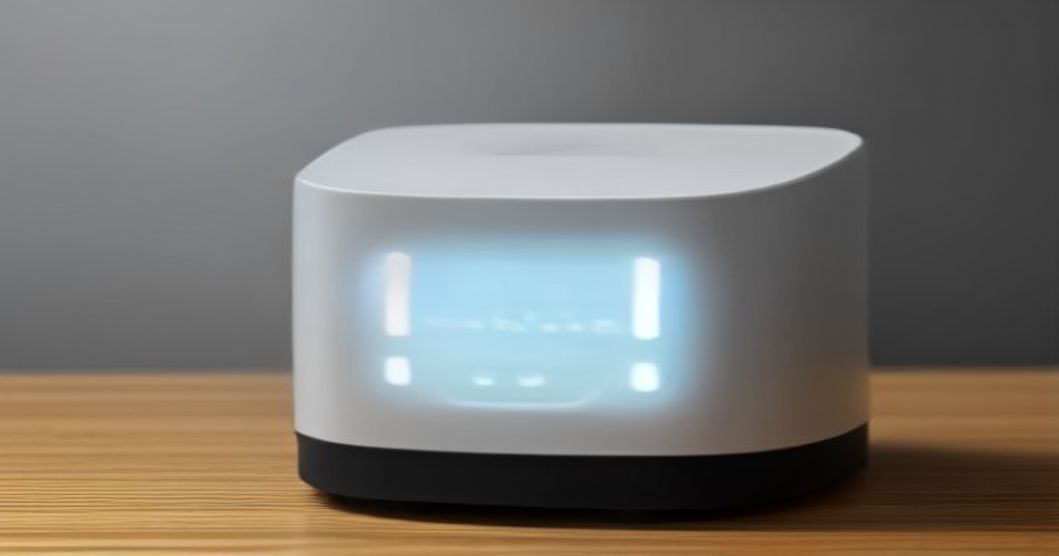
What to Look For in a Moisture Sensor Feeder
Sensor sensitivity and thresholds. Check if the feeder lets you adjust the humidity threshold or if it’s factory-set. If it’s locked at one setting and your home naturally runs high humidity, you might get false alerts constantly. A customizable threshold is a bonus.
Alert types. Does the feeder notify you via an app, an audible beep, an LED light, or all three? If you’re at work all day, a smartphone notification is crucial. A beep-only alert won’t help you if you’re eight hours away.
Wet and dry compartments. Some feeders have separate zones for wet and dry food. A feeder with a moisture sensor on only the wet section is fine, but dual sensors (one for each compartment) offer more complete protection.
Battery life and recharging. Sensors drain battery faster than simple mechanical feeders. A feeder that runs for weeks on batteries is better than one that needs daily charging. Check reviews for real-world battery performance; manufacturer claims are often optimistic.
Ease of cleaning. Moisture sensors are another surface where food residue can hide. Pick a feeder where the sensor is accessible and easy to wipe down without special tools. I cannot stress this enough: a poorly cleaned sensor will give false readings within a month.
Size and portion capacity. Make sure the wet food compartment holds enough for your cat’s typical meal without being so large that spoilage becomes a problem before the cat finishes. Smaller compartments with more frequent meals are generally safer.
Real Failure Points Owners Report
Moisture sensor feeders are not perfect. Here are the snags I’ve heard about most often:
Sensor false positives in tropical or very humid climates. If your home is naturally above 70% humidity (common in Florida, Hawaii, or monsoon-adjacent areas), the sensor might stay in alert mode constantly. One workaround: pair the feeder with a cheap dehumidifier in the room where the feeder sits. Another: adjust the feeder’s alert threshold if the model allows it.
Food residue blocking the sensor. If you don’t clean the sensor regularly, bits of food or mineral deposits from tap water will create a layer between the sensor and the actual environment. It stops working. Set a calendar reminder to clean it every 3–5 days, just like you’d scrub a regular food bowl.
Battery drain surprises. Some owners report that the sensor features drain batteries two to three times faster than the manufacturer advertised. Always have spare batteries on hand, or opt for a model with a rechargeable dock.
Limited app reliability.” A few models depend on a phone app for alerts, and users report the app crashing, losing connection, or not updating notifications in real time. Always test the connectivity during your initial setup, and don’t assume the app will save you if your home WiFi is spotty.
Sensor cannot distinguish between condensation and actual spoilage. A moisture sensor tells you the compartment is humid, but it can’t taste the food or analyze bacterial load. It’s a warning system, not a guarantee. Use it as a tool to prevent spoilage, not as a substitute for your own judgment.
When a Moisture Sensor Feeder Makes Sense (and When It Doesn’t)
A moisture sensor automatic feeder is ideal if:
- Your cat eats mostly wet food and you want to automate portions throughout the day.
- You live in a humid climate or a sealed, climate-controlled home.
- Your cat is senior or has a sensitive stomach, and food spoilage is a real health concern.
- You work long hours and can’t hand-feed at regular intervals.
- You’ve had problems with wet food going bad in regular feeders before.
A moisture sensor feeder might be overkill if:
- Your cat eats dry kibble only (moisture is not an issue).
- You live in a naturally dry climate and your home runs low humidity.
- You’re willing to hand-feed or use a simple gravity feeder.
- Your cat eats small meals and finishes portions quickly (under 30 minutes).
- Budget is tight—a basic automatic feeder costs significantly less.
Practical Setup and Maintenance Tips
If you decide to go with a moisture sensor feeder, here’s how to set yourself up for success:
Choose the right location. Place the feeder away from windows, air vents, and external walls. These spots experience the most temperature and humidity swings. A corner of the kitchen, away from the AC vent, is ideal. Stable microclimate = more reliable sensor readings.
Load fresh food only. Never put left-over food from yesterday back into the feeder. Even if it looks okay, bacteria may have already started growing. Always refill with freshly opened food from a sealed container.
Set realistic portion sizes. Load only what your cat will eat in 1–2 hours. The sensor is a safety net, not permission to leave wet food out all day. If your cat is a grazer, consider a dry-food-only feeder or hand-feed wet meals.
Test the sensor and alerts in the first week. Deliberately create a humid environment (run a hot shower nearby) and see if the sensor triggers. Verify that you receive the app notification or hear the alarm. This tells you the system works before you rely on it.
Clean the sensor weekly. Use a soft, slightly damp cloth to gently wipe the sensor area. Do not soak the feeder or use harsh chemicals. Once a month, do a deep clean by disassembling removable parts and washing them by hand.
Monitor the logs. If the feeder stores humidity data, check it weekly. If you notice humidity creeping toward the alert threshold every afternoon, it’s a sign that your feeder location needs adjustment or your home needs better ventilation.
How Sensor Feeders Compare to Related Options
If you’re exploring alternatives, here are the main competitors:
Standard automatic feeders without sensors. Cheaper upfront, but no protection against spoilage. You rely entirely on timing and your own inspection. Works fine for dry food or very disciplined dry-food-only schedules, but risky for wet food.
Rotatable carousel feeders. These cycle through multiple compartments, keeping each one sealed until it’s time to eat. Great for portion control and preventing spoilage, but they don’t monitor humidity. If a compartment is loaded and not eaten, moisture can still accumulate. For more detail, see our guide on best automatic cat feeders with rotatable carousels for portion control under $150.
Scheduled meal alert feeders. These notify you when it’s time to feed, but you still hand-serve the food. They eliminate the spoilage problem entirely (fresh food every time) but require your presence at home. If you want automation without worrying about moisture, this is the safest middle ground. Learn more in our breakdown of automatic cat feeders with scheduled meal alerts to stop overfeeding senior cats.
Anti-jamming feeders. These prevent the bowl from getting stuck or knocked over, but they don’t address moisture or spoilage. Useful if your cat is a food-bowl basher, but not a replacement for a moisture sensor. For details, check our article on best automatic cat feeders with anti-jamming mechanisms to stop bowl knockovers.
The Bottom Line
An automatic cat feeder with a moisture sensor is an investment in your indoor cat’s health and your peace of mind. The sensor won’t solve every problem—you still have to keep it clean, place it wisely, and use good judgment about portion sizes—but it removes the biggest failure point: wet food spoiling in a humid compartment while you’re at work.
If your cat eats wet food, if you live in a humid climate, or if you’ve dealt with food spoilage before, a moisture sensor feeder is worth the extra cost. Set it up properly, test it in the first week, and you’ll have years of hassle-free, safe automated feeding. Your cat will be happier, your vet bills will be lower, and you’ll never again wonder if that smell is normal or a warning sign.
A moisture sensor feeder is one of the smartest upgrades for indoor cats eating wet food. Choose a model with customizable alerts, clean the sensor regularly, and place the feeder in a stable microclimate. Your cat’s meals will stay fresh, and you’ll know exactly when something’s wrong.
Disclosure
This article contains affiliate links to Amazon. As an Amazon Associate I earn from qualifying purchases. We may earn a small commission if you click through and make a purchase, at no extra cost to you. This helps support our research and keeps our guides free.