Best Automatic Cat Feeders with Rotatable Carousel: Portion Control Under $150 for 2026
Disclosure: This post may contain affiliate links. We may earn a commission on qualifying purchases at no extra cost to you.
Your cat has trained you well. Every morning at 5:47 a.m., she sits by her bowl and screams until you shuffle in and pour kibble. You’ve tried ignoring her. That didn’t work. You’ve tried giving her smaller portions throughout the day. That lasted two days. Then you discovered automatic feeders, and suddenly the idea of portion-controlled meals on a schedule sounded like sanity.
But here’s the thing: not every automatic feeder works the same way. A rotatable carousel feeder—with its promise of precise portions and multiple meals pre-loaded—sounds perfect in theory. In practice, these devices have failure points that real pet owners know about. Jammed mechanisms. Cats gaming the system. Food going stale. Power outages leaving your cat hangry. Before you spend $100–150 on one, you need to understand what actually works and what’s going to frustrate you within a month.
A rotatable carousel feeder is worth the investment if your cat needs precise portion control and you’re tired of early-morning feeding demands. Look for models with a locked cover, stainless-steel carousel tray, and at least a 30-minute minimum time-lock between meals. Under $150, you’re balancing build quality with price—cheaper models jam; pricier ones often add features you won’t use. The real deal-breaker: cats that paw at feeders need extra anti-tamper design.
Why a Carousel Feeder, and What You’re Really Buying
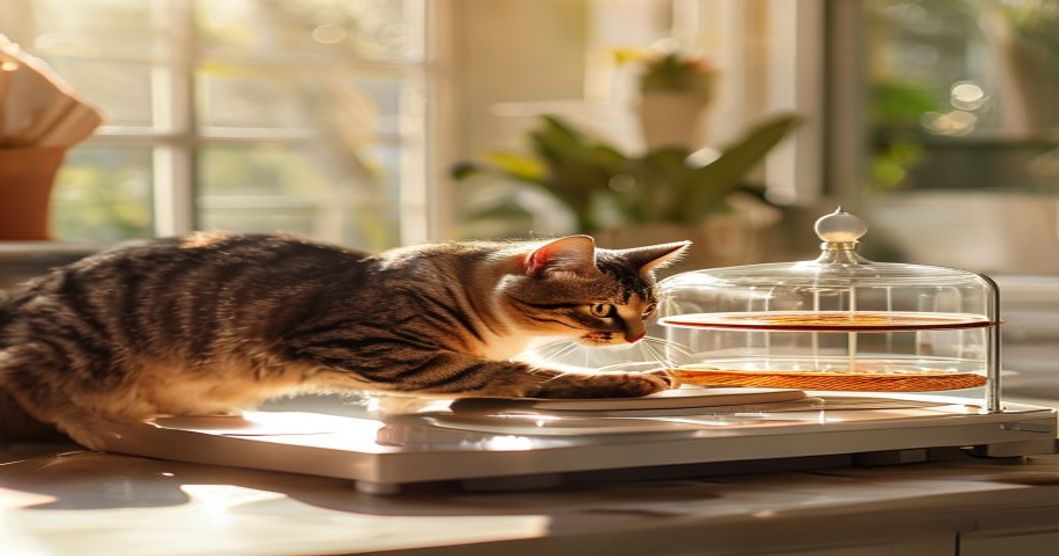
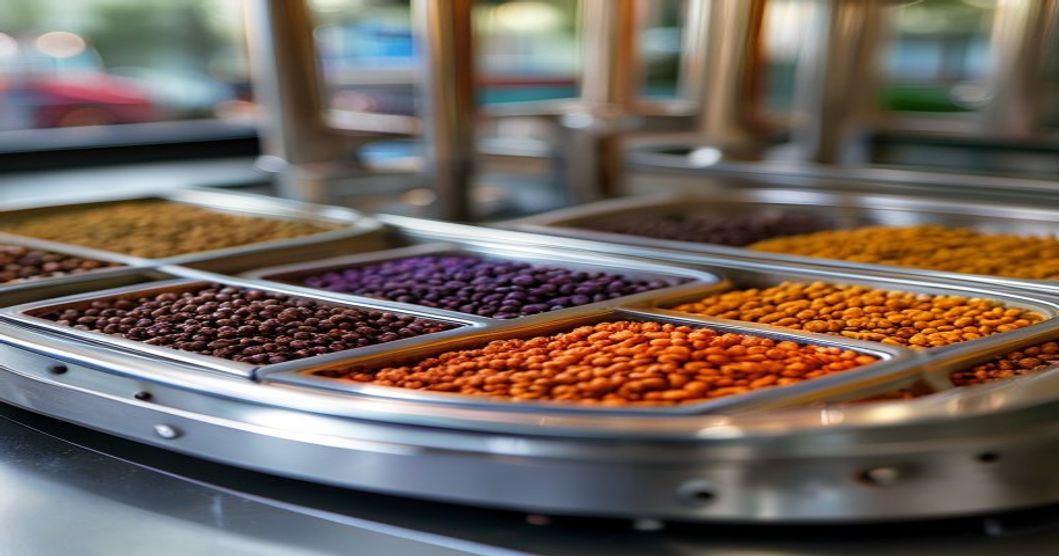
Let’s be honest about what a rotatable carousel feeder does and what it doesn’t. It’s not magic. It’s a motorized tray with multiple compartments that spin to position different pre-loaded meals at a dispensing port. You load it once, program the times, and the motor handles the rotation. Your cat eats from the bowl positioned in front, and the mechanism advances to the next compartment at the scheduled time.
Here’s why owners choose this over a standard automatic feeder: portion precision. A carousel doesn’t measure kibble by weight or volume—it holds a pre-portioned meal in each slot. You fill the compartments yourself, so you control exactly how much food goes into each meal. That matters if your cat has been diagnosed with weight management issues, diabetes, or if she’s on a medication that requires meal timing. You’re not trusting the feeder’s measuring accuracy; you’re trusting your own portioning.
The second reason: convenience without the guilt. Feeding on a schedule stops the 5 a.m. screaming, but it also prevents overeating. A single cat can eat two or three small meals spaced throughout the day instead of one or two larger meals. That’s actually closer to how cats hunt and eat in the wild. You’re not just silencing your cat; you’re improving her digestion and metabolism.
The Common Failure Points (What Owners Actually Complain About)
Before diving into specific models, let me walk you through the trap doors that catch most people. These aren’t theoretical—they’re the reasons owners post frustrated reviews.
Jamming and Stuck Compartments
Kibble dust, humidity, and oils from fish-based food create a thin layer inside the carousel tray. Over time, this buildup causes the rotation mechanism to stick or skip. You wake up and find last night’s meal still sitting there, or the carousel rotated twice and served double portions. Cheap feeders with plastic gears jam even faster than metal ones. The fix: weekly cleaning and a feeder with stainless-steel or coated compartments, not bare plastic.
Cats Learning to Game the System
Smart cats (and aren’t they all?) figure out that pawing, head-butting, or shaking the feeder sometimes triggers an early meal or spills kibble. If your cat is already food-motivated or has a habit of batting at bowls, a carousel feeder without a lockable cover is going to drive you crazy. Some models have a weight sensor that only dispenses if the bowl is empty, but that doesn’t stop the paw-and-spill problem.
Food Freshness and Staleness
Kibble oxidizes. If you load a carousel with five meals and one sits in the bowl uneaten for hours, it loses freshness. This matters less with sealed compartments but becomes an issue if the feeder doesn’t have a cover or if your cat is a slow eater. Some owners report their cats refusing stale kibble even though the food is fine nutritionally.
Power and Battery Reliability
Battery-powered feeders work great until they don’t. A drained battery doesn’t send you a heads-up; you just come home to an angry cat. Plug-in feeders with battery backup are safer, but you need to test that backup system yourself before trusting it. A brief power outage can throw off meal timing, and if your cat is on a strict medical schedule, that’s a real problem.
What Actually Makes a Carousel Feeder Worth $100–150
You could buy a carousel feeder for under $60 from a marketplace seller. I’m going to tell you why that’s usually a mistake, and what you gain by spending more.
First: build quality. A feeder in the $100–150 range typically has a stainless-steel or powder-coated carousel tray instead of bare plastic. Metal doesn’t trap moisture or oil residue the way plastic does. The rotation mechanism uses better gears—usually metal or reinforced polymer instead of thin plastic that strips after a few months of daily use. You’re paying for something that will last two years instead of eight months.
Second: reliability. Better feeders have a minimum 30-minute time-lock between meals, which prevents your cat from gaming the system by pawing repeatedly. They also have a motorized lock or latch that keeps the cover in place between feeding times, so even an enthusiastic paw can’t knock the tray off balance. Cheaper models skip these features to cut costs.
Third: customer support and documentation. A brand in the $100–150 range usually has a return policy and customer service. Budget brands? Good luck finding a phone number. If something breaks or the timer stops working, you need to know you can get help.
You’re not paying for luxury features—heated bowls or Wi-Fi integration. You’re paying for a feeder that solves the core problem (precise portions on a schedule) without driving you up the wall after the first week.
Key Features to Look For When Comparing Models
When you’re narrowing down options, here’s what to actually evaluate:
- Stainless steel or coated carousel tray
- 4–6 compartments (more options for meal times)
- Minimum 30-minute lock between meals
- Motorized cover or latch
- AC power with battery backup
- Clear portion markings on compartments
- Easy-to-clean design (removable tray)
- At least a 1-year warranty
- Bare plastic carousel tray
- Only 2–3 compartments
- No time-lock (any delay between meals)
- Battery-only power source
- Unclear documentation or no customer service info
- Non-removable tray (hard to clean)
- Heavy reviews mentioning jamming
- Extremely low price with new brand
Honest Guidance: Who This Solves For (and Who It Doesn’t)
A rotatable carousel feeder is a smart buy if:
- Your cat has been diagnosed with obesity or diabetes and needs strict portion control.
- Your cat wakes you up for breakfast, and you’re willing to invest to break that cycle.
- You work long hours and want to ensure your cat eats multiple small meals instead of one big bowl.
- Your cat takes medication that needs to be coordinated with meals.
- You have multiple cats and need separate feeding schedules for each.
A carousel feeder is not a good fit if:
- Your cat eats a combination of wet and dry food (wet food will spoil and jam the mechanism).
- Your cat is underweight or has a medical condition requiring unrestricted food access.
- Your cat is a notorious troublemaker who will spend hours trying to break into it.
- You live in an area with frequent power outages.
- Your budget is truly tight and a basic bowl works fine for your lifestyle.
- You travel frequently and need someone else to refill and manage the feeder regularly.
Setup and Maintenance: Making It Work Long-Term
Once you’ve picked a model, here’s how to keep it running smoothly.
Placement matters. Position the feeder away from walls, furniture, or anything your cat can use as leverage to push or shake it. A corner is tempting for your cat but terrible for the feeder—it makes paw-gaming easier. Open floor space, away from other bowls or litter boxes, is ideal. If you have dogs, put the cat feeder somewhere the dog can’t reach; shared feeders are a recipe for chaos.
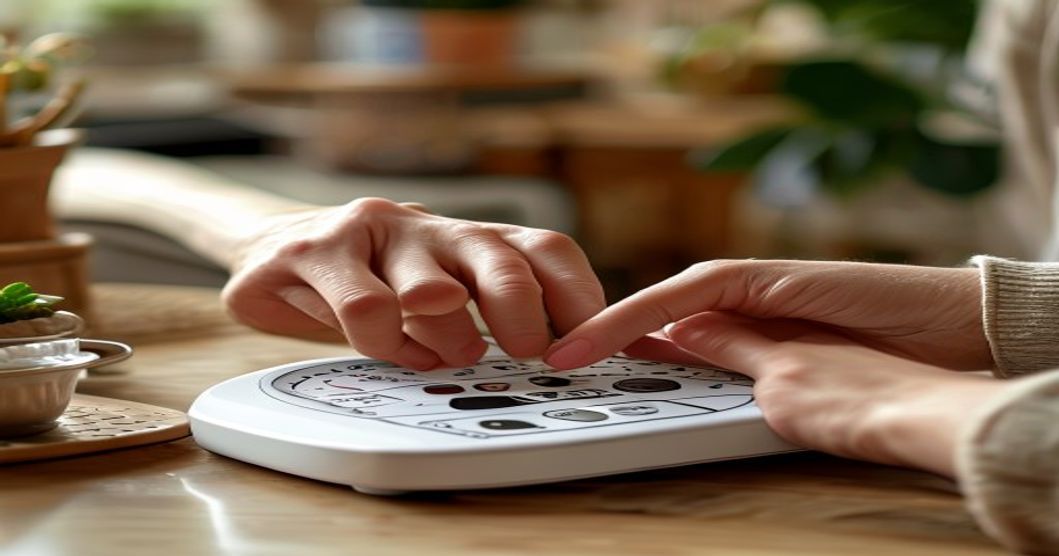
Portioning during setup. Measure your cat’s daily calorie needs first. Talk to your vet if you’re unsure. Then divide that into the number of meals you want per day. Write it down. When you fill the carousel for the first time, it’s easy to overfill a compartment. Consistency matters more than eyeballing it.
Cleaning schedule. Empty and wash the carousel tray every 3–5 days (or weekly, depending on kibble type and humidity). Use warm soapy water and dry it completely. Wipe the motor housing and dispensing port with a damp cloth—never submerge electric parts. If you skip this, buildup will jam the mechanism within a month or two.
Testing the backup system. If your feeder has a battery backup, test it before you rely on it. Unplug it for a few hours and confirm the backup kicks in and dispenses a meal. Mark this test date in your phone so you remember to repeat it every few months.
Monitoring food freshness. Check the bowl between feeding times. If your cat didn’t finish the last meal, remove uneaten kibble before the next portion drops. This prevents staleness and stops your cat from eating old food mixed with fresh kibble.
Related Resources for Automatic Feeders
If you’re exploring automatic feeders, you might also want to check out these related guides to help narrow your options based on specific needs:
- Automatic Cat Feeder With Scheduled Meal Alerts: Stop Overfeeding Senior Cats in 2026 is a great resource if your older cat needs precise timing.
- Best Automatic Cat Feeder with Anti-Jamming Mechanism: Stop Bowl Knockovers for Good in 2026 focuses on durability and feeder-resistant design.
- Best Automatic Cat Feeders with Voice Recognition for Multiple Cats in 2026 covers multi-cat household setups.
The Bottom Line
A rotatable carousel feeder under $150 is worth the investment if your cat needs portion control and a feeding schedule. The key is picking a model with stainless-steel parts, a motorized lock, and a solid warranty—not just the cheapest option. Once you have it set up, commit to weekly cleaning and monitor the backup power system. You’re not buying a luxury gadget; you’re buying peace of mind and better cat health. Test it with your cat’s behavior patterns in mind, and don’t hesitate to return it if jamming or gaming becomes a problem within the first month. Your cat might learn to love the routine faster than you expect.
Affiliate Disclosure
This article contains affiliate links. If you purchase through these links, I may earn a small commission at no extra cost to you. As an Amazon Associate I earn from qualifying purchases. This helps support the site and allows me to continue creating honest, researched pet product guides.