Best Automatic Cat Feeders with Voice Recognition for Multiple Cats in 2026
Disclosure: This post may contain affiliate links. We may earn a commission on qualifying purchases at no extra cost to you.
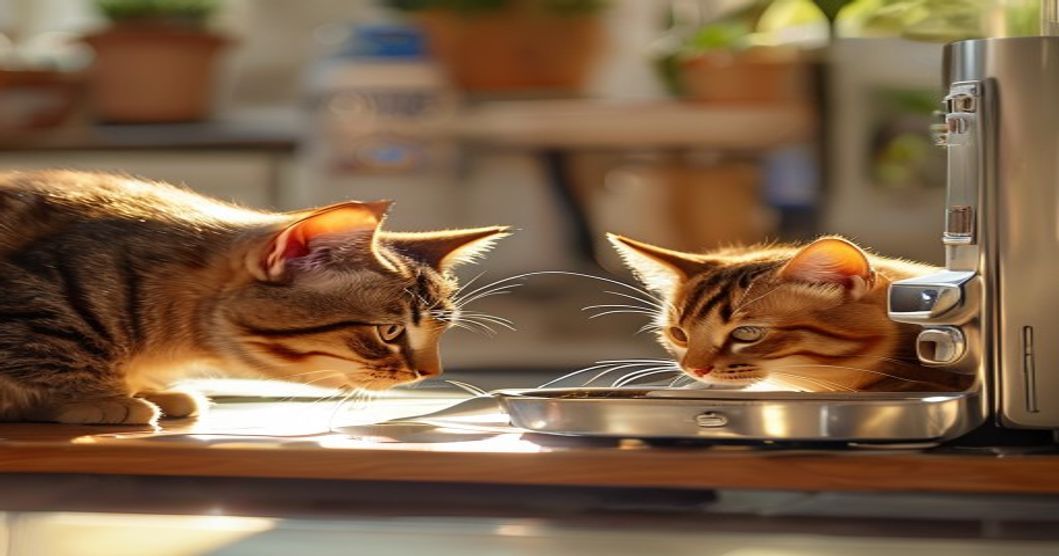
If you have multiple cats with different diets—or one cat that bullies the others at mealtime—an automatic feeder with voice recognition is a game-changer. These smart units listen to each cat’s unique meow and dispense food only for that cat, stopping stealing and preventing accidental overfeeding. The catch: they’re pricier, require training time, and fail spectacularly if the voice recognition doesn’t calibrate correctly.
Voice recognition feeders work best for households with 2-3 cats that have distinct meows and a quiet, consistent feeding environment. If your cats sound alike, live in a chaotic home, or one cat refuses to wear an RFID collar, a simpler RFID-only model or compartmentalized manual feeder may be more reliable.
Top Picks for Multi-Cat Voice Recognition Feeders
Top Pick
Uses both voice recognition and RFID collar tags as a failsafe. If voice fails to recognize one cat, the RFID kicks in. Best for owners who want the smartest recognition but don’t want a total feeder meltdown if the mic acts up.
Check Current Prices on Amazon →
Best Value
Pure voice recognition without collars. Relies entirely on meow patterns. More affordable than hybrid models, but requires quiet surroundings and perfect training. Great for households with 2-3 cats that have noticeably different meows and less background noise.
Premium Choice
Larger capacity with 4-6 compartments, faster recognition response, and superior voice clarity microphone. Built-in redundancy: if power drops, battery backup prevents all compartments unlocking. Best for households with more than 3 cats or owners who can’t afford feeder downtime.
How Voice Recognition Feeders Compare by Type
| Type | Primary Recognition | Best For | Drawback |
|---|---|---|---|
| Voice-Only | Meow pattern analysis | Quiet homes, distinct cat voices | Fails if cats sound similar or home is loud |
| RFID-Only | Collar tag identification | Cats that tolerate collars well | Some cats slip or lose collars; no voice element |
| Hybrid (Voice + RFID) | Both meow and collar tag | Any household, highest reliability | Most expensive option |
| Infrared Detection | Pet body heat and size | Preventing raccoon access (also cats) | Less precise for multi-cat homes; easier to fool |
Notice that voice-only feeders are the cheapest but highest-risk for homes where cats have similar meows or where background noise is present. A dog barking, kids playing, or even a washing machine running can confuse the microphone during mealtimes. This is why many experienced multi-cat owners lean toward hybrid systems, even if they cost more upfront.
Common Owner Complaints and What to Watch For
Before you buy, read owner reviews on one point that manufacturers downplay: what happens when the voice recognition fails. Here’s what real owners report:
The Training Period Is Longer Than Expected
Many units claim 2-week training, but owners report needing 3-6 weeks before accuracy reaches 90%. During that time, cats might get fed twice, or a cat might trigger the wrong compartment. If you’re managing a diet-sensitive cat, this is stressful. Test the training phase with a few trial meals and monitor each cat’s portions carefully.
Power Loss = Feeder Chaos
If your home loses power or WiFi drops, some models default to unlocking all compartments at once. Your food-aggressive cat can eat all the meals intended for the week. Always confirm the feeder has a battery backup (usually 24-48 hours) and that it defaults to locked compartments, not open ones, during power loss.
Microphone Sensitivity Issues
A feeder’s microphone can pick up phantom sounds: a cat sneezing, a bird chirping outside, even a squeaky toy. This occasionally triggers an unwanted dispense. The more expensive models have better noise-filtering software. Cheaper units trigger false positives more often. Check if there’s a manual override button and how easily you can disable the voice feature temporarily (for instance, during a loud move or renovation).
RFID Collar Comfort Issues
If you choose a hybrid or RFID-only model, some cats hate wearing the collar even if it’s lightweight. They slip out of it, hide under the bed, or develop stress behaviors. Before committing to an RFID feeder, test your cat’s tolerance to collar-wearing for a few weeks. If they struggle, a voice-only model might be less stressful, despite the lower accuracy.
- Stops cats from stealing each other’s food, especially useful for medicated or special-diet cats
- Reduces portion-control headaches; the feeder portions automatically
- Allows you to set up schedules (multiple meals per day) without manual intervention
- Works without WiFi on some models, reducing dependency on internet uptime
- App control lets you override or adjust portions remotely if needed
- Voice recognition can fail if cats have similar meows or home is noisy
- Power or WiFi loss can cause feeder to malfunction (especially if no battery backup)
- Requires consistent training phase; early errors frustrate owners and cats
- RFID collars may stress some cats; not all cats tolerate them
- Higher price point ($150-400) compared to basic automatic feeders ($30-80)
- Mechanical jams or microphone failures can take weeks to diagnose and repair
Who This Is For—and Who Should Skip It
Perfect For
- Multi-cat homes with diet conflicts: If you have a cat on prescription food while others eat regular kibble, this prevents accidental cross-feeding
- Cats with vastly different meows: A tiny kitten and a deep-voiced adult will be easy for the feeder to distinguish
- Quiet, stable homes: Minimal background noise and consistent WiFi mean better accuracy
- Food-motivated or obese cats: Automatic portioning prevents grazing and overfeeding
- Owners who travel occasionally: Set up schedules in advance and monitor portions remotely
Not Ideal For
- Very similar-sounding cats: Two young tabby females with identical meows will confuse the feeder constantly
- Loud households: Families with kids, dogs, or frequent background noise will see frequent false triggers
- Cats that resist collars: If using an RFID model and your cat panics at collar-wearing, pick voice-only or skip voice recognition entirely
- Unreliable internet or frequent power outages: A system that fails when WiFi drops is worse than a manual feeder
- Budget-conscious buyers: If you’re torn between a $350 voice feeder and a $60 basic model, the basic feeder is often sufficient for simpler situations
- Cats with special needs: If your cat requires wet food, raw, or freeze-dried diets, stick with manual or time-based automatic feeders designed for those foods
Setup and Training: What Owners Need to Know
The first week with a voice recognition feeder is critical. Here’s the real process, not the glossy marketing version:
Days 1-3: Unbox and do a full system test without food. Check WiFi connectivity, battery charge, and microphone sensitivity. Most units let you adjust mic sensitivity in the app—start at 50% and tune upward if it’s missing triggers.
Days 4-7: Begin voice training in the quietest part of your home, ideally early morning or late evening when other household noise is minimal. Each cat meows once (or more) while you record the sample. The feeder stores the voice profile. Don’t expect 100% accuracy yet; some models need 3-5 sample recordings per cat to build a robust profile.
Week 2-4: Run the feeder with food, but supervise meals. Watch which cat triggers which compartment. If one cat is getting the wrong food, manually re-record that cat’s voice sample in a different environment or increase the sensitivity threshold. This is tedious but essential.
Week 5+: Once accuracy stabilizes above 90%, you can step back and let it run unsupervised. Even then, spot-check portions and monitor your cats’ weight and energy levels—some feeders under-portion or over-portion subtly.
If your home is naturally noisy (kids, other pets, traffic), you may need to use a hybrid feeder with RFID backup, because voice recognition alone won’t be reliable enough for daily use. Don’t expect it to work perfectly in a chaotic environment.
Maintenance and Longevity
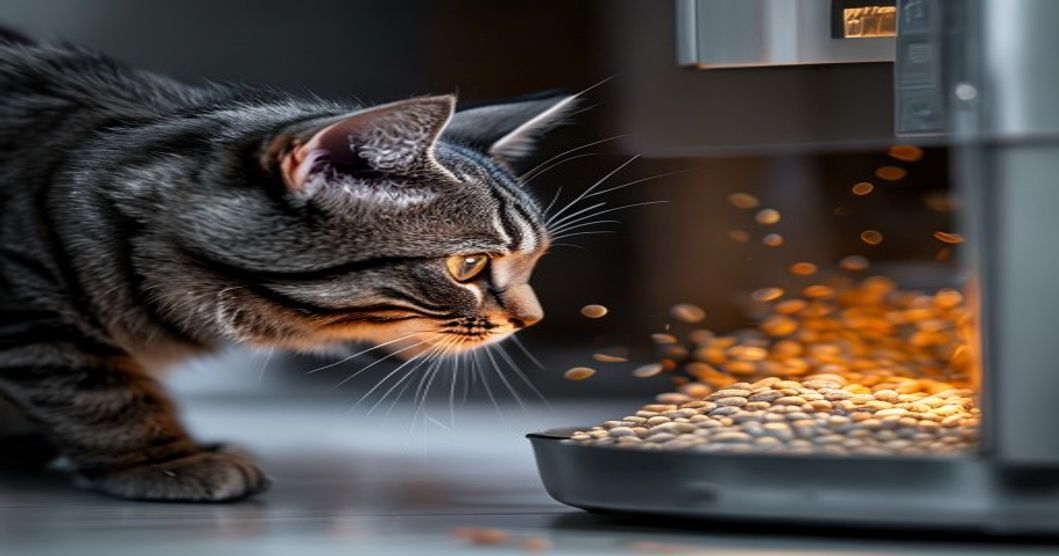
A voice recognition feeder is a small appliance with moving parts and electronics. Here’s what to watch:
Microphone cleaning: Dust and cat hair clog the microphone port within 2-3 months. Use a soft brush or cotton swab weekly. If the feeder starts missing voice triggers, the mic is probably dirty. Clean before calling customer support.
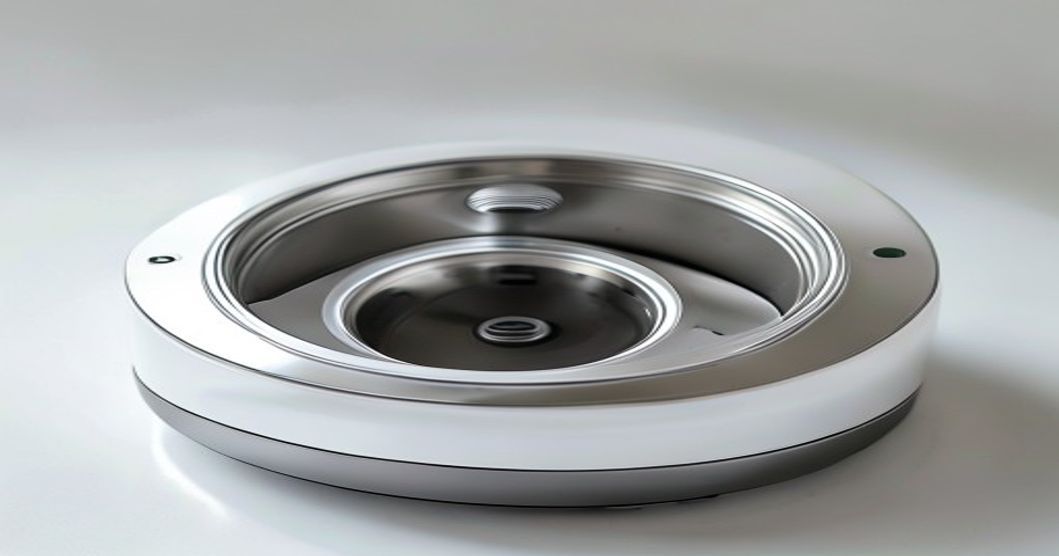
Food chute jamming: Kibble dust and small bits can jam the rotating compartment. Disassemble and clean the chute monthly. Some models have stainless steel chutes (easier to clean) while others use plastic (more prone to sticking). Check the product specs.
Battery degradation: If the feeder has a battery backup, it’ll lose capacity over time. After 18-24 months, test the backup by unplugging the unit during a scheduled meal. If it only lasts 8 hours instead of 48, the battery is aging.
WiFi module reliability: Some owners report WiFi modules failing after 12-18 months, even if the feeder still works mechanically. If remote app control stops working, try factory reset. If that fails, the module likely needs replacement (often $50-150 through the manufacturer).
Buy from a brand with a 2-year warranty and responsive customer support. Feeder issues can literally go wrong during your vacation.
Related Reading for Multi-Cat Households
If you’re managing multiple cats with different needs, also check out our guide on automatic cat feeders with infrared pet detection to stop raccoons, which covers hybrid recognition systems that prevent outdoor pests while serving your indoor cats. We also recommend reviewing automatic cat feeders with freeze-dry food compartments for picky eaters if your cats have texture or digestion preferences that simple kibble feeders can’t handle.
For households managing medicated or special-diet cats, read our article on pet allergy medication safety and recalls—especially the section on cross-contamination risk when multiple cats eat from the same feeder.
A voice recognition feeder is worth the investment if you have 2-3 cats with clearly different meows, live in a quiet home, and need strict portion control due to diet or weight issues. The hybrid voice + RFID model is the safest bet because it handles voice recognition failures gracefully. If your household is loud, your cats sound identical, or you’re uncertain whether the training phase will work, save the money and use a simpler RFID-only or compartmentalized manual feeder instead. The best automatic feeder is the one you’ll actually use reliably, not the fanciest one that fails when you need it most.
Check Current Prices on Amazon →
Affiliate Disclosure: This article contains affiliate links. We may earn a commission if you make a purchase through these links at no additional cost to you. As an Amazon Associate I earn from qualifying purchases. All recommendations are based on research into product specs, user reviews, and real-world reliability concerns reported by cat owners—not on commission amounts.