Best Automatic Cat Feeders with Freeze-Dry Food Compartments for Picky Eaters in 2026
Disclosure: This post may contain affiliate links. We may earn a commission on qualifying purchases at no extra cost to you.
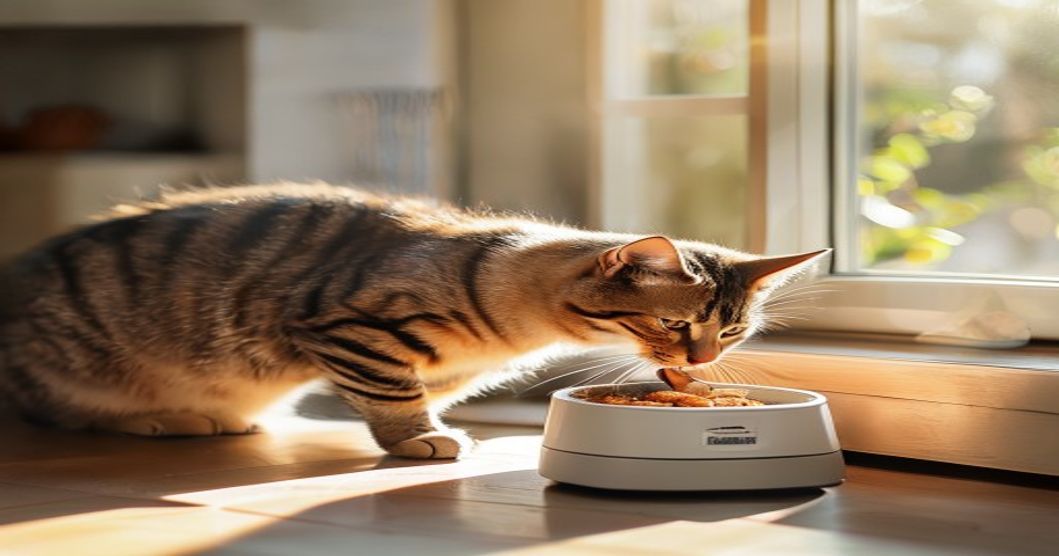
Your cat sits in front of the food bowl, sniffs it, and walks away. Again. You’ve switched kibble brands three times in two months, spent a small fortune on premium options, and watched your picky eater turn her nose up at every single one. Sound familiar?
I’ve heard this story from dozens of cat owners, and the real problem isn’t always the food—it’s that cats are creatures of habit and texture. Standard automatic feeders dispense kibble on a schedule, which is great for portion control but useless if your cat won’t eat what’s in the bowl. That’s where dual-compartment feeders with freeze-dried food sections come in. They let you offer variety without constant manual intervention, mixing what your cat actually wants to eat with what you want her to have.
Automatic feeders with freeze-dry compartments work best for picky eaters when you pair them with gradual introduction and realistic portion expectations. The freeze-dried option provides flavor and texture that often wins over finicky cats, but success depends on your specific cat’s preferences and willingness to try new foods.
Why Picky Cats Reject Standard Feeders
Before we talk about solutions, let’s understand the problem. Picky eaters aren’t being difficult on purpose—they’re reacting to texture, smell, moisture content, or temperature. Standard kibble is hard, uniform, and lacks the rich protein aroma of fresh or freeze-dried meat. Cats evolved eating prey, not compressed grain-based pellets. That sensory gap is real.
A standard automatic feeder solves the timing problem but doesn’t solve the “my cat won’t eat this” problem. You end up with stale kibble sitting in the bowl, your cat going hungry or demanding hand-fed meals, and you back to square one. Freeze-dried food compartments address this because freeze-dried meat has an intense smell and crumbly texture that mimics prey more closely than kibble alone.
What Makes Freeze-Dried Compartments Different
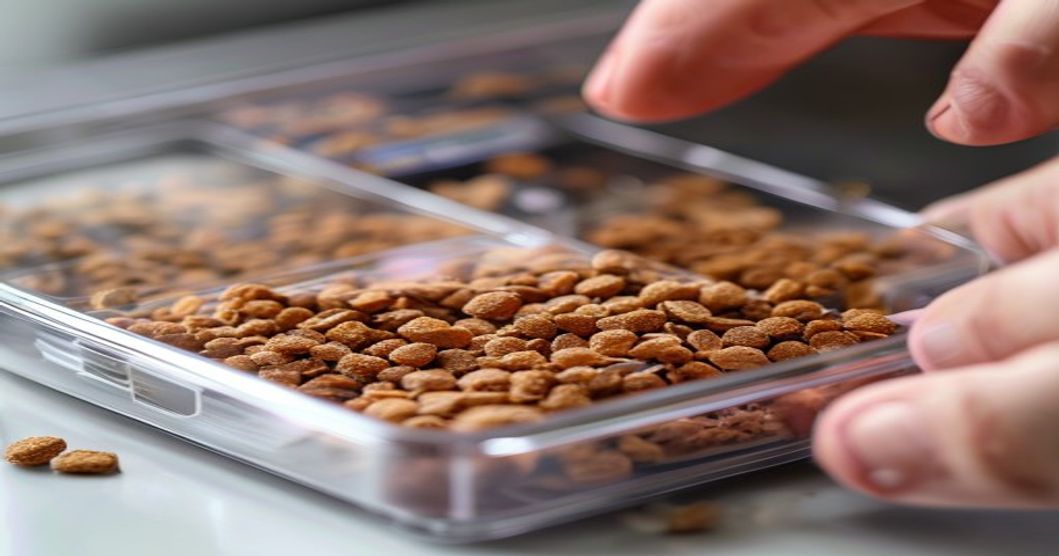
Freeze-drying removes moisture from raw meat while preserving nutrients and aroma. The result is lightweight, shelf-stable, and highly palatable. A feeder with a dedicated compartment for freeze-dried pieces lets you offer two food types in one scheduled meal, which means:
- Texture variety — soft crumbles mixed with crunchy kibble appeals to picky cats who reject one or the other.
- Stronger scent — freeze-dried meat smells much more like food to a cat’s nose than kibble does alone.
- Gradual transition — you can start with more freeze-dried, then slowly increase kibble ratio as your cat accepts it.
- No refrigeration needed — freeze-dried stays good at room temperature, unlike wet food, so it’s safe in an automatic feeder.
The catch: freeze-dried costs more per ounce than kibble. A full feeder might cost 2-3 times what you’d spend on dry food alone. But if it means your cat actually eats and stays healthy, most owners say it’s worth it.
The Reality Check: Common Failure Points
Pet owners report several issues that aren’t always obvious until you buy one. Knowing them upfront saves frustration.
Compartment design matters. Some dual-compartment feeders have poor seals between sections, so kibble dust migrates into the freeze-dried chamber or moisture from humidity causes clumping. Check reviews specifically mentioning seal tightness and ease of cleaning. A compartment that’s hard to access or clean gets neglected, and that’s when problems start.
Portion size settings aren’t always flexible enough. Your picky cat might eat 2 tablespoons of freeze-dried per meal but 1/4 cup of kibble. If the feeder only lets you set portions in large increments or dispenses both compartments equally, you can’t fine-tune. Before buying, check whether you can adjust each compartment independently.
Freeze-dried goes stale faster once exposed to air. Even though it’s shelf-stable, once a piece is exposed in an open feeder bowl, it starts absorbing moisture from the environment. If your cat takes 30 minutes to eat or eats throughout the day, the freeze-dried pieces soften and lose appeal. Consider a model with a lid or cover over the bowl, or check whether the feeder can dispense into a covered container.
Not all freeze-dried foods are created equal. Some are higher quality and more palatable than others. If your cat rejects the freeze-dried pieces, it might be the specific brand or protein source, not the concept. Salmon, chicken, and turkey freeze-dried options vary widely. Ask the feeder manufacturer which brands/sources they’ve tested with picky eaters, or buy the feeder first and experiment with different freeze-dried foods separately before committing to a brand match.
Setting Up a Feeder for a Picky Eater
Buying the feeder is only half the battle. How you introduce it makes the difference between success and having an expensive planter sitting on your kitchen floor.
Start by offering both foods in a regular bowl—no feeder yet. Let your cat explore the freeze-dried pieces on her own terms. Some cats dive in immediately; others sniff and leave it for hours. That’s normal. Once your cat is eating freeze-dried willingly in a static bowl, introduce it through the feeder on a very short schedule—maybe one meal per day, dispensed in a room where she feels safe and can eat without pressure.
Keep portions small at first. A cat that doesn’t usually eat much at once may feel overwhelmed by a full feeder bowl. Small, frequent meals also let you observe whether she’s actually eating or just picking. If she ignores the freeze-dried pieces, try a different brand or protein source before assuming the concept won’t work.
Consistency matters more than perfection. If you set the feeder for twice daily and it dispenses at 8 a.m. and 6 p.m., stick to that. Cats thrive on routine, and a reliable schedule can actually make a picky eater more willing to try new food because she knows another meal is coming soon. There’s less anxiety about whether this bowl is safe to eat.
How Freeze-Dry Feeders Fit Into a Broader Plan
A dual-compartment automatic feeder isn’t a magic solution for a cat that hasn’t eaten in days or has underlying dental or digestive issues. If your cat has a medical condition, see your vet first. This feeder works best for behaviorally picky eaters—cats that *could* eat a wider diet but choose not to.
Think of it as one tool in a toolkit. Some owners pair an automatic feeder with hand-feeding special treats, occasional wet food in a separate bowl, and scheduled play before meals to trigger appetite. Others use it to maintain portion control while offering freeze-dried as a reward or mix-in. The feeder is the consistent, hands-free part; you’re still involved in observation and adjustment.
Also consider that transitioning a picky cat to any new food takes patience—sometimes 4-6 weeks or longer. If you’re hoping an automatic feeder will flip a switch overnight, reset expectations. What it *will* do is make it easier to stick with a feeding schedule and offer variety without manual work.
Comparison: Freeze-Dry vs. Other Feeder Types
If you’re weighing whether a freeze-dry compartment feeder is right for you, here’s how it stacks up:
| Feeder Type | Best For | Cost | Maintenance |
|---|---|---|---|
| Kibble only | Budget-conscious owners, non-picky cats | $25–$80 | Easy; simple cleaning |
| Wet/dry dual-chamber | Cats that prefer soft food, mixed diets | $100–$250 | Moderate; wet food needs cooling |
| Freeze-dry compartment | Picky eaters, texture preference, no cold storage needed | $80–$180 | Moderate; compartment seals important |
| Slow-feed or puzzle feeder | Fast eaters, behavioral enrichment | $30–$120 | Easy; mechanical, no electricity |
A freeze-dry compartment feeder sits in the middle: more expensive than basic kibble feeders but cheaper than refrigerated wet-food models, and it doesn’t require the constant refilling or cooling that wet-food feeders demand. The trade-off is that freeze-dried food itself costs more per meal, and you’re still managing ingredient sourcing.
Honest Pros and Cons
- Highly palatable; strong appeal to picky cats
- Shelf-stable; no refrigeration needed
- Allows texture mixing in one meal
- Hands-free scheduling reduces daily effort
- No prep time like wet food requires
- Portion control prevents overfeeding
- Higher cost per meal than kibble alone
- Compartment seals can trap moisture or dust
- Freeze-dried pieces go stale if exposed too long
- Requires trial-and-error with different brands
- Mechanical failures can leave cat without backup
- Not a slow-feed solution for gulpers
Who This Feeder Is—and Isn’t—For
This feeder is a good fit if:
- Your cat rejects standard kibble but you’ve confirmed she eats freeze-dried meat when offered separately
- You travel occasionally and want scheduled meals while you’re gone
- Your cat needs portion control but refuses the same bowl day after day
- You prefer not to refrigerate wet food or deal with daily wet-food prep
- Your home stays at stable temperature and humidity (less moisture creeping into compartments)
- You’re willing to invest in trial-and-error with different freeze-dried brands
This feeder is NOT a good fit if:
- Your cat has a medical condition or eating disorder requiring vet-supervised meals
- You expect it to work immediately without a gradual introduction period
- Your cat eats so fast that exposure time causes food to spoil (consider slow-feed alternatives)
- Your budget is tight—the cumulative cost of feeder plus freeze-dried food adds up quickly
- You live in a very humid climate where compartment moisture is a persistent problem
- You’re away for weeks at a time (even a large hopper has limits)
- Your cat has no interest in freeze-dried meat when tested in a regular bowl first
Making the Investment Work
Before you buy, spend $20-30 on a small bag of freeze-dried cat food and test it in a regular bowl. If your cat ignores it, a fancy feeder won’t change her mind. If she devours it, then you’ve found a tool worth using.
Once you commit to a feeder, give it at least 2-3 weeks of consistent use. Your cat needs time to adjust to the schedule and the new texture pairing. Keep notes on what she eats, what she leaves, and any changes in appetite or digestion. This data helps you fine-tune portions and brands.
Check Amazon or other retailers for current models and verified owner reviews. Look specifically for comments about compartment tightness, ease of cleaning, and whether picky eaters actually ate from it. Real owner experiences trump marketing claims every time. And if a model has more complaints about moisture or mechanical failures than praise, skip it—there are better options.
Also read the Best Pet Food Storage Containers guide to understand how to store bulk freeze-dried food properly once you buy it, and check out the dual-chamber feeder comparison if you want to explore wet-and-dry options as well. Some owners find that a combination approach—a freeze-dry compartment feeder for dry meals plus occasional hand-fed wet food—works better than relying on the feeder alone.
Common Questions About Freeze-Dry Feeders for Picky Eaters
Owners often ask whether their cat will accept this setup, how long transition takes, and whether it’s really necessary. Here’s what I’ve heard most often:
“Won’t my cat just eat the freeze-dried pieces and ignore the kibble?” Maybe. Some cats do pick out the freeze-dried and leave the rest. That’s why portion control is key—if the feeder dispenses a small amount of freeze-dried mixed with larger kibble pieces, some cats will eat both rather than leave the bowl empty. Others will wait for the next meal. The key is consistency: don’t supplement with hand-feeding if she rejects the bowl, or you’ll teach her to hold out for better options.
“How long until a picky cat accepts a new food?” Typically 3-6 weeks if you’re introducing both kibble and freeze-dried simultaneously. Cats are creatures of habit, and the combination of a new texture, a new taste, and a new feeding device takes time to process. Some cats come around in days; others need months. Patience is non-negotiable.
“Is a freeze-dry feeder better than just hand-feeding?” It depends on your lifestyle. Hand-feeding gives you complete control and the ability to monitor intake closely, which is ideal if your cat has underlying health issues. An automatic feeder is better if you want to reduce daily effort or you’re away part of the time. Most owners use both—hand-feeding special meals or rewards and the automatic feeder for routine scheduling.
An automatic feeder with a freeze-dry compartment can be a game-changer for picky eaters—but only if your cat actually enjoys freeze-dried meat and you’re willing to stick with a gradual introduction. Test the freeze-dried food first in a regular bowl, choose a feeder with a tight compartment seal, and commit to at least 2-3 weeks of consistent use before deciding whether it works. The cost is higher than a basic kibble feeder, but for owners tired of food rejection and wasted meals, it’s often worth the investment. Start small, observe carefully, and adjust as you learn your cat’s preferences.
Explore Options on Amazon →
Final Thoughts
Your picky cat probably won’t change her nature overnight, and that’s okay. What an automatic feeder with freeze-dry compartments does is remove the daily guessing game and give you a consistent, low-effort way to offer food she’s more likely to eat. It’s not magic, but it’s practical—and for many owners, that’s enough to turn mealtime from a source of frustration into something manageable.
Affiliate Disclosure: This article contains affiliate links to Amazon. As an Amazon Associate I earn from qualifying purchases. I may earn a commission if you click and buy, at no additional cost to you. I only recommend products and resources I believe are genuinely useful for pet owners. Thank you for supporting this site.