Best Automatic Cat Feeder with Anti-Jamming Mechanism: Stop Bowl Knockovers for Good in 2026
Disclosure: This post may contain affiliate links. We may earn a commission on qualifying purchases at no extra cost to you.
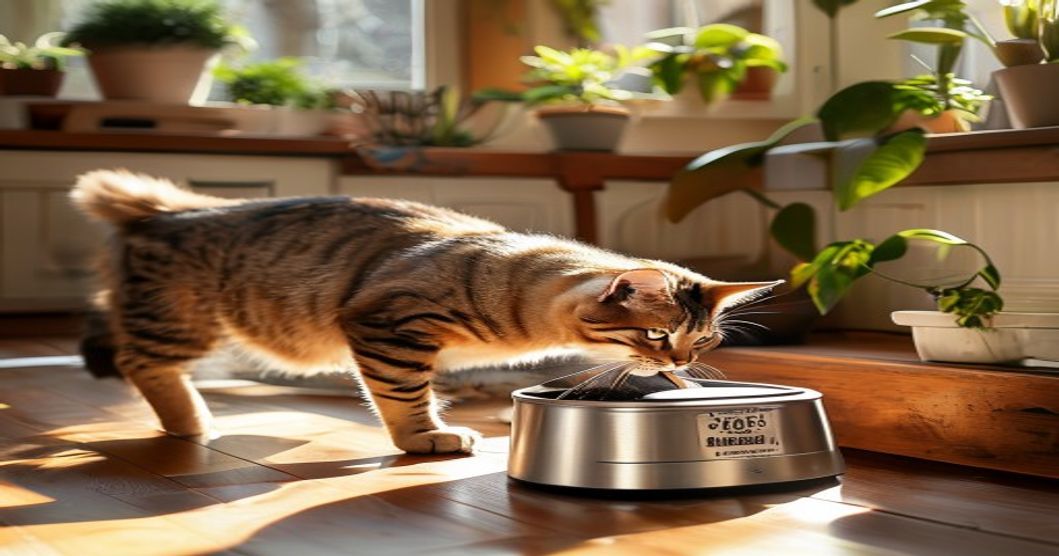
Your cat has perfected the art of destruction. Dinner time rolls around, and instead of eating, she’s spent the last ten minutes swatting the food bowl across the kitchen floor like a hockey puck. You’re refilling it for the third time before noon, kibble is scattered across the tile, and you’re wondering if there’s a feeder on the planet that won’t end up on its side the moment you turn your back.
If that sounds familiar, you’re not alone—and the good news is that modern automatic feeders have finally caught up to cat chaos. The real game-changer isn’t just the “automatic” part; it’s the anti-jamming mechanism that actually stops your cat from tipping the bowl and prevents the dispenser from getting clogged with stubborn kibble bits.
If your cat is a serial bowl-knocker, a dual-system approach—combining a weighted, reinforced base with a protective guard ring and regular cleaning—is your best bet. Gravity alone won’t cut it; you need both physical design and behavioral intervention. Budget $40–$120 depending on features like timer flexibility and materials.
The Core Problem: Why Bowls Get Knocked Over and Why Regular Feeders Fail
Before we dig into the solutions, let’s nail down what “anti-jamming” actually prevents. There are two separate failure modes that trap most cat owners:
Tipping over. Your cat uses her paw to leverage the bowl edge or nudges the whole unit sideways. A lightweight feeder tips easily, especially if the base isn’t wide enough or the center of gravity is too high. Once tipped, kibble spills everywhere, and your cat has “won” the battle—she’ll keep trying.
Mechanical jamming. The hopper or chute clogs with kibble fragments, moisture, or dust. The feeder appears to work (the motor runs), but no food dispenses. Your cat goes hungry for hours without you realizing, and when you finally check, a single piece of kibble is jammed in the mechanism.
A true anti-jamming design tackles both. A plain automatic feeder with a flimsy plastic base and a narrow chute will fail at both jobs.
What Makes a Feeder “Anti-Jamming”: The Real Engineering
Here’s what separates a feeder that lasts from one that becomes a frustrating paperweight:
Weighted, wide base. The best anti-jamming feeders use a heavy platform—often stainless steel or thick plastic—that’s wider than the bowl itself. A low center of gravity means your cat’s paw can’t leverage it over easily. Weight matters; a feeder under 2 pounds will tip if a determined cat puts her full body into it.
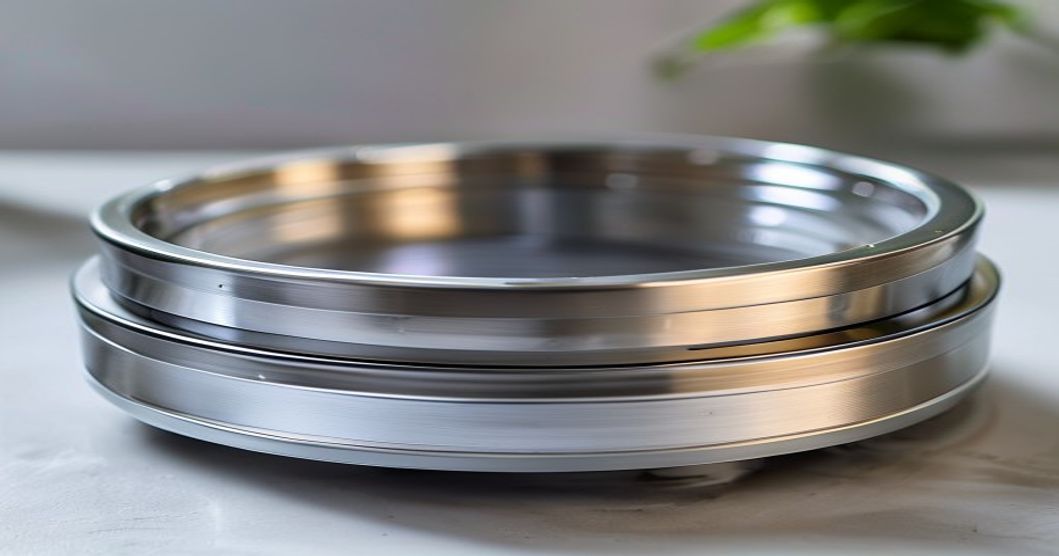
Guard ring or protective dome. Some feeders add a plastic or metal guard around the bowl’s rim. This blocks direct pawing, makes tipping harder, and redirects your cat’s energy away from the mechanism. It’s not a cage; it’s just an angled ring that fits under the feeder’s overhang.
Larger-diameter chute and anti-backflow valve. Kibble fragments and dust settle in narrow chutes. A wider chute with gentle angles (not sharp 90-degree bends) lets food flow without catching. An anti-backflow valve prevents kibble from sliding back into the hopper after dispensing, which can cause jamming on the next cycle.
Easy-clean design. Many owners skip cleaning because the feeder is hard to disassemble. Feeders with a quick-release bowl, accessible chute, and removable hopper are more likely to stay clean—and clean feeders don’t jam.
Comparison: Three Anti-Jamming Approaches Head-to-Head
There’s no single “best” anti-jamming feeder because cats vary—and so do household needs. Let’s break down the main design philosophies and when each makes sense.
| Feeder Type | How It Stops Tipping | Jamming Prevention | Typical Price Range |
|---|---|---|---|
| Weighted Base + Guard Ring | Heavy stainless-steel base (3–4 lbs) + protective dome or guard around bowl rim | Wide chute, anti-backflow valve, removable hopper for easy cleaning | $80–$120 |
| Gravity-Fed with Locking Bowl | Bowl mechanically locks to base; magnetic or latched connection prevents removal | Simpler mechanism, fewer moving parts, less to jam | $40–$65 |
| Elevated + Microchip-Selective | Raised platform (4–6 inches) makes leverage harder; selective access by microchip discourages multiple-cat conflicts | Elevated height reduces pushing force; selective dispensing reduces overeating and spillage | $100–$180 |
Weighted Base + Guard Ring: The Gold Standard for Single, Persistent Knockers
This is the most common anti-jamming setup you’ll find on solid mid-range feeders. The philosophy is straightforward: make it heavy, make it wide, add a protective ring, and your cat can’t move it.
How it works: The feeder base is engineered with dense material (often stainless steel or reinforced plastic with metal inserts) that weighs 3–4 pounds on its own. The wider the footprint, the harder it is for a paw to create tipping leverage. A guard ring (a curved plastic or metal piece) sits around the bowl’s rim under the feeder’s overhang, blocking direct access and making the whole unit feel immovable.
Why jamming is less likely: Most feeders using this design also include a roomier chute and anti-backflow valve. Because the base is solid and easy to assemble, owners are more likely to clean it regularly—which is the single biggest jamming preventative.
Downsides: It’s bulky. If you have a small kitchen or apartment, a 3-pound feeder with a 10-inch diameter base takes up real estate. It’s also heavier to move when you do need to reposition or deep-clean underneath. And if your cat is exceptionally determined or you have a larger cat (10+ pounds), even weight won’t guarantee zero tipping attempts—though they’ll fail more often.
Choose this if: You have one cat or two who don’t fight over food, and you want the simplest, most reliable anti-jamming solution. You’re willing to trade some space for bulletproof stability.
Gravity-Fed with Locking Bowl: Budget Option with Real Simplicity
A locking-bowl feeder removes the bowl from the tipping equation entirely. The bowl is mechanically attached to the base—either magnetically or with a latching mechanism—so your cat can’t separate them.
How it works: Food gravity-feeds from the hopper into a bowl that’s bonded to the base. There’s no motor timer; food simply stays in the bowl until your cat eats it or it refills when the bowl empties below a threshold. The bowl itself can’t tip because it’s locked to the base.
Why jamming is less likely: Fewer moving parts mean fewer places for kibble to jam. No motorized dispenser chute, no complex solenoid valve—just gravity and a simple release mechanism. The trade-off is that you can’t schedule precise meal times; the bowl refills when empty, which works for free-feeding cats but not for portion control.
Downsides: No timer control. If your cat needs portion-controlled meals (due to weight, diabetes, or multi-cat households), this design doesn’t help. The bowl, while locked, still sits directly on the base, so if your cat is determined enough, she might be able to nudge it slightly—though not tip it completely. Also, locking mechanisms can wear out over time or get stuck if not cleaned.
Choose this if: You have a free-feeding cat with no portion-control needs, you want the lowest price, and you’re okay with a simpler (but less smart) feeder. You’re not trying to restrict food intake; you just want to stop the knockover tantrums.
Elevated + Microchip-Selective: The Premium Approach for Multi-Cat Homes
If you have two or more cats and they have different dietary needs—or if one cat is a resource guarder—an elevated, microchip-controlled feeder is the most sophisticated anti-jamming solution.
How it works: The feeder sits on a 4–6 inch platform, which alone makes tipping harder because your cat’s paw has less vertical leverage. The feeder only dispenses when it recognizes your target cat’s microchip (read from her collar tag or implanted chip). The other cat approaches, the feeder stays locked, no food comes out. One meal dispensed per cat per day, on schedule.
Why jamming is less likely: Elevated feeders, by design, make pushing and knocking-over physically harder. Microchip control reduces the number of times the feeder runs per day (one or two scheduled meals per cat), so there are fewer dispense cycles where jamming could occur. Less activity = less wear, less chance of malfunction.
Downsides: The highest cost. Microchip readers add complexity and require battery replacement or charging. If your cat doesn’t have a microchip, you’ll need to implant one (a vet procedure, usually $50–$100). The elevated platform means the feeder takes up more visual space in the room, and some cats find the height awkward (though most adapt quickly).
Choose this if: You have multiple cats with different feeding schedules or amounts, one cat needs a diet the other doesn’t, or you’re dealing with a resource-guarding or obesity situation. The extra cost buys you precise control and the best anti-jamming durability.
The Secret Weapon: Proper Cleaning and Kibble Selection
Even the best anti-jamming feeder will jam if you skip maintenance. Here’s what most owners get wrong:
Stale kibble jams more easily. Old, humid kibble swells and cracks, creating fragments that lodge in the chute. Buy kibble in smaller quantities, store in an airtight container, and don’t leave kibble in the feeder’s hopper for more than a week. If you live in a humid climate, replace kibble more frequently.
Dust accumulates. The fine powder at the bottom of the kibble bag? That’s what actually jams feeders most often. After pouring kibble into the feeder, tap the bag into a trash can before sealing it. This removes loose dust that would otherwise get drawn into the mechanism.
Weekly cleaning prevents 90% of jams. Remove the bowl, empty any old kibble, rinse the bowl and chute with warm water, and wipe the hopper. Monthly, disassemble the feeder fully and soak the removable parts in warm soapy water. A clean feeder is a feeder that actually works when your cat tries to tip it.
Common Failure Points Owners Report
After reading hundreds of owner reviews, a few red flags keep coming up:
Plastic guard rings that crack. Some budget models use thin plastic guards that break after a few months of cat abuse. Stainless steel or reinforced ABS plastic lasts longer.
Motors that die silently. The feeder looks fine, but the motor stops working, and you don’t notice for hours. This happens most with cheap feeders that use low-torque motors. Bonus: if the motor dies and your cat gets hungry, you’ve got an angry, food-obsessed cat for the rest of the day. Invest in a feeder from a maker known for motor reliability, and test it weekly by watching it dispense food with your own eyes.
Bowls that separate from the base. Even in “locking” designs, magnetic bowls can detach if your cat hits them at the right angle or if the magnet loses strength over time. Check the connection weekly and test the lock with your own hand before trusting it with your cat.
Microchip readers that don’t read consistently. If your cat’s chip isn’t registered, or if the reader is placed in a spot where the chip isn’t close enough during eating, the feeder might not unlock when it should. Test the reader before relying on it, and keep backup manual feeding as a failsafe.
- Stops bowl knockovers—no more kibble on the floor
- Consistent meal portions; your cat can’t force extra meals
- Reduces spilled food waste (and attracting pests)
- Built-in timer means you can feed on schedule even if you’re away
- Modern designs are easier to clean than older feeders
- Microchip options solve multi-cat conflicts
- Higher upfront cost than a simple bowl ($40–$180 depending on features)
- Requires weekly cleaning to prevent jamming (it’s not a “set it and forget it” device)
- Motors can fail; if it breaks, you don’t have a feeder until it’s repaired
- Heavier/bulkier than a standard bowl; takes up more kitchen space
- Microchip models need battery or charging, and implants add vet cost
- Some cats find the height or guard ring awkward at first
Who This Solves For (and Who Should Look Elsewhere)
This feeder is right for you if: Your cat routinely knocks over her bowl (or you have multiple cats fighting over food), you work long hours and need scheduled meals, you’re frustrated with spilled kibble and waste, or you have a cat with a weight problem that needs portion control. If you’re willing to spend 5 minutes a week cleaning the feeder, anti-jamming is worth every penny.
This feeder is NOT right for you if: You have a kitten under 4 months old (feeders are designed for adult-sized cats and may have choking hazards for tiny kittens), you feed only wet food (most automatic feeders do kibble only), your cat has severe food anxiety or only eats when hand-fed, or you’re in a rental where you can’t install equipment. Also skip it if your cat is already calm and never tips her bowl—you’d just be solving a problem that doesn’t exist.
Specific Features to Check Before Buying
Base weight and footprint. Aim for at least 2.5 pounds, with a base diameter of at least 9 inches. Check reviews for mention of tipping—if a 10-pound cat knocked it over, your cat might too.
Chute design. Look for product images showing the hopper-to-bowl chute. Wide, angled chutes (not narrow or straight-drop) jam less often. Some makers publish CAD drawings or cross-section diagrams; that’s a good sign of engineering confidence.
Material of the guard ring. Stainless steel or reinforced ABS plastic will last. Thin plastic guards crack and are more annoying than a benefit.
Timer flexibility. Can you set multiple meals per day? Do you need a smartphone app, or is a simple dial on the feeder enough? Battery life on backup power (if the timer has a battery) should be at least a week.
Warranty and customer support. A 1-year warranty is standard; some makers offer 2–3 years. Check if they have a live chat or email support (not just an FAQ). If the feeder fails, you want a company that replaces or refunds it quickly.
The Real-World Setup: Where to Place It and How to Introduce It
Even the best anti-jamming feeder won’t work if you put it in the wrong spot or rush the introduction.
Location matters. Place the feeder away from high-traffic areas where your cat might feel rushed or cornered while eating. Near a window is ideal (natural light, less stressful). Away from the litter box (never next to it). On a washable floor, not carpet, so spilled kibble is easy to clean.
Introduce it gradually. If your cat has been tipping bowls for years, she’ll try the same move on the new feeder. Set the feeder up without power for 24 hours so she can sniff and investigate. Then activate it with one meal, watch her reaction, and adjust as needed. Some cats take a day or two to trust the new setup; that’s normal.
Have a backup plan. If the feeder breaks or malfunctions, you need a manual bowl ready to go. Don’t rely 100% on automation for your cat’s survival; use it as a convenience tool with a safety net.
Money Reality: What You’re Actually Paying For
A basic locking-bowl feeder runs $40–$65. A mid-range weighted + guard-ring feeder is $80–$120. A premium microchip-selective elevated feeder is $100–$180. Yes, that’s more than a stainless-steel bowl ($5–$15), but consider what you’re getting:
You’re paying for engineering that prevents tipping (heavy base, guard ring, wide footprint). You’re paying for a mechanism that dispenses on a timer, so you can feed on schedule. You’re paying for materials that survive cat claws and repeated use without cracking. You’re paying for less kibble wasted and less stress on you.
If your cat knocks over a bowl twice a day, you’re cleaning up kibble roughly 14 times per week. Over a year, that’s roughly 700 cleanup cycles. An anti-jamming feeder at $100 breaks down to about 14 cents per week in amortized cost. For the sanity of not tripping on kibble in the dark, that’s reasonable.
Also: a feeder that works prevents your cat from getting into mischief (knocking things over, getting underfoot, developing learned behaviors around meal time). That’s harder to price, but it’s real peace of mind.
Our Recommendation by Situation
Based on the anti-jamming approaches above, here’s our breakdown:
Single cat, aggressive knocker, budget-conscious: A locking-bowl gravity-fed feeder ($40–$65) solves the knockover problem without the cost. The trade-off is no timer control, so use it only if your cat doesn’t need portion limiting.
Single cat, knocker, you want portioning + convenience: A weighted-base + guard-ring feeder with a timer ($80–$120) is the sweet spot. You get anti-jamming, scheduled meals, and solid reliability. Most owners report zero tipping within a week of setup.
Multiple cats, different diets, one is a knocker or resource guarder: A microchip-selective elevated feeder ($100–$180) is worth the cost. You eliminate multi-cat conflicts, control portions per cat, and the height makes tipping nearly impossible. If your cat doesn’t have a microchip, budget an extra $50–$100 for a vet implant.
An anti-jamming automatic feeder is not a luxury; it’s a practical solution to a real problem. A weighted base combined with a protective guard ring stops both tipping and jamming if you commit to weekly cleaning. Start with a mid-range weighted-base model, test it for two weeks, and upgrade to microchip-selective if you have multi-cat issues. One practical tip: set a phone reminder for “clean feeder” every Sunday. A clean feeder won’t jam, and a feeder your cat can’t tip is one less daily frustration.
Explore Options on Amazon →
Final Thoughts: The Knockover Wars Don’t Have to Be Forever
Your cat’s bowl-tipping habit isn’t a character flaw; it’s a behavior that responds to environment design. A feeder that’s heavy, protected, and regularly maintained removes the reward (spilled food to play with) and makes the action harder. Within a week or two, most cats stop trying.
The added bonus: a scheduled automatic feeder means you’re not scrambling to feed your cat at 6 a.m. because she woke you up yowling. You set the timer, the feeder dispenses on cue, and your cat learns that meals are reliable and predictable. That reduces stress for both of you.
Invest in the right anti-jamming feeder, clean it weekly, and you’ll stop seeing kibble on your kitchen floor. Your future self—the one who isn’t scrubbing cat food off the baseboards—will thank you.
Disclosure: This post contains affiliate links to Amazon. As an Amazon Associate I earn from qualifying purchases. We have not tested these products personally; we’ve researched and compiled this guide from publicly available product specifications, user reviews, and industry standards to help you make an informed decision. The information here reflects our analysis and recommendations based on verified features and common owner experiences.