Best Automatic Cat Feeder with Portion Control for Diabetic Cats: A Complete Guide
Disclosure: This post may contain affiliate links. We may earn a commission on qualifying purchases at no extra cost to you.
Here’s a mistake I see cat parents make all the time: they buy a fancy automatic feeder because it looks convenient, then set it up without really understanding how portion accuracy affects their diabetic cat. Then, three weeks in, they’re frustrated because their cat’s blood glucose is all over the place, and they’re not sure if it’s the food, the feeder, or the insulin dose. The feeder becomes another thing to blame instead of a tool that actually helps.
Why Portion Control Matters So Much for Diabetic Cats
Diabetes in cats is different from what many people assume. Most diabetic cats don’t have a broken pancreas—they have metabolic problems tied directly to diet and weight. When you feed a cat inconsistent portions, or portions that are too large, blood sugar swings wildly. Your cat’s insulin becomes harder to time correctly, and your vet can’t dial in the right dose because the blood-glucose readings keep jumping around.
Consistent meals at the same times each day, with portions matched to your vet’s recommendations, actually help some cats enter diabetic remission. I’ve heard from multiple cat owners whose vets were able to reduce or even stop insulin after months of stable, controlled feeding. That doesn’t happen by accident—it happens because the feeder is rock-solid reliable.
An automatic feeder with genuine portion control (not just a timer that dumps food randomly) gives you that consistency. It removes the guesswork of “did I scoop the right amount this morning?” and creates a predictable routine that your cat’s body can adapt to.
What “Portion Control” Actually Means in a Feeder
Not all automatic feeders have real portion control. Some just have a timer and a big hopper—they dump whatever comes out each time the door opens. That’s not useful for a diabetic cat.
True portion control means the feeder has one of these mechanisms:
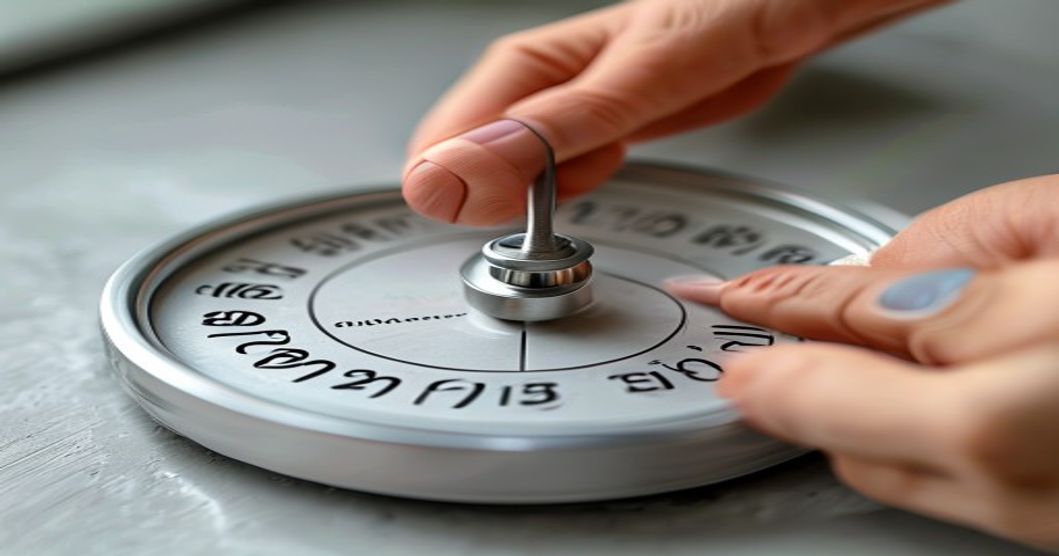
- A dial or slider with marked portion sizes that physically limits how much food drops into the bowl. You set it to a specific amount (like 1/4 cup or 0.5 cup) and it dispenses exactly that, every time.
- A rotating carousel or grid system with individual compartments pre-filled with exact portions. You load each meal ahead of time, and the feeder rotates to open one compartment per scheduled meal.
- Weight-based dispensing (less common, more expensive) that uses sensors to measure food by weight rather than volume.
The dial or marked-portion system is the most common and reliable for home use. Look for feeders where you can clearly see and adjust the portion setting, and always test it with your actual food before depending on it.
How to Choose the Right Feeder for Your Diabetic Cat
Step 1: Get Your Vet’s Meal Plan in Writing
Before you shop for a feeder, sit down with your veterinarian and document exactly what your cat needs:
- Daily calorie target
- Meal size per feeding (in cups, ounces, or grams)
- Number of meals per day (usually two for diabetic cats)
- Meal timing in relation to insulin injections
- Preferred food type (dry kibble, wet food, prescription diet)
Write this down. Don’t rely on memory. Your feeder settings should match these numbers exactly.
Step 2: Verify the Feeder Handles Your Food Type
Most automatic feeders work with dry kibble only. Wet or prescription canned food often doesn’t flow reliably through portion mechanisms, and it spoils if left in a bowl for hours.
If your vet recommends wet food (which some diabetic cats manage better on), you have a few options:
- Hand-feed wet meals and use an automatic feeder only for dry meals
- Look for refrigerated feeders that keep wet food fresh
- Ask your vet if a high-quality dry prescription diet could work instead
Don’t force dry food into a feeder if your cat’s health plan calls for wet. Consistency with your vet’s recommendation beats convenience every time.
Step 3: Test Portion Accuracy Before Full Commitment
This step separates responsible pet parents from people who get frustrated. When your feeder arrives, do this:
- Set it to your cat’s prescribed portion size using your actual food (same brand, same kibble size).
- Activate it 5 times and measure each dispensed portion with a kitchen scale or measuring cup.
- Check that all 5 portions match your target. Expect them to be within 5–10% of the target, but not wildly off.
- If portions vary by more than 10–15%, the feeder isn’t reliable enough for a diabetic cat. Return it.
- If portions are consistent, leave it inactive and feed your cat manually for 3–5 days while your cat gets used to eating from it.
- Only then program the timed feeding and monitor your cat’s response.
I know this takes patience. But testing prevents the nightmare of realizing weeks later that your feeder was overfeeding by 20% and that’s why your cat’s insulin schedule fell apart.
Step 4: Choose a Feeder Design That Matches Your Cat’s Personality
Some cats are picky. They dislike plastic bowls, or they spill food easily, or they’re nervous about the mechanical sound of the feeder opening. A technically perfect feeder is useless if your cat won’t use it.
Consider these design factors:
- Bowl material: Stainless steel or ceramic bowls are easier to clean and often preferred by cats over plastic.
- Noise level: Does the feeder beep or make a loud mechanical sound? Some cats are startled by this; others don’t care.
- Bowl height: A slightly elevated bowl can reduce neck strain for older or arthritic cats and prevents some spilling.
- Design footprint: Does it fit where you want to place it? Is it stable or tippy?
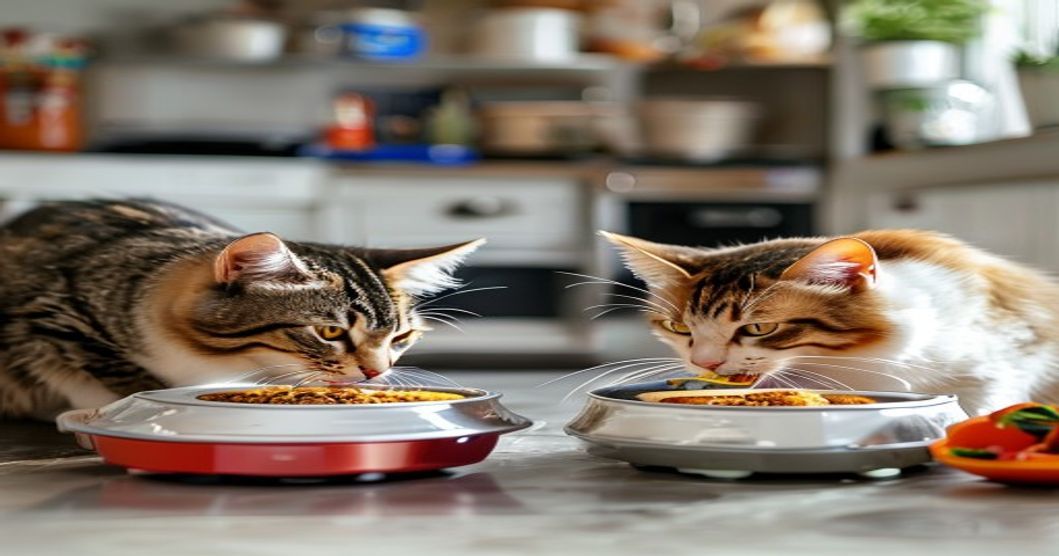
If you have multiple cats, consider a feeder that isolates portions or a placement plan that prevents other cats from stealing portions meant for your diabetic cat.
Setting Up Your Feeder for Success
Once you’ve tested the feeder and your cat accepts it, follow this setup process:
- Program meal times to align with insulin injections. If your vet injects insulin at 8 a.m. and 8 p.m., schedule meals to start a few minutes after, so your cat eats when insulin is active.
- Set portion size exactly as your vet specified. Measure this twice. Don’t eyeball it.
- Use fresh food. Fill the hopper with kibble only a few days’ worth at a time, especially in warm or humid climates. Old kibble can lose nutrients and palatability.
- Clean the feeder and bowl daily. Residual food attracts bacteria and spoils, and your cat may refuse to eat from a dirty bowl.
- Monitor your cat’s intake. Watch to confirm your cat eats the full portion. If your cat leaves food uneaten, this changes the equation—tell your vet before adjusting the feeder.
- Keep a feeding log. Note the times meals were dispensed, whether your cat ate them fully, and any behavioral changes. Share this with your vet at checkups.
A motor jam, a partially closed flap, or a clogged portion mechanism can cause your feeder to stop dispensing or to dispense incorrectly without any obvious signs. You might not notice for days, and meanwhile your cat’s blood glucose goes haywire. Check your feeder visually every few days. Confirm portions are being dispensed. If something seems off, revert to hand-feeding immediately and troubleshoot the feeder.
Red Flags and When to Go Back to Hand-Feeding
An automatic feeder is a convenience and a safety tool, but it’s not irreplaceable. If any of these happen, stop using the feeder and hand-feed until the issue is resolved:
- Your cat’s blood glucose readings become erratic or consistently high/low.
- The feeder dispensing becomes inconsistent (portions vary widely).
- Your cat shows signs of stress or refuses to eat near the feeder.
- The feeder motor, timer, or mechanism shows visible wear or malfunction.
- You notice the kibble has gone stale or the feeder smells sour inside.
Your cat’s health is more important than the convenience of the feeder. A manually fed cat with stable blood glucose is better off than a cat fed by an unreliable automatic feeder.
Complementary Feeding Tools for Diabetic Cats
An automatic feeder works best when paired with other management strategies. Consider these tools to round out your approach:
A cat water fountain with a filter encourages hydration, which supports kidney health in diabetic cats. Many diabetic cats are prone to chronic kidney disease, and proper hydration helps slow progression. (Check out our detailed guide on best pet water fountains for cats with filters to learn more.)
A digital or smart scale lets you weigh your cat regularly to track weight loss (often part of diabetes remission) or weight gain (which worsens insulin resistance). Stable weight often correlates with stable blood glucose.
A blood glucose monitor for home testing (with your vet’s training) gives you real-time feedback on whether your feeder’s portion timing is working. This is especially valuable in the first few weeks of feeder use.
None of these replace veterinary care, but they all support your ability to manage your cat’s condition consistently.
Who Benefits Most From an Automatic Feeder
Good fit: You have a diabetic cat, your vet has prescribed a specific meal size and timing, you’re disciplined enough to test and maintain the feeder, and your cat is calm around mechanical devices. You work longer hours and can’t hand-feed at exact times. You have steady insulin injection timing that matches regular meal schedules.
Not a good fit: Your cat is newly diagnosed and your vet is still adjusting insulin doses (meal portions might change weekly). Your cat is anxious or has a history of not eating from devices. You live in a very humid or warm climate where kibble spoils quickly. You’re looking for the feeder to solve feeding discipline on its own—you want a set-it-and-forget-it solution. You have multiple cats and can’t reliably isolate portions.
Bottom Line: Use a Feeder as a Support Tool, Not a Shortcut
An automatic feeder with real portion control can be invaluable for managing a diabetic cat’s meals, but only if you choose it carefully, test it thoroughly, and stay actively involved in monitoring your cat’s response. The feeder’s job is to deliver consistent portions at the times your vet recommends—supporting your cat’s insulin schedule and blood-sugar stability. Portion accuracy matters far more than fancy features. Test your feeder with your actual food before relying on it, set portion sizes exactly as your vet prescribes, and watch your cat closely for signs that the feeder is working. If something feels off, go back to hand-feeding. Your cat’s health depends on your judgment, not on the feeder’s convenience.
Disclosure: This article contains affiliate links. As an Amazon Associate I earn from qualifying purchases. This means if you click a link and make a purchase, I may earn a small commission at no extra cost to you. All opinions are my own, and I only recommend products I believe genuinely support diabetic cat care.