Best Dog Harness for Your Pup: A Complete Guide to Choosing the Right Fit
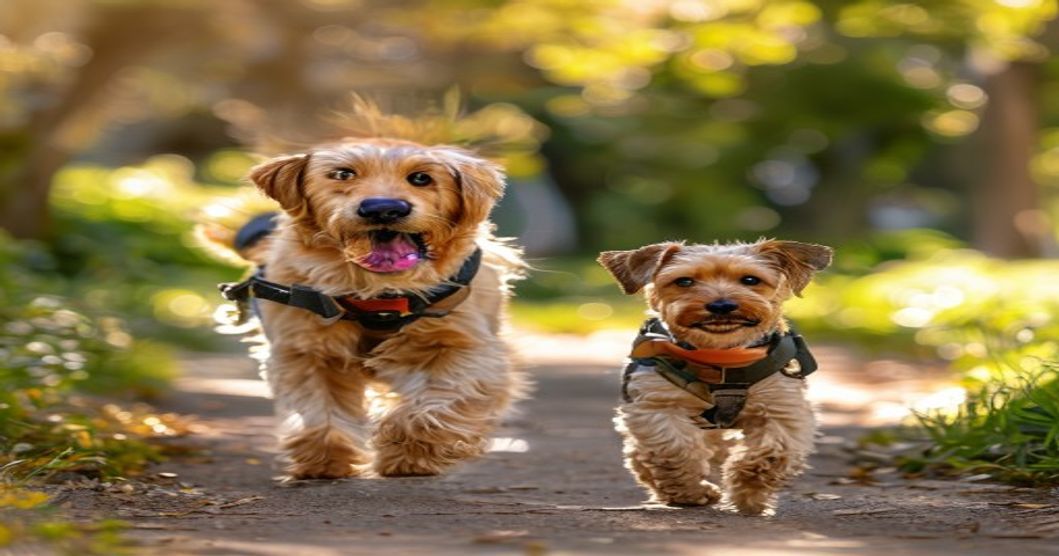
Best Dog Harness for Your Pup: A Complete Guide to Choosing the Right Fit
After walking dogs of various sizes—from large Shepherds to small Chihuahuas—I’ve learned that the right harness can be the difference between a pleasant stroll and a challenging walk. A good harness doesn’t just keep your dog secure; it distributes pressure evenly, prevents neck strain, and gives you control without causing discomfort. Whether your pup is a leash-puller, a senior with joint issues, or an escape artist, the harness you choose matters more than most pet owners realize.
Top Picks: Best Dog Harnesses by Type
Top Pick
If your dog pulls hard on the leash, a front-clip harness redirects that energy toward you instead of forward, improving control without neck strain. Perfect for strong pullers, enthusiastic dogs, and anyone who wants a safer walking experience.
Explore Options →
Great for Relaxed Walkers
Back-clip designs distribute weight across the chest and shoulders, making them ideal for older dogs with arthritis, smaller breeds, or pups who don’t pull. They’re gentler and easier to put on, though they offer less control for strong pullers.
Premium Pick
With both front and back clips, you can switch based on your needs: use the front clip for pulls and the back clip for calm walking. It’s the most flexible option, though typically more expensive than single-clip alternatives.
Understanding Harness Types and Why They Matter
Not all harnesses work the same way, and choosing the wrong type can undermine your training efforts and your dog’s comfort. Let me break down the main categories:
Front-Clip (No-Pull) Harnesses
A front-clip harness has the leash attachment point on the dog’s chest. When your dog pulls, the harness automatically turns them toward you—it’s a physics principle, not punishment. This design is beneficial for pullers because it doesn’t rely on choking or pain to discourage pulling. Many dogs become more manageable with a good front-clip harness. The key is ensuring the clip sits between the front legs, not off to the side.
Back-Clip Harnesses
These clip on the back, distributing pressure across the shoulders and chest. They’re gentler overall and great for dogs who walk calmly. However, they don’t discourage pulling—if anything, they allow a pulling dog to use their full strength. Back-clip harnesses are often more comfortable for shorter walks and are easier to put on quickly, especially on wiggly pups. They work well for dogs that don’t pull and appreciate the even weight distribution.
Dual-Clip Harnesses
The Swiss Army knife of dog harnesses—they have both a front and back clip. This flexibility is useful if you have a dog whose behavior varies, or if you’re still training. You can switch clips mid-walk if needed. The trade-off is weight and sometimes bulk, plus they’re usually pricier.
Key Harness Features to Evaluate
| Feature | Why It Matters | What to Look For |
|---|---|---|
| Padding & Material | Prevents chafing and discomfort during extended walks | Soft neoprene, mesh lining, breathable fabric |
| Adjustability | Ensures proper fit as your dog grows or changes | Multiple adjustment points, clear size ranges |
| Escape-Proof Design | Keeps anxious or clever dogs secure | Straps that cross the back, no loose gaps |
| Durability | A harness that falls apart defeats the purpose | Heavy-duty stitching, quality buckles, machine-washable options |
| Handle (Optional) | Helpful for assisting older dogs, controlling in crowds | Reinforced stitching, positioned on the back |
Pros and Cons of Harnesses vs. Other Options
- No pressure on the neck or throat
- Better control, especially for strong pullers
- Distributes force evenly across the body
- Less risk of tracheal collapse in small breeds
- Easier to manage anxious or reactive dogs
- Works well for senior dogs with joint problems
- Can be bulkier than a collar
- Takes longer to put on than a collar
- Some dogs find them restrictive initially
- Quality harnesses can be more expensive
- Back-clip harnesses don’t prevent pulling
- Poor fit can cause chafing
Choosing the Right Harness for Your Dog’s Needs
The best harness depends on your dog’s behavior, size, age, and walking style. Here’s how to match your pup to the right type:
For Pullers and Strong Dogs
Go with a front-clip harness. The physics of the design means your dog’s pulling force gets redirected, turning them toward you instead of letting them forge ahead. This works for dogs of all sizes but is especially valuable for large, strong breeds. Many owners find that strong dogs become manageable companions in a front-clip harness.
For Small or Toy Breeds
A back-clip harness or a lightweight front-clip is ideal. Small dogs are prone to tracheal collapse, so taking pressure off the neck is crucial. Look for harnesses specifically designed for tiny dogs—they’ll fit better and be more comfortable. Some small breeds also wear harnesses for identification purposes or to prevent escape in crowded areas.
For Senior Dogs
A padded back-clip harness with a handle is ideal. As dogs age, they often develop arthritis or other joint issues. A harness that spreads pressure across the chest and shoulders is gentler than a collar. The handle is beneficial—it lets you help your older pup up stairs or into the car without putting strain on their joints.
For Escape Artists
Look for a harness with a secure, escape-proof design—typically one with straps that cross over the back and multiple adjustment points. Some dogs are skilled at escaping and will slip out of loose designs. Check customer reviews specifically for comments about escape-proof design, and make sure you can fit only one finger between the harness and your dog’s body when it’s adjusted.
Fitting Your Dog’s Harness Correctly
A perfectly-designed harness that’s fitted poorly defeats its purpose. Here’s how to get the fit right:
- Measure first: Use a soft measuring tape to measure your dog’s chest and neck girth. Most harnesses come with size charts—use them.
- Check the finger rule: When adjusted, you should be able to fit one to two fingers under the straps. Too loose and your dog escapes; too tight and it restricts movement and causes chafing.
- Watch for chafing points: Especially at the armpits and where straps cross. Redness or hair loss after short walks means the fit is wrong or the padding is inadequate.
- Test the motion: Your dog should be able to walk, run, and sit comfortably. If they’re moving stiffly or constantly fidgeting, the harness is restricting them.
- Re-fit seasonally: As your dog sheds or gains weight with the seasons, check the fit again. A harness that fit properly in one season might need adjustment in another.
Harness Materials: What Actually Holds Up
The material of a harness affects comfort, durability, and ease of cleaning. Here are common options:
Neoprene: Soft, padded, and water-resistant. Great for dogs that swim or live in rainy climates. Usually machine-washable, which is convenient.
Mesh & Breathable Fabrics: Ideal for warm climates or dogs that get hot easily. They dry quickly but may chafe if not padded underneath.
Heavy-Duty Nylon: Durable and long-lasting, but can be stiff and uncomfortable if not padded. Often used in working dog harnesses.
Reflective Materials: If you walk at dawn or dusk, a harness with reflective stitching or trim increases visibility to vehicles.
Harnesses and Training: Working Together
A harness is a tool, not a training method. It can make walks easier and safer, but it won’t teach your dog not to pull on its own. That said, a front-clip harness makes training much more manageable. When your dog learns that pulling doesn’t move them forward and actually turns them toward you, they gradually pull less because the behavior stops being rewarding.
Pair your harness with patience and consistency. Reward your dog when they walk with slack in the leash. Don’t jerk or yank, even with a harness—it defeats the purpose. Over time, your dog will learn that calm walking is what gets them where they want to go.
Budget Considerations: Cheap vs. Quality
You’ll find harnesses at various price points. A budget option might work for a calm dog on short walks, but if you have a puller, a senior dog with health issues, or you walk daily in challenging conditions, a mid-to-premium harness will provide better durability and features. Quality matters, especially for frequent use.
Look for reviews that mention longevity. A harness that falls apart after a few months is wasted money. Mid-range quality harnesses from reputable brands usually offer the best balance of durability, comfort, and cost. Also check return policies—if your harness doesn’t fit right, you want to be able to exchange it.
Additional Gear: Harnesses and Other Tools
A harness pairs well with other walking accessories. If you want additional visibility into your dog’s safety and well-being while you’re apart, consider checking out Best Pet Camera for Your Home: A Complete Guide for Pet Owners to monitor your pup indoors.
You might also want to pair your harness with a no-pull training lead (shorter, specifically designed to discourage pulling by limiting forward movement) or a retractable leash if your dog walks calmly. However, the harness itself is your foundation for safe, comfortable walks.
Seasonal Harness Care
A harness that’s well cared for lasts longer and stays comfortable:
- Clean regularly: Wipe down after muddy walks, wash as directed (many are machine-washable on gentle cycle).
- Dry thoroughly: Damp harnesses can develop odor or mildew. Air-dry in the sun if possible—sunlight naturally helps with sanitization.
- Check for wear: Inspect stitching, buckles, and clips periodically. Replace if anything is fraying or loose.
- Store safely: Keep in a dry place away from direct sunlight, which can degrade materials over time.
The best dog harness for your pup depends on their size, behavior, and walking needs. For most dogs—especially pullers—a well-padded front-clip harness offers the best balance of control, comfort, and safety. It prevents neck strain, gives you better command, and works without pain or fear. Invest in a quality harness from a reputable brand, fit it properly, and pair it with consistent training. Your walks will be safer, more enjoyable, and your dog’s long-term neck and joint health will benefit.
Explore Harness Options on Amazon →
Frequently Asked Questions
Q: Can I use a harness and collar together?
A: Yes, many people do. A collar with ID tags and a harness for control provides both identification security and safe walking. Just make sure neither is too tight.
Q: At what age should I put my puppy in a harness?
A: Once your puppy is old enough and has had initial vet checkups, a harness is fine. Use one specifically sized for puppies, and re-fit as they grow quickly.
Q: How long does a good harness last?
A: A quality harness can last several years with proper care, depending on use frequency and your dog’s size. Heavy daily use will wear it faster than occasional use.
Q: Are expensive harnesses worth it?
A: If you have a large, strong dog or use the harness daily, a higher-quality option typically offers better padding, durability, and features. For occasional use or calm dogs, a more budget-friendly option may be sufficient. Read reviews about longevity before deciding.